Export From Pakistan to the UAE
Himalayan pink salt, basmati rice, spices and bakhoor from Pakistan to the UAE — what each product needs to clear customs, which certificates apply, and what’s handled for you.
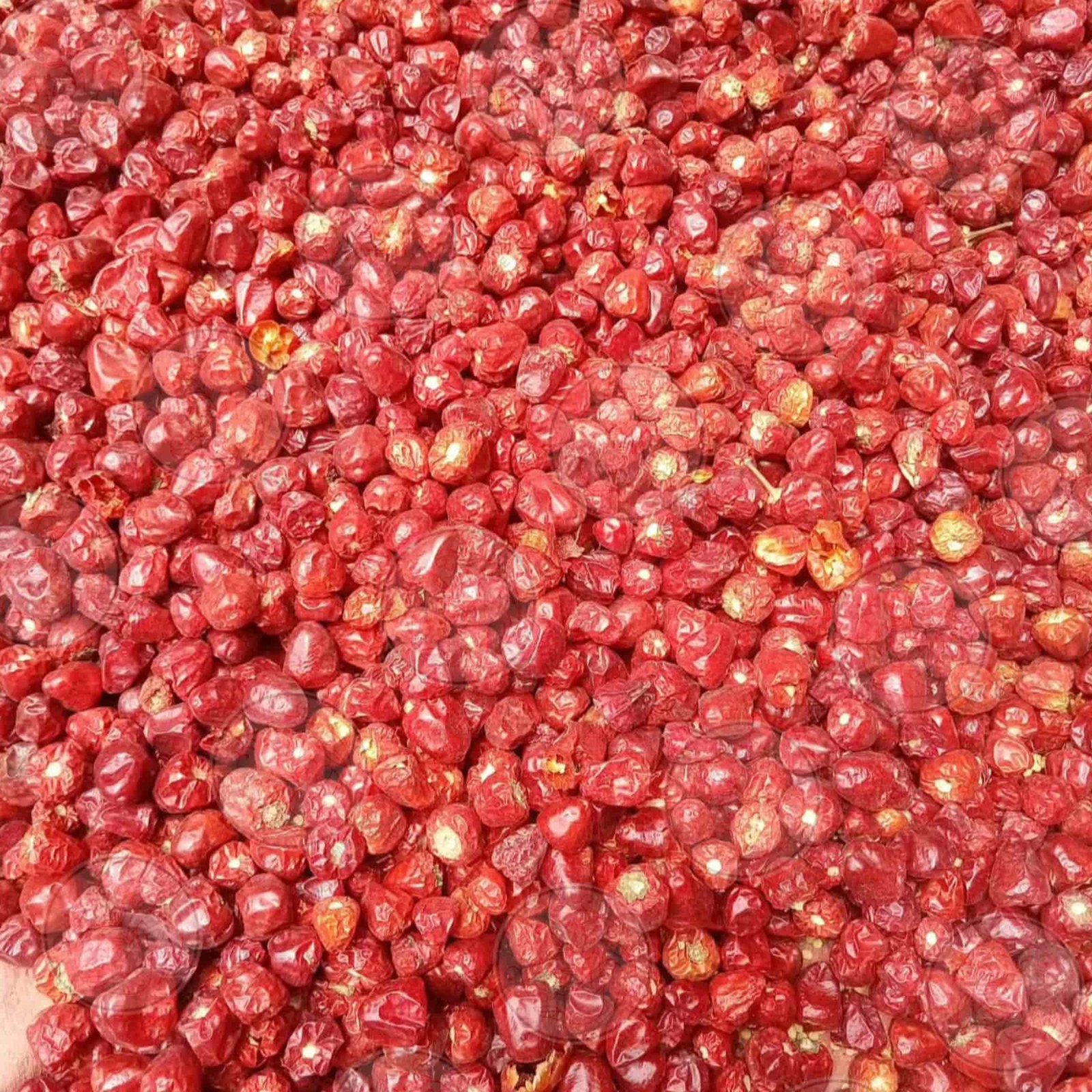
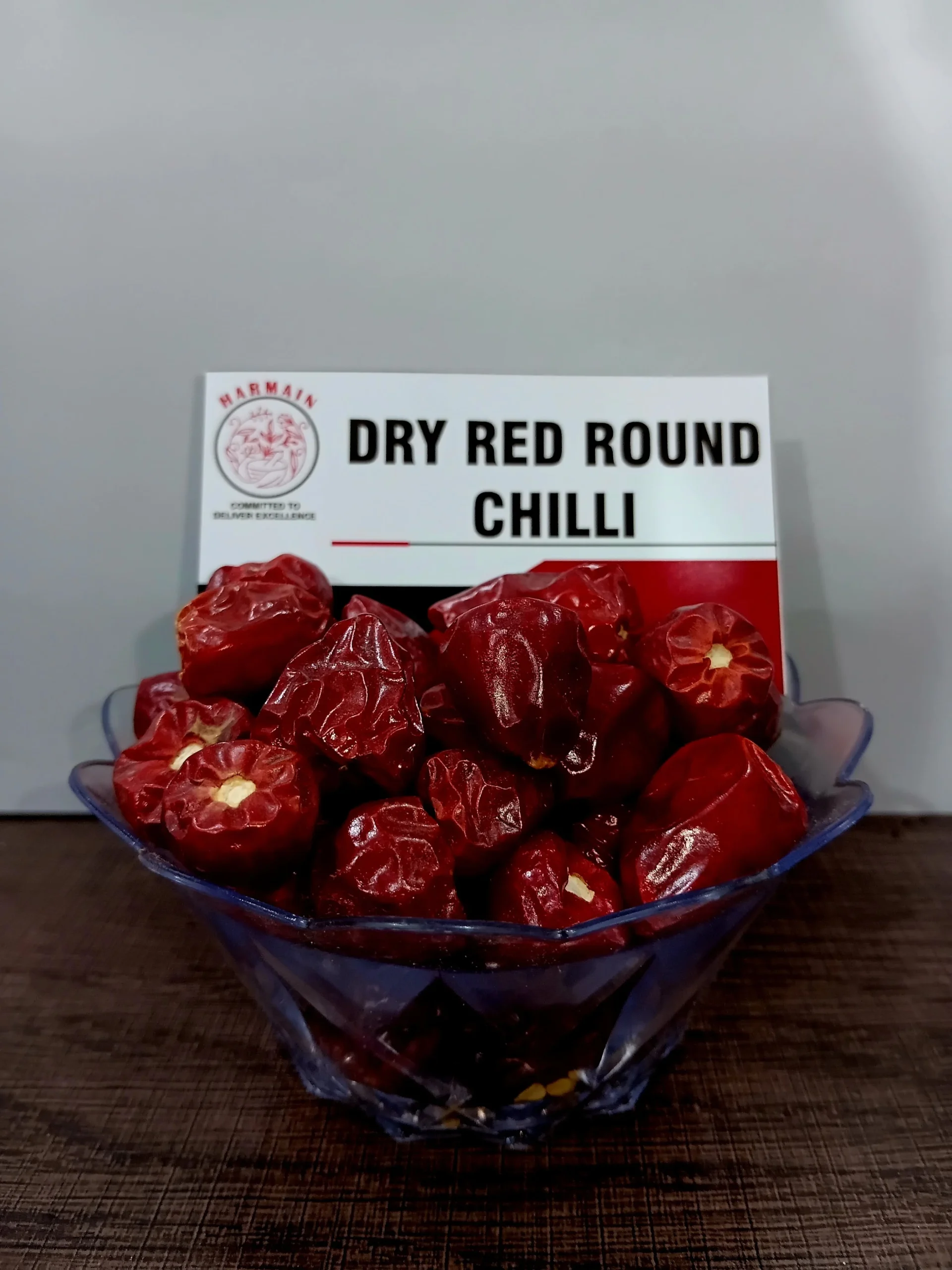
Pakistan supplies the UAE with Himalayan pink salt, basmati rice, dried spices, and natural resins — and the import pathway for each depends entirely on what it is, not just where it’s from. Spices and grains clear as plant-origin agricultural cargo. Salt, as a mineral, follows the UAE’s general food-standards track instead. Bakhoor sits apart from both — regulated as a perfumery product under UAE cosmetics and fragrance law, with its own registration scheme entirely. Here’s what each path actually requires.

The Product Range

 Quick View

 Quick View
 Quick View
 Quick View
 Quick View
 Quick View
 Quick View

 Quick View
 Quick View
 Quick View
 Quick View
- Quick View
 Quick View
 Quick View
 Quick View

 Quick View

 Quick View
 Quick View
 Quick View
- Quick View
- Quick View
 Quick View
 Quick View
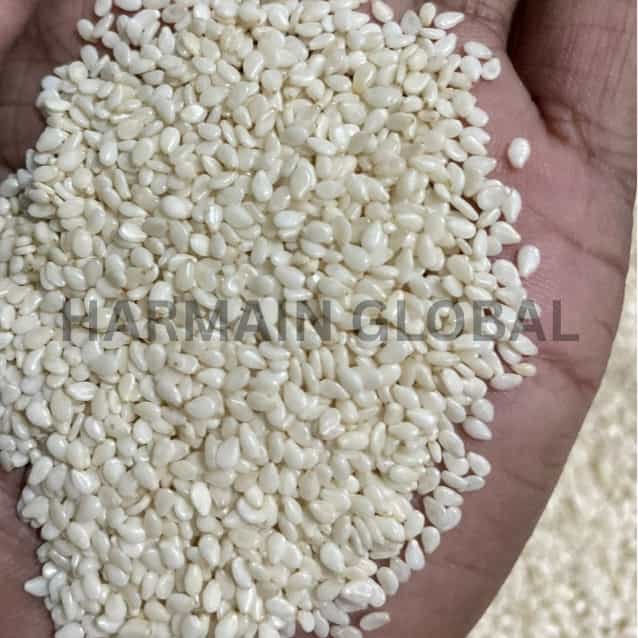
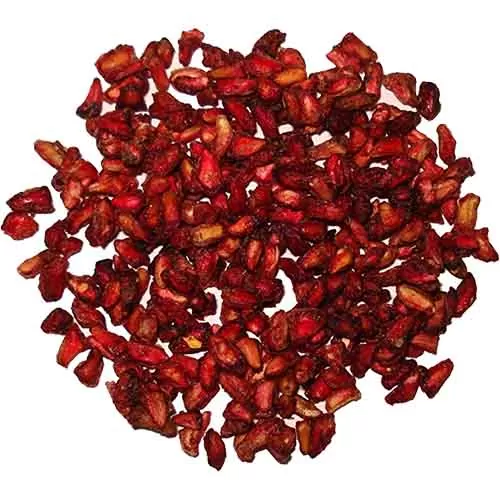
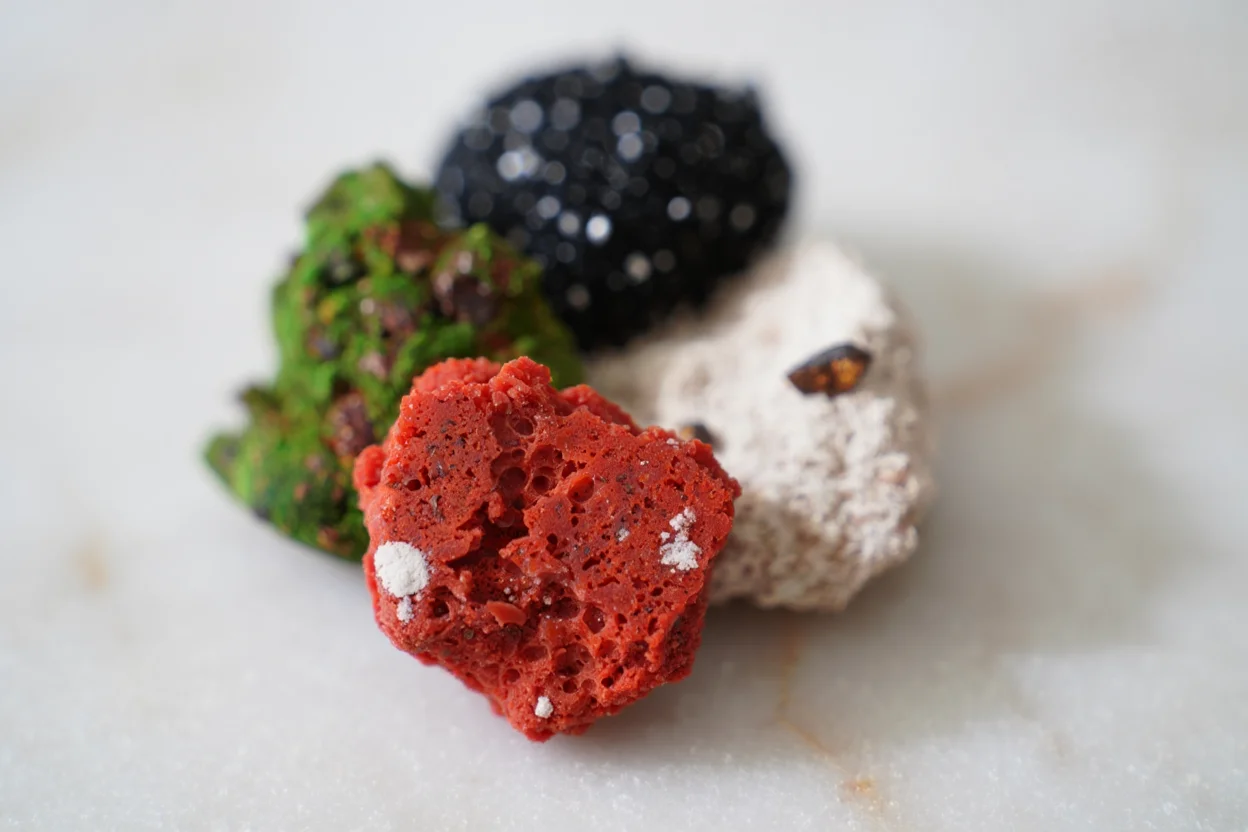
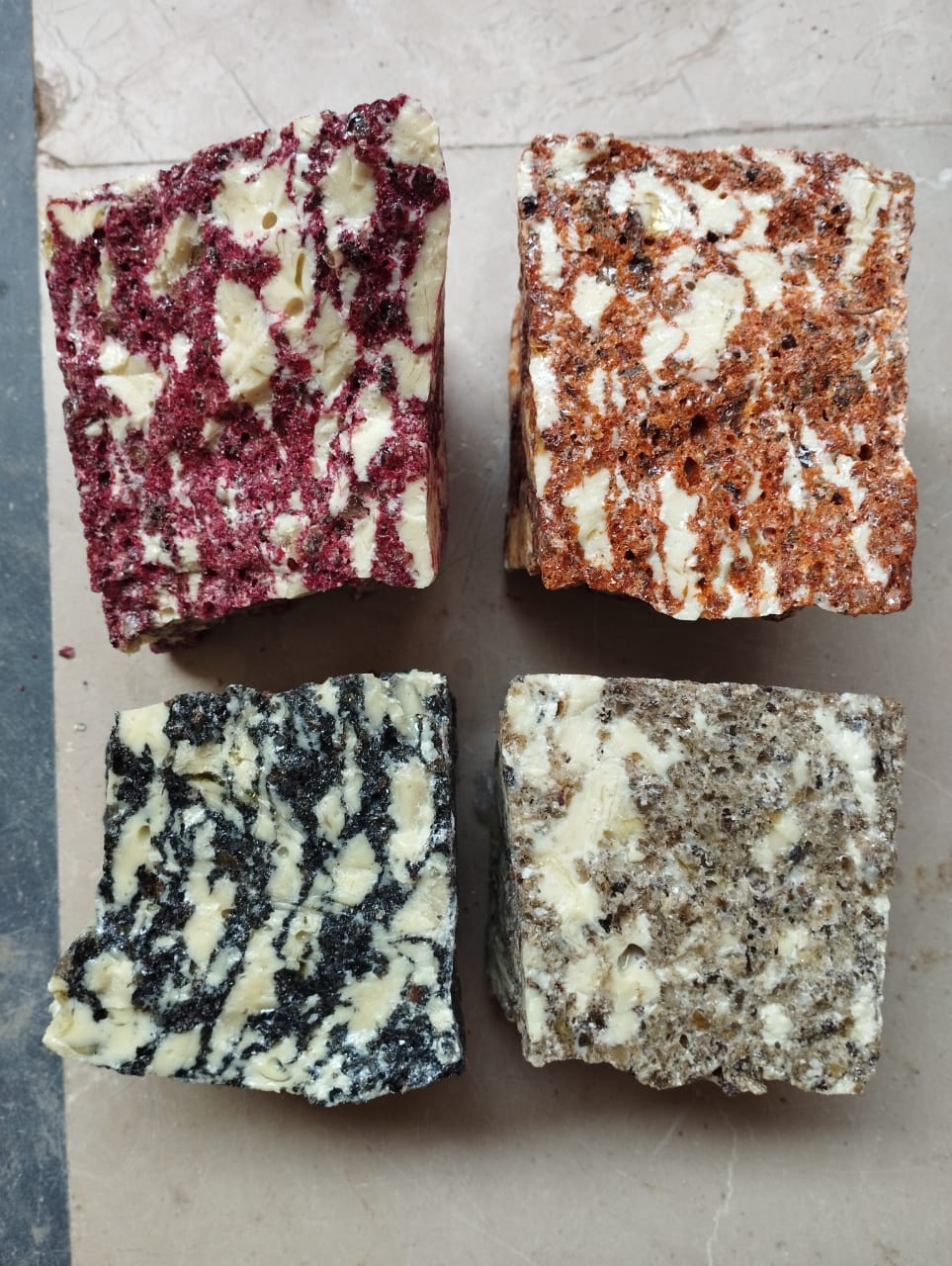
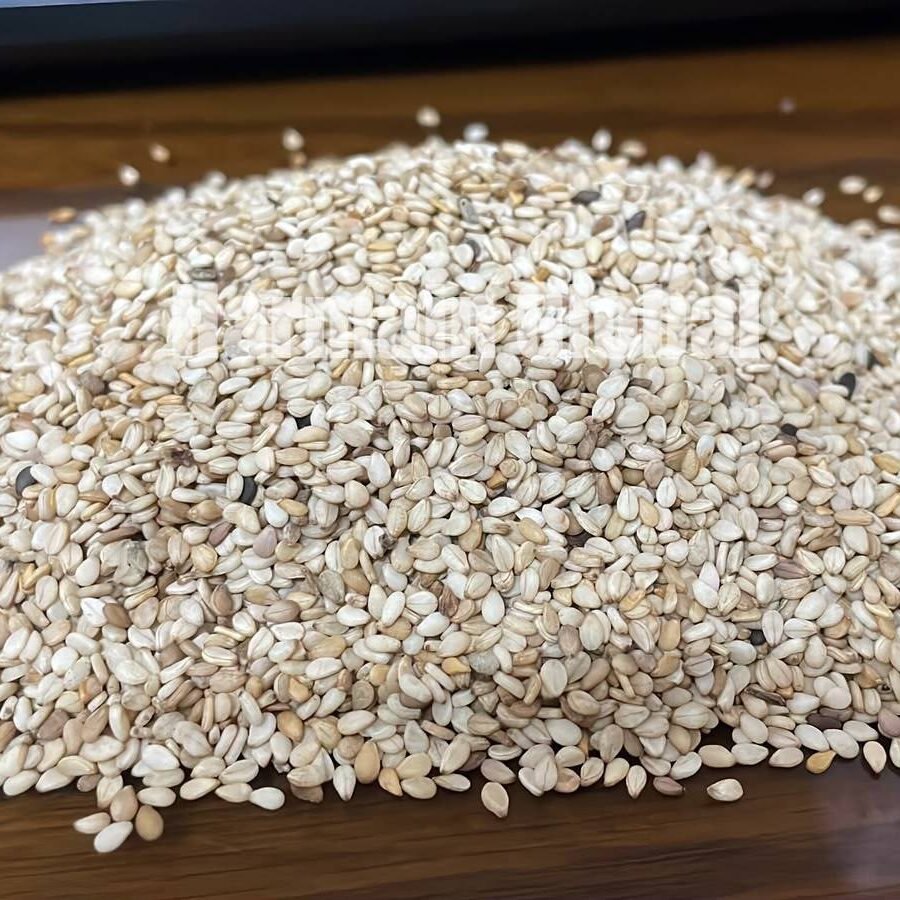
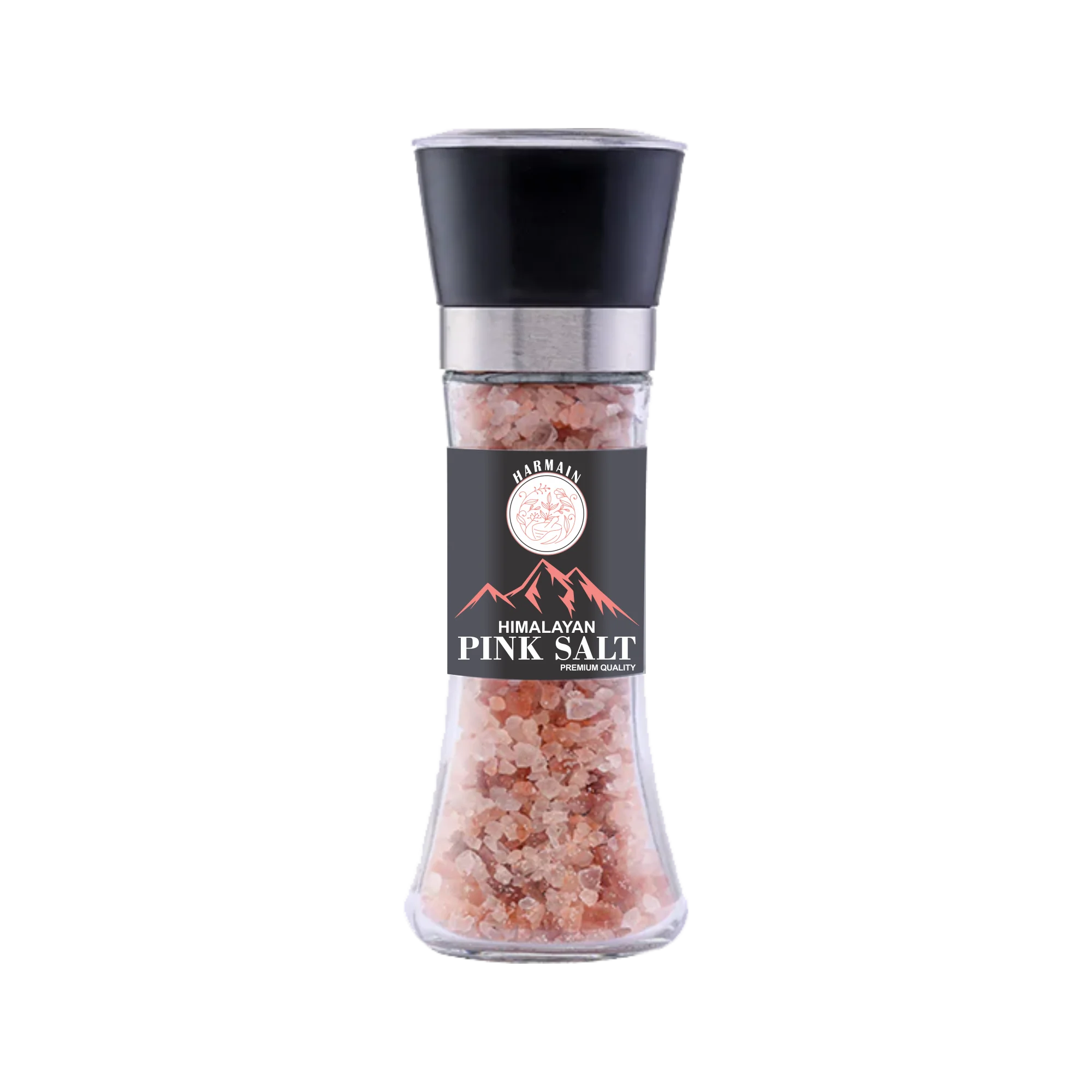
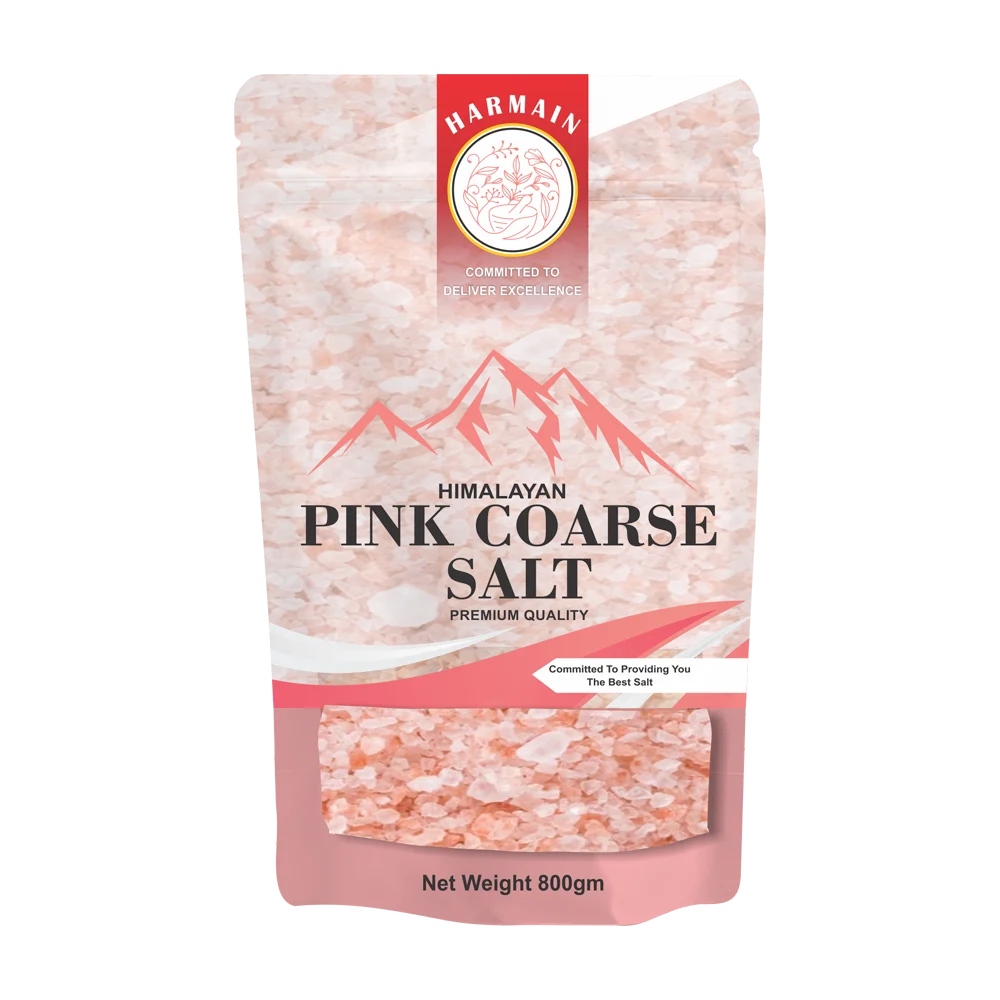
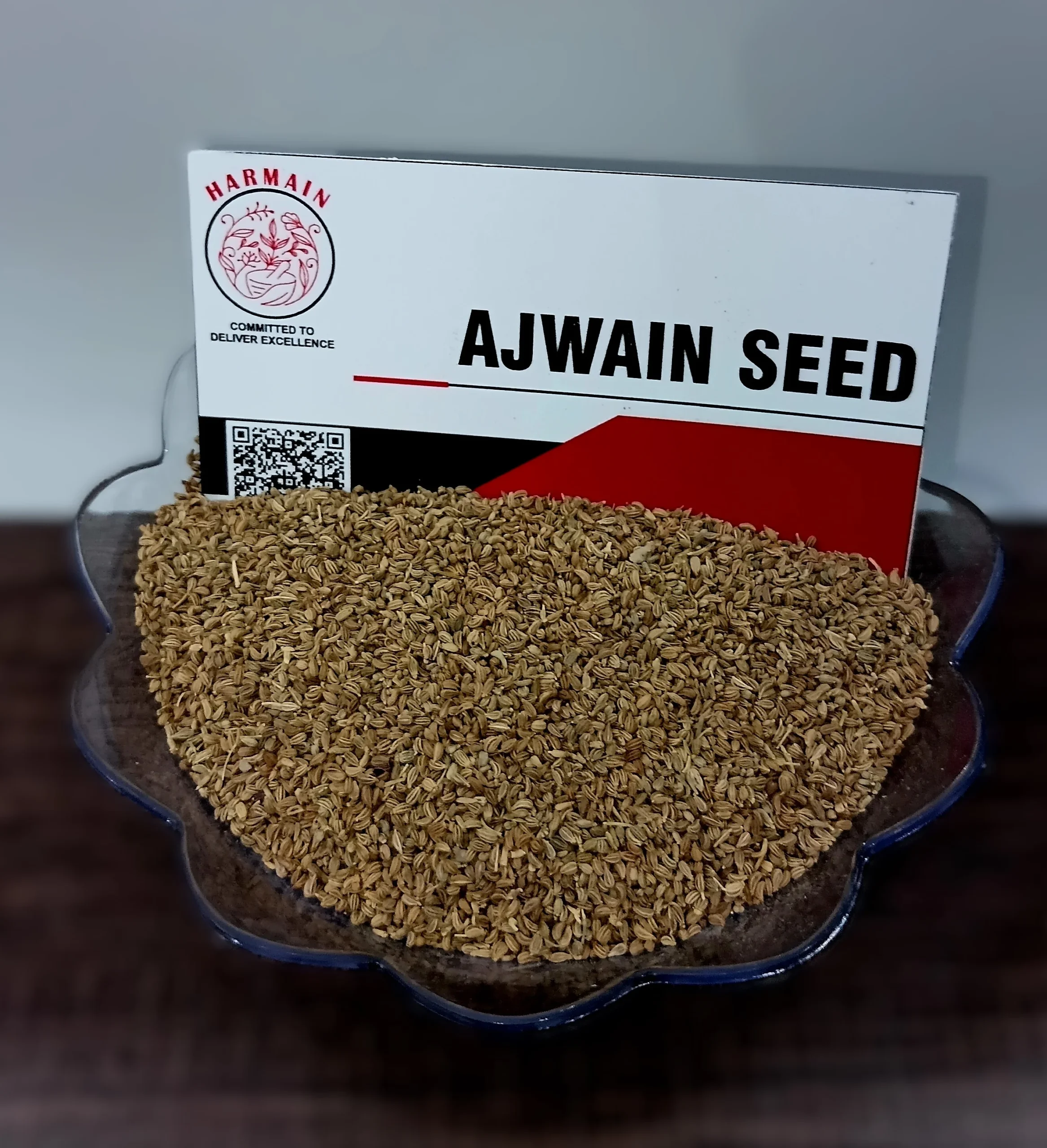
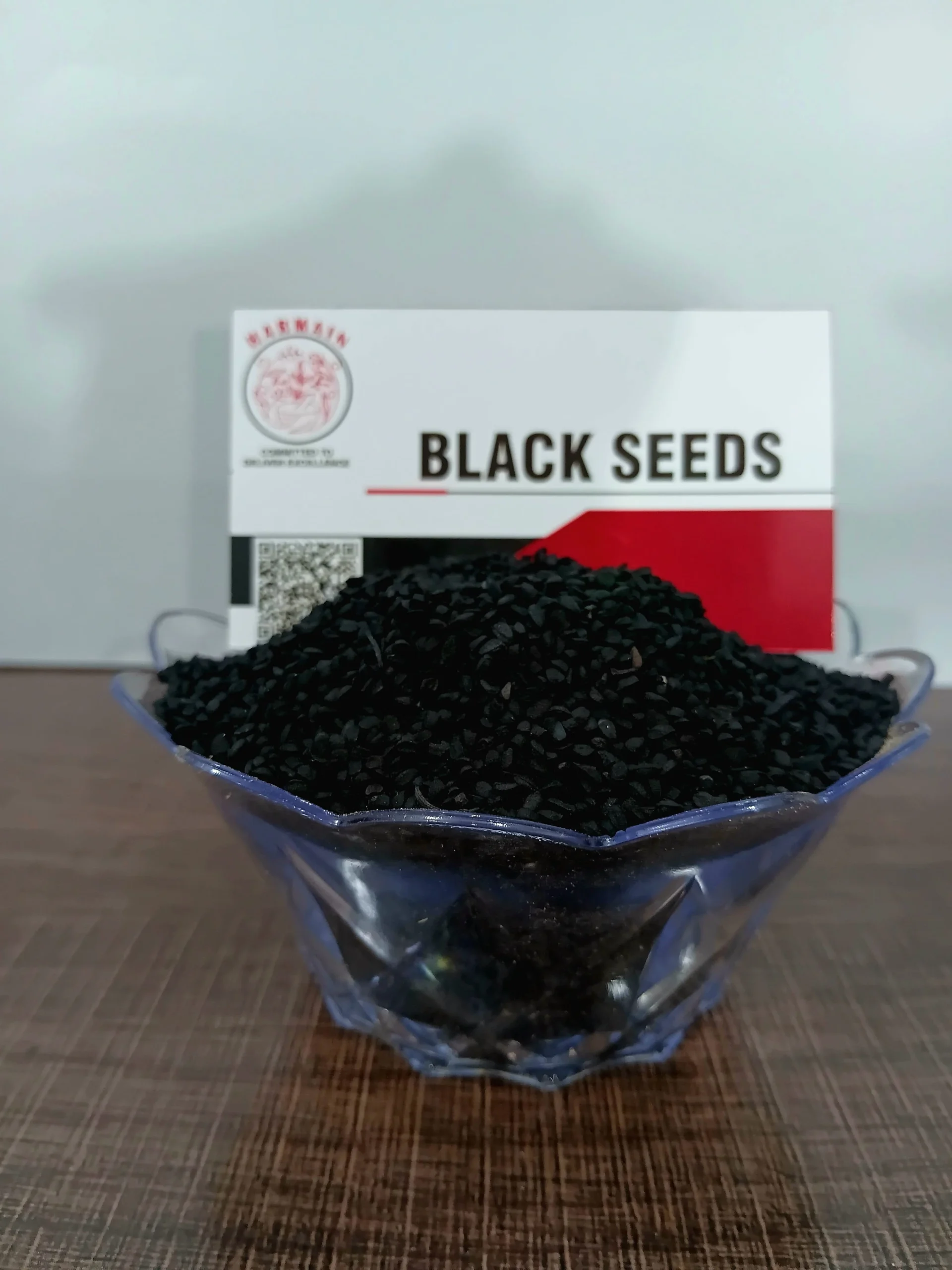

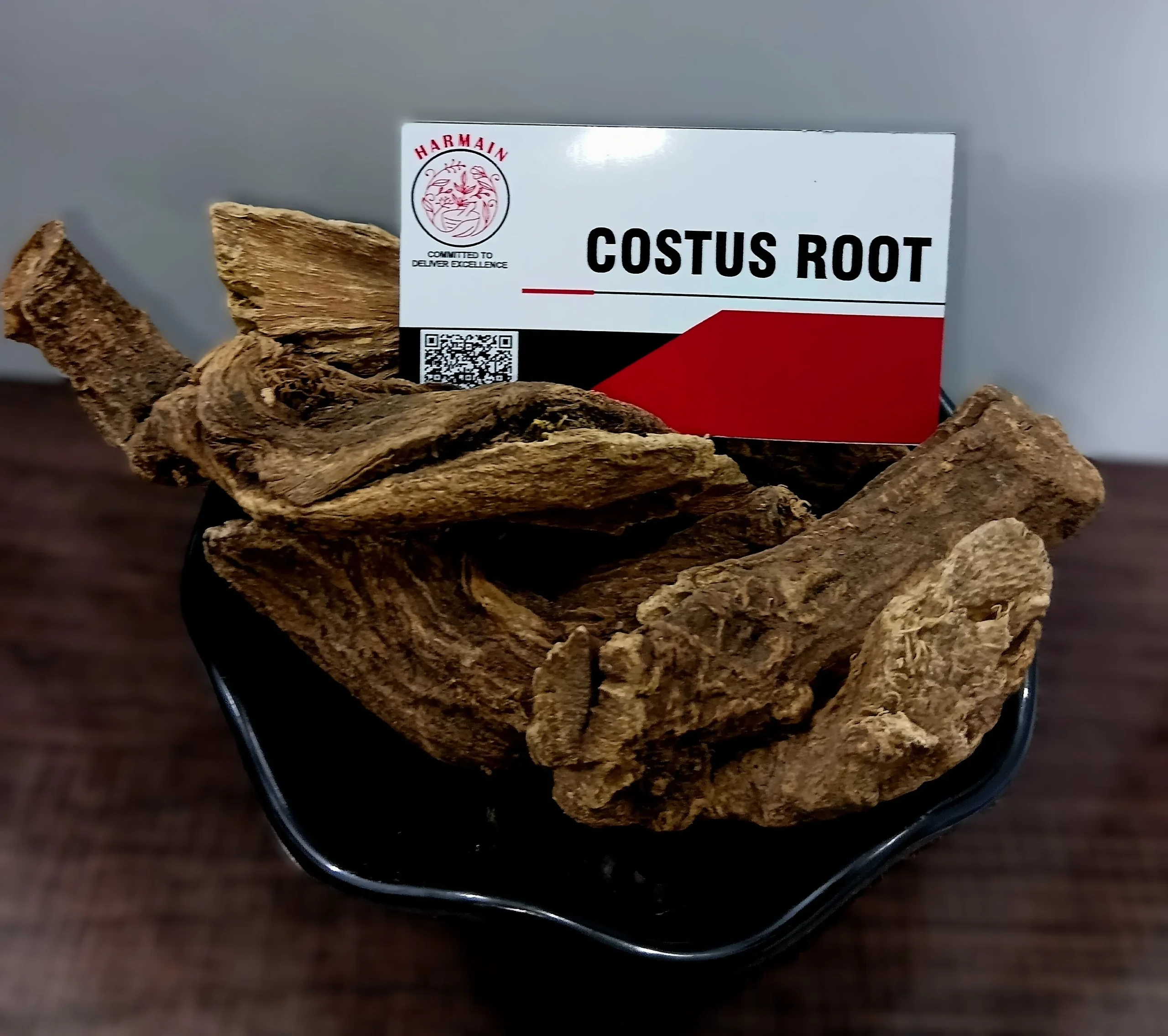
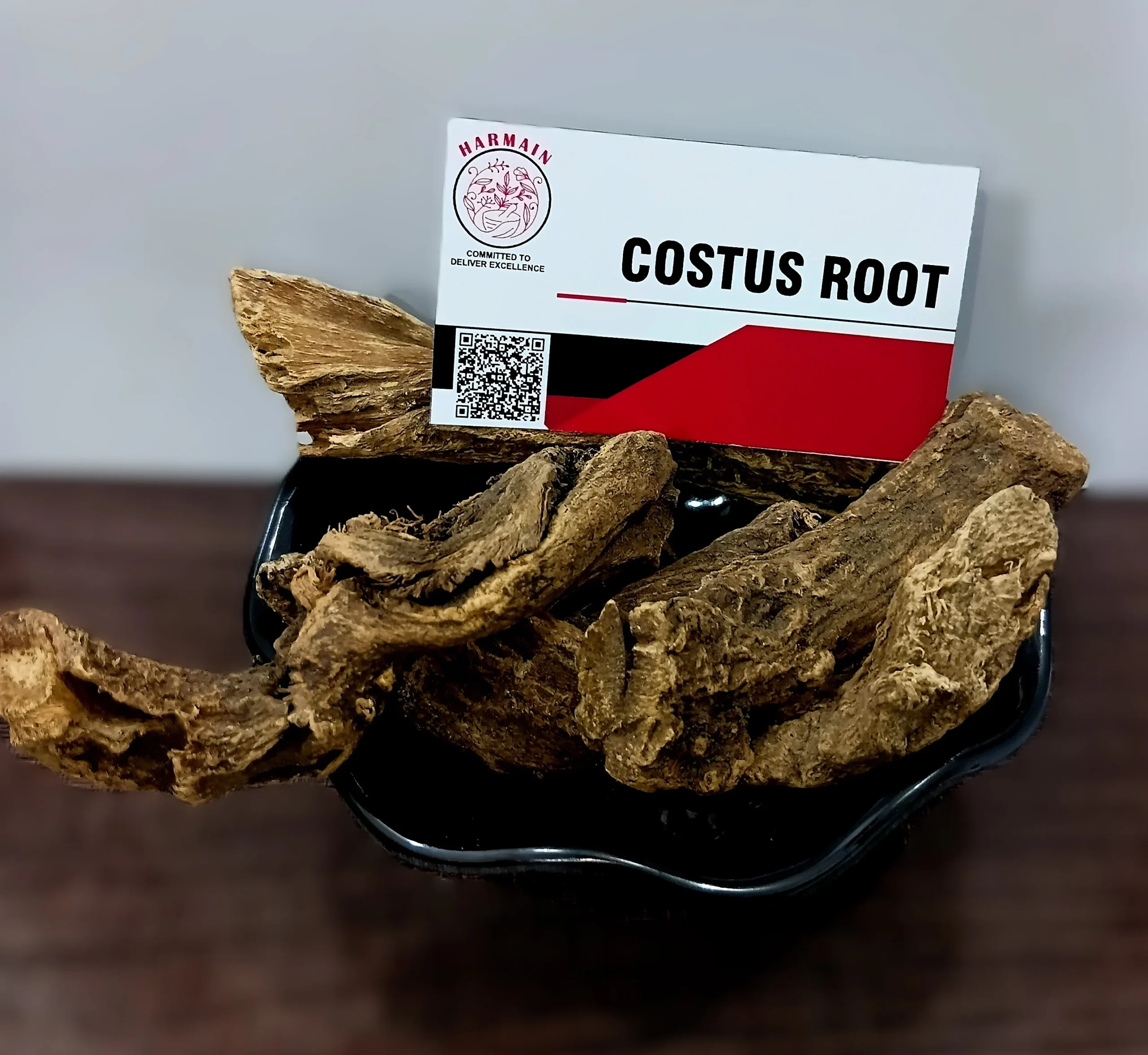
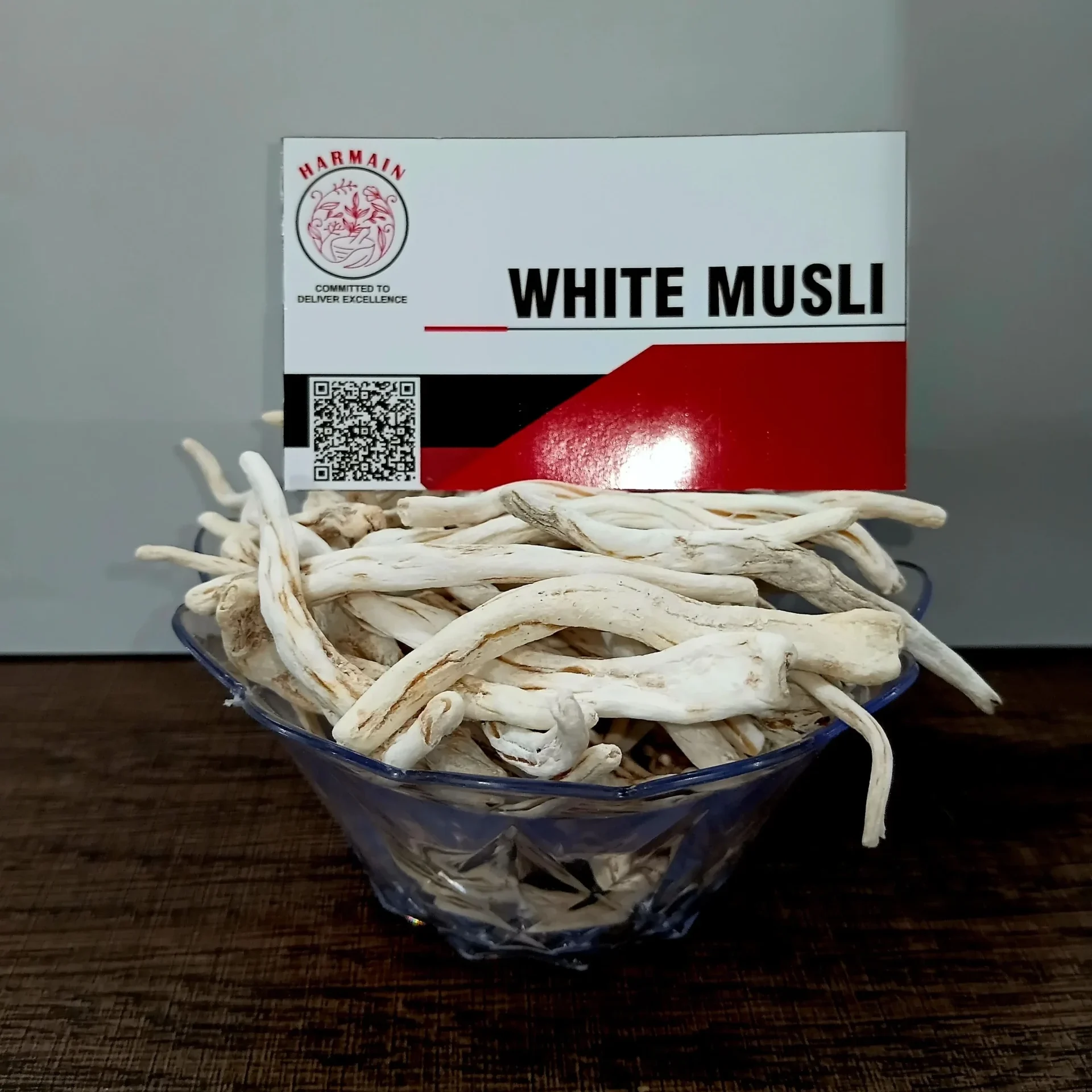
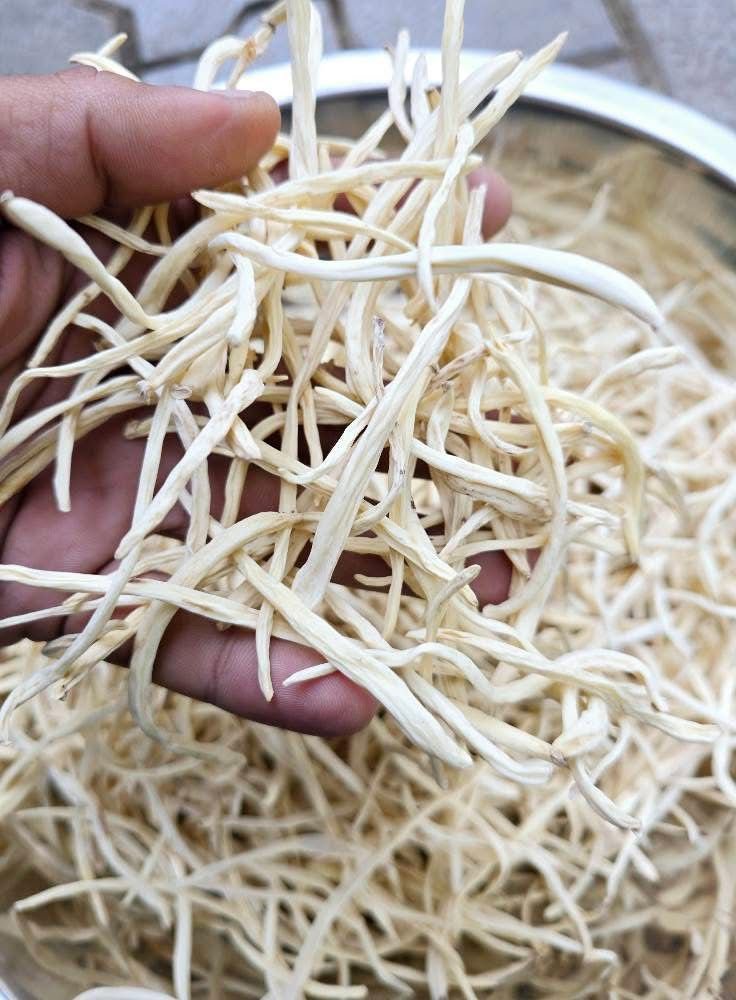
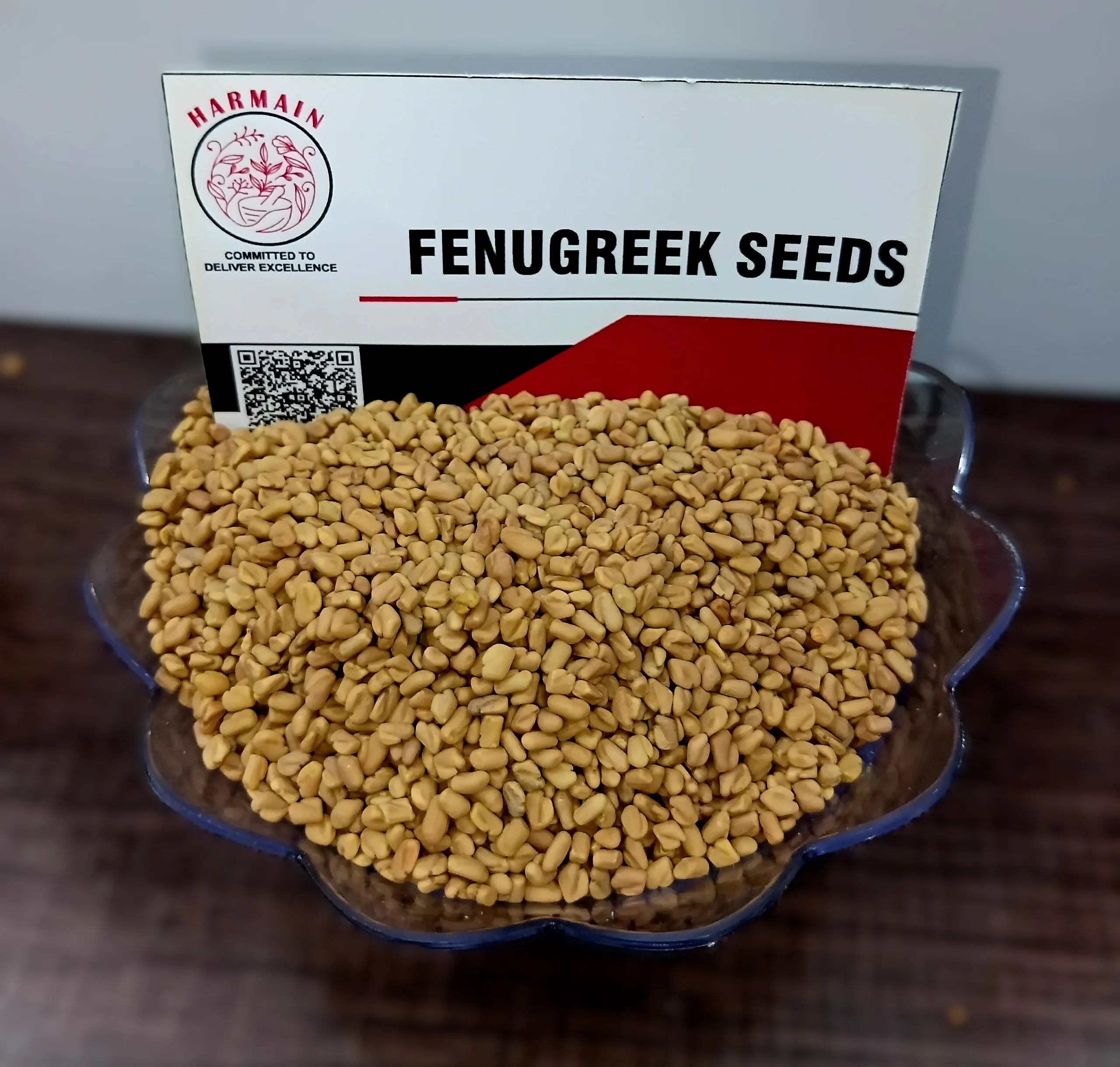
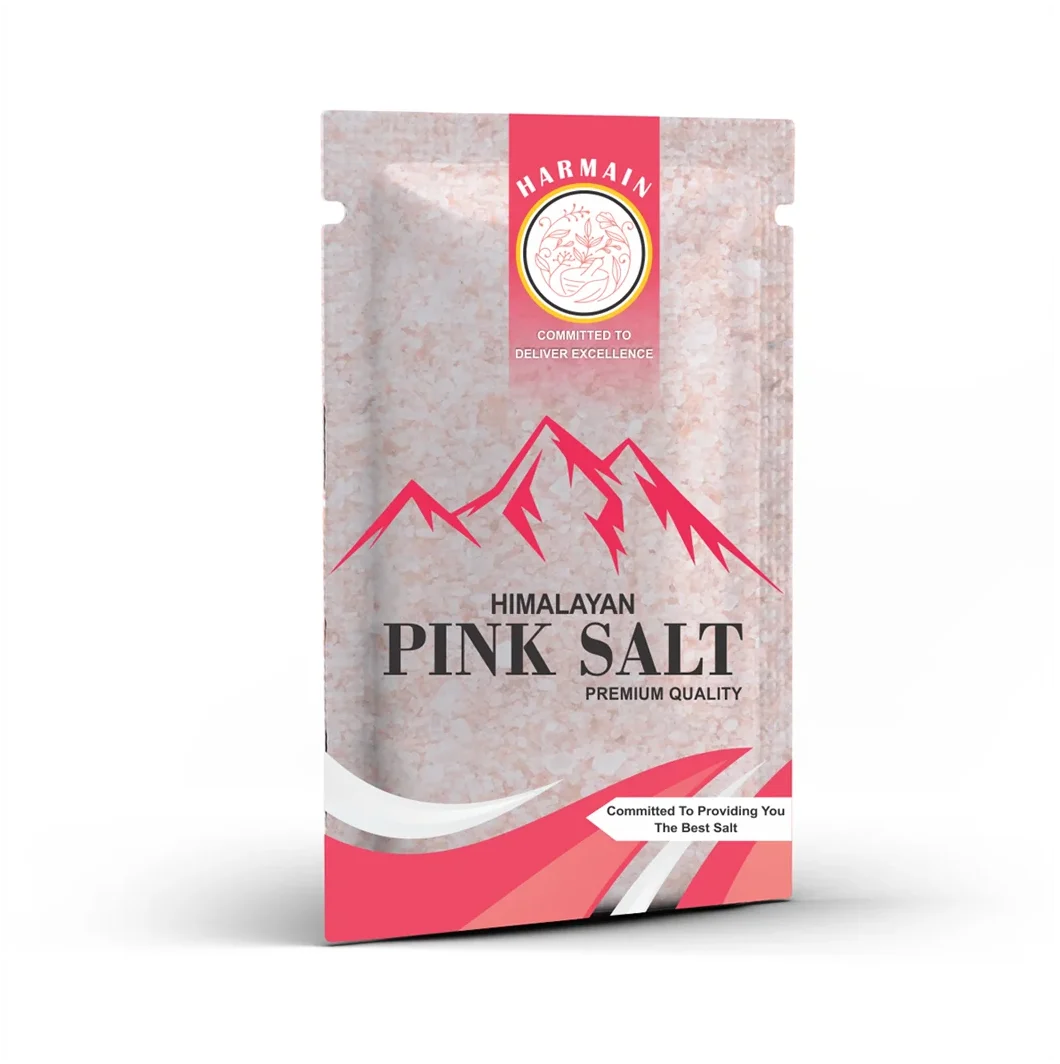
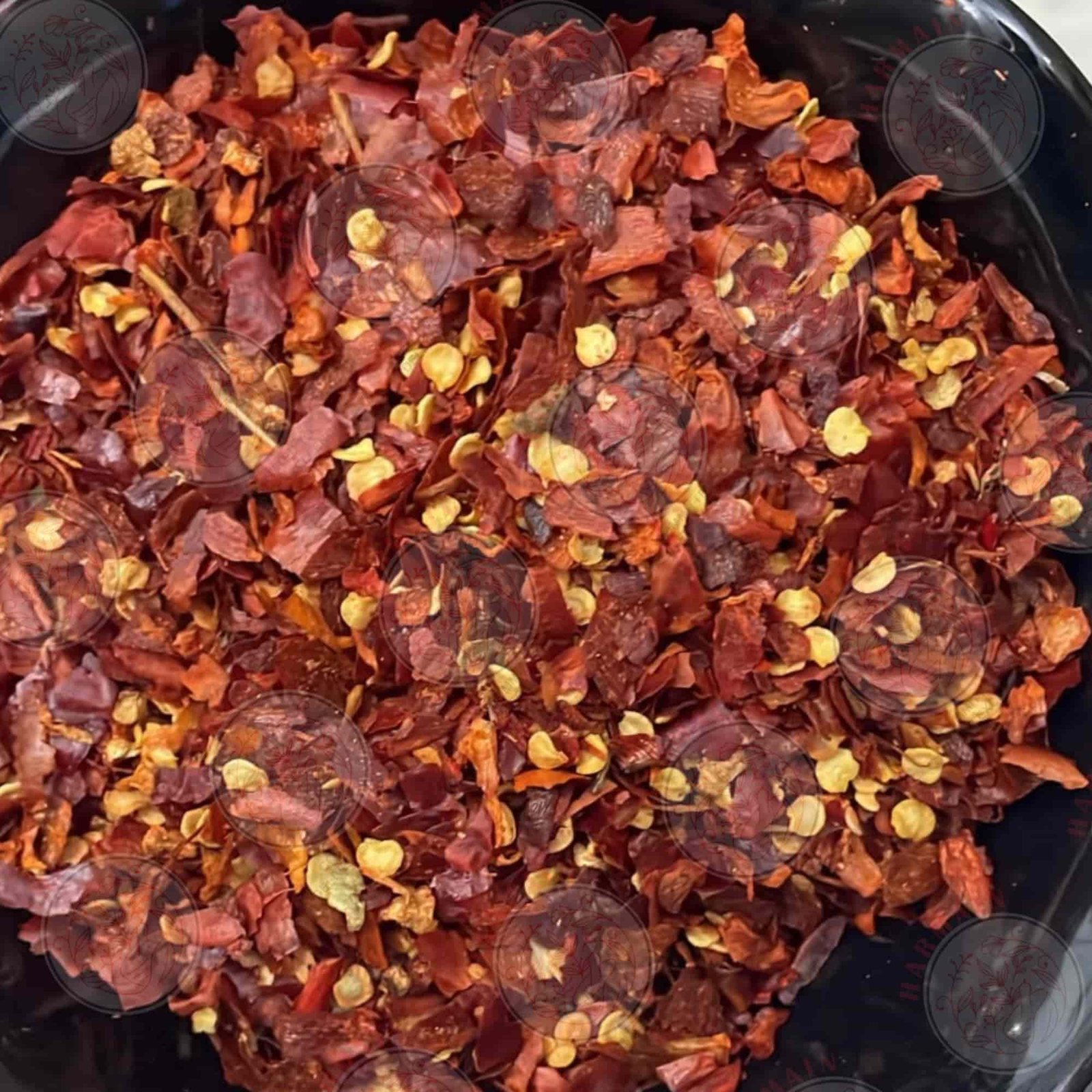


Three Different Import Paths
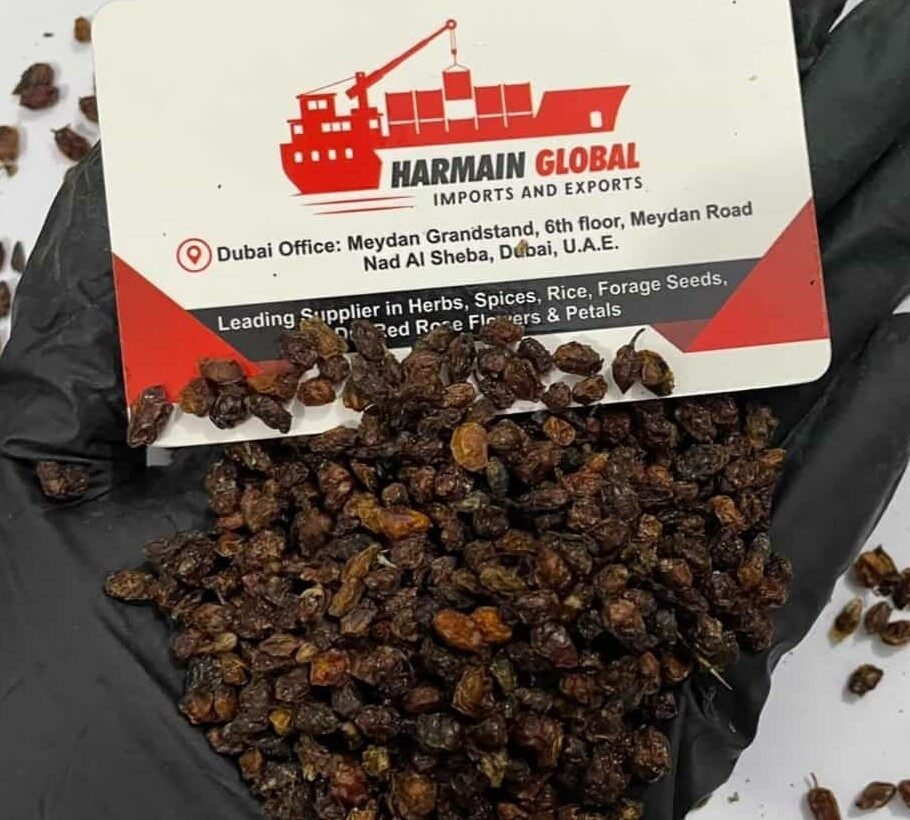
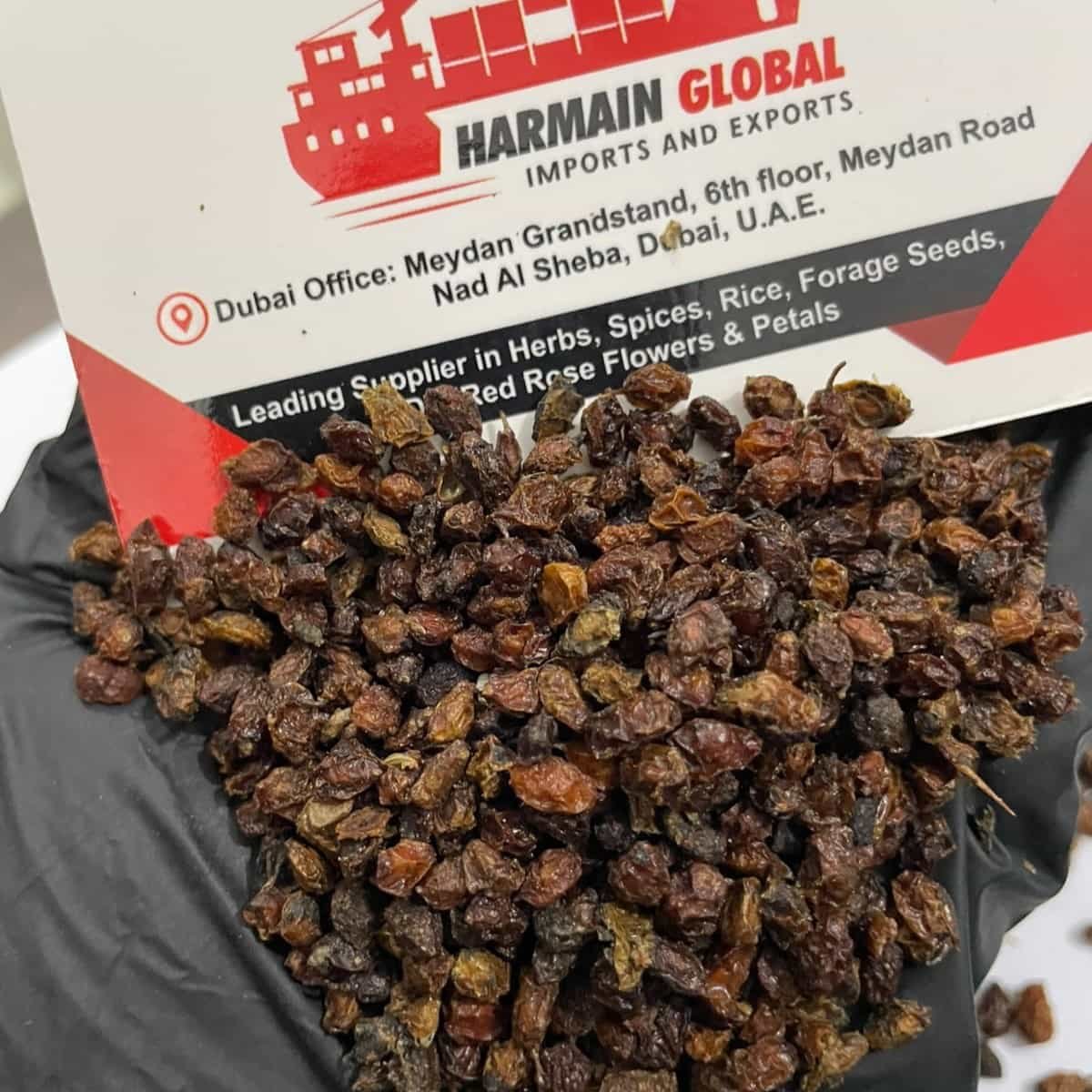
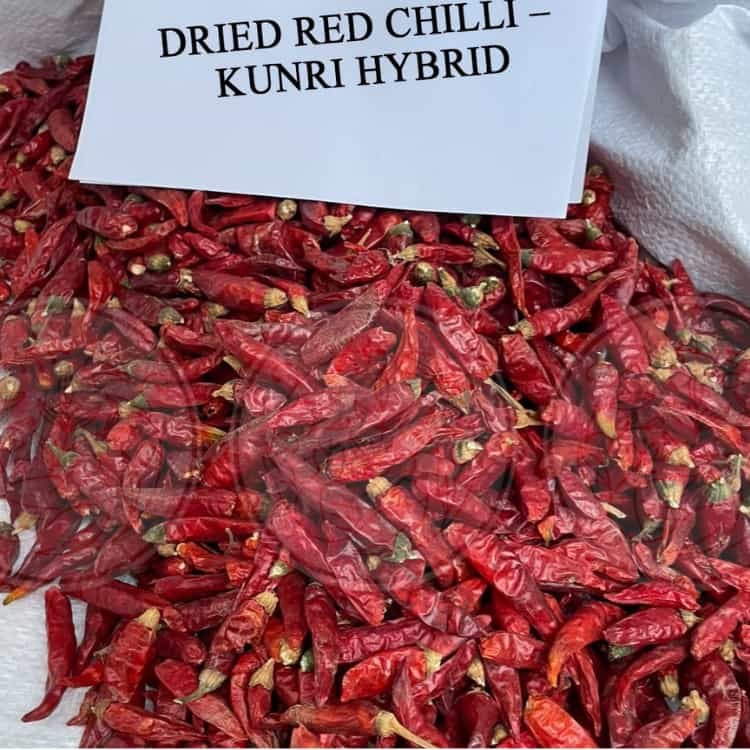
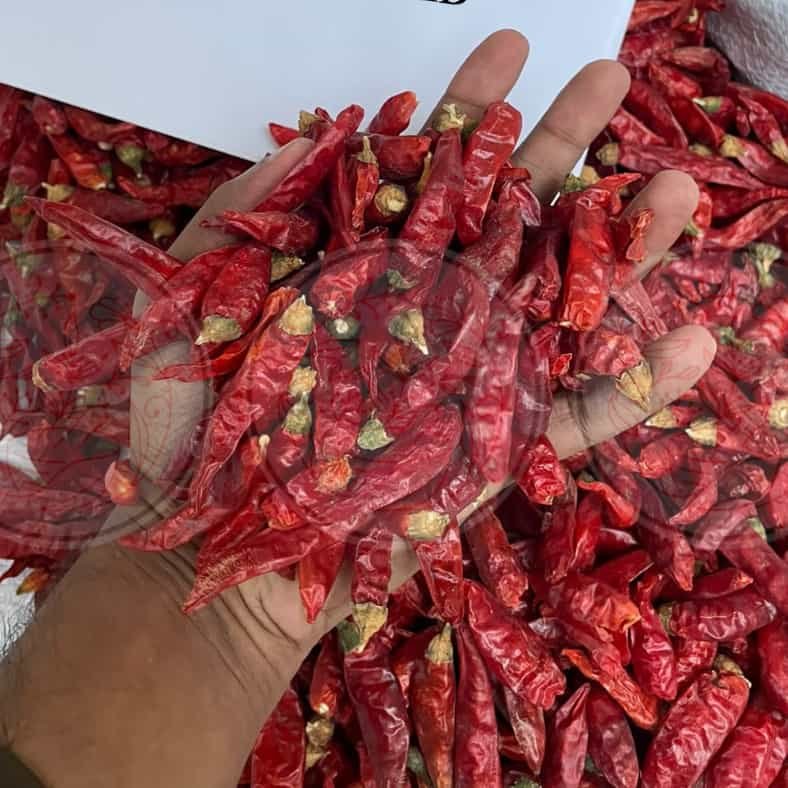
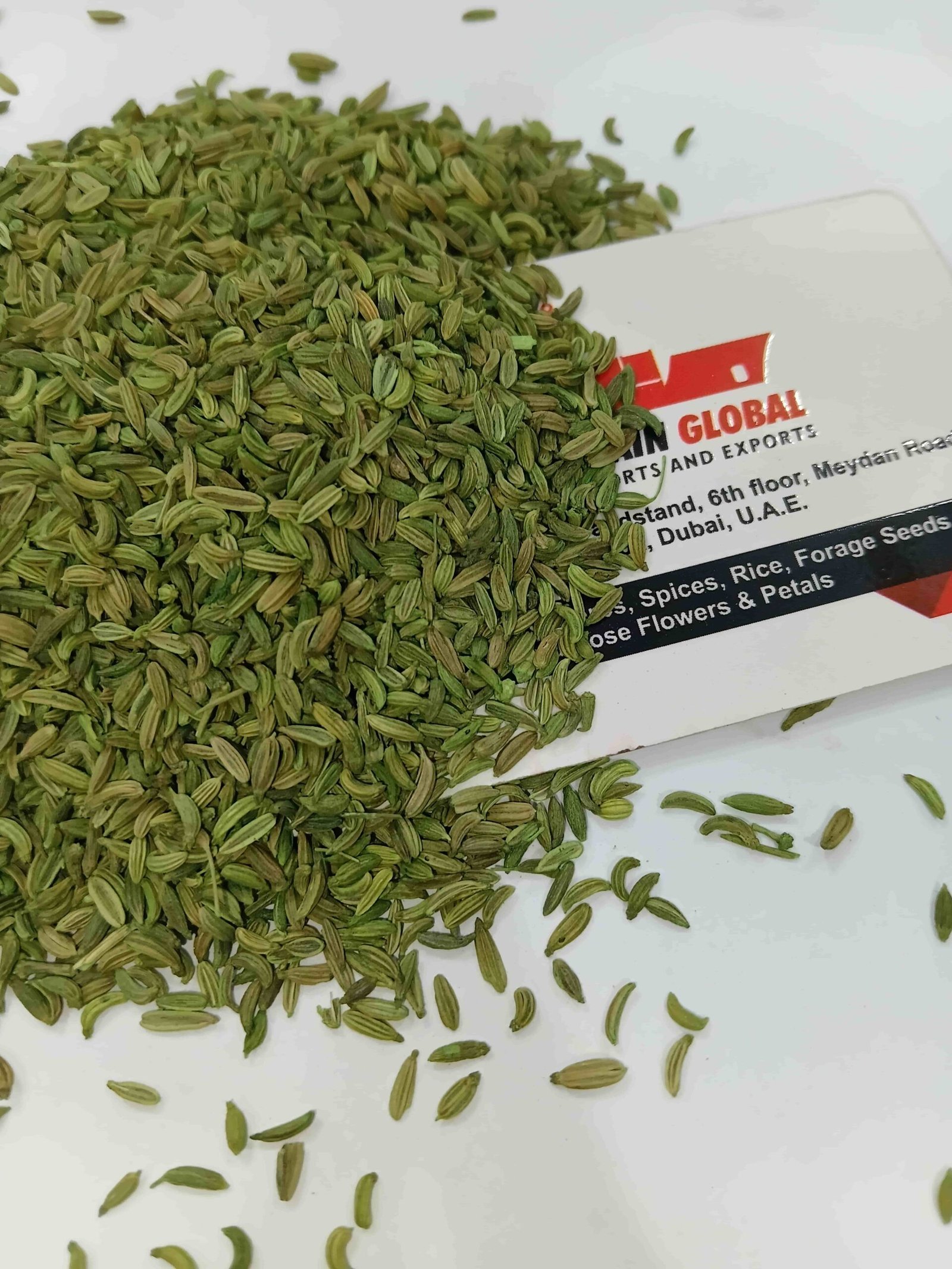
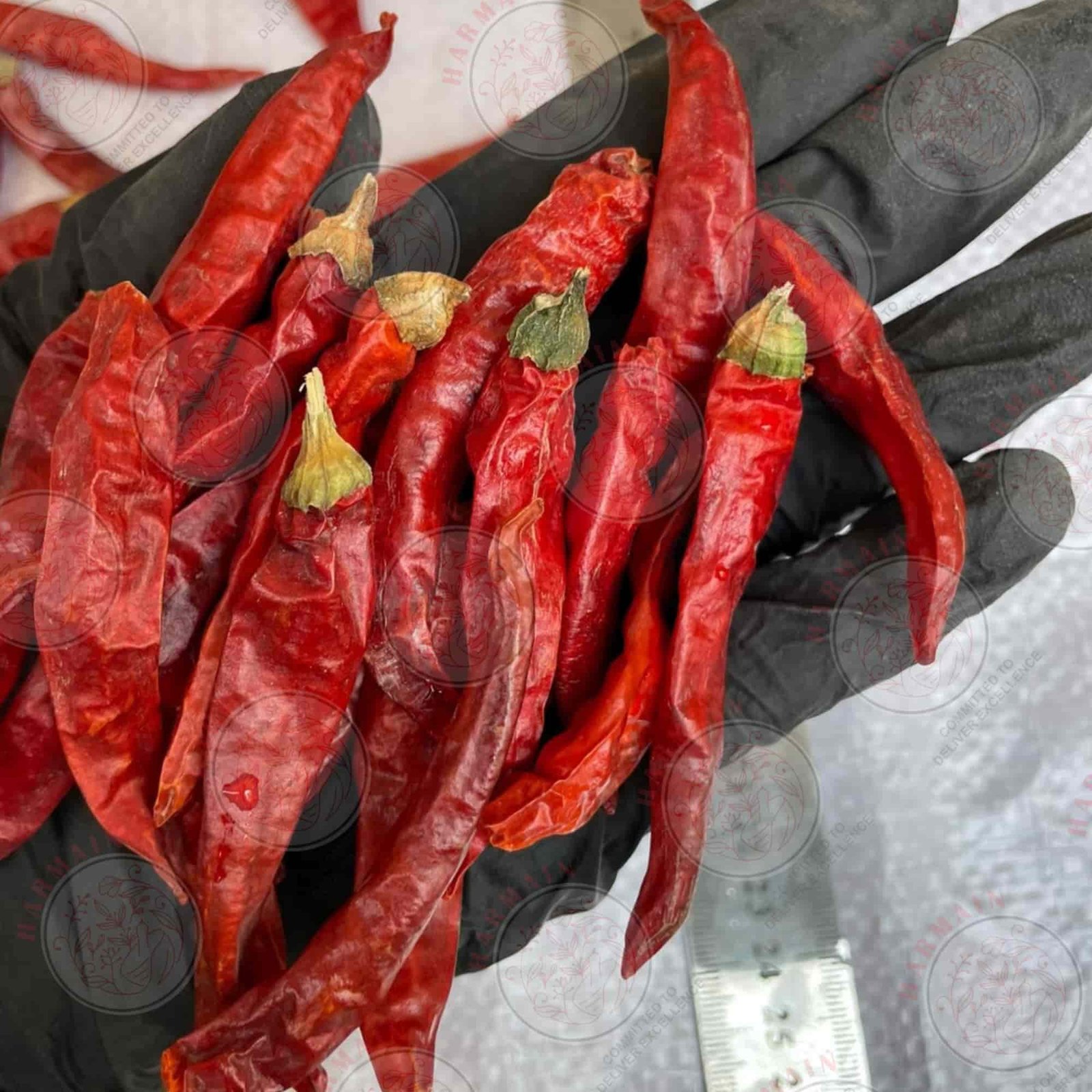
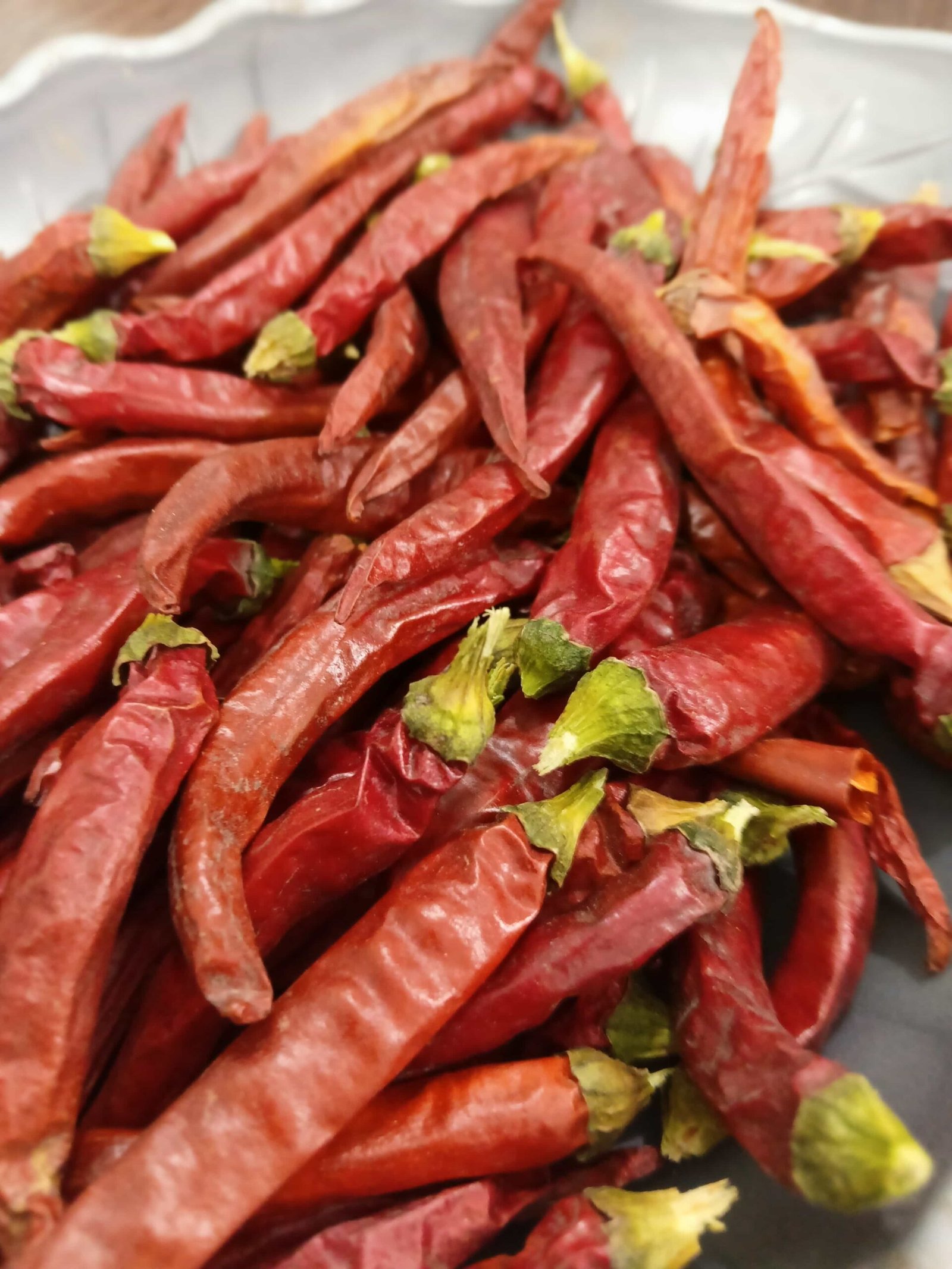
Spices, rice, and dried botanicals move as plant-origin agricultural cargo, cleared through the Ministry of Climate Change and Environment (MOCCAE), which handles plant quarantine and phytosanitary approval for raw agricultural goods, dried herbs, and spices. A phytosanitary certificate from the Pakistani plant protection authority travels with the shipment, the importer needs a MOCCAE import permit on the UAE side, and the product gets registered through ZAD, the federal food-registration portal run by the Emirates Authority for Standardisation and Metrology (ESMA). Labeling on anything reaching a UAE shelf needs Arabic alongside English — product name, ingredients, origin, production and expiry dates.
Halal certification gets treated as a blanket Gulf requirement more often than it should be. The actual legal trigger is narrower: it's mandatory for meat, poultry, and anything with animal-derived ingredients. None of these spice, grain, salt, or resin lines carry animal-derived ingredients, so halal certification isn't a legal gate here — it's a commercial one. UAE retailers and distributors frequently ask for it anyway, because buyers trust it.
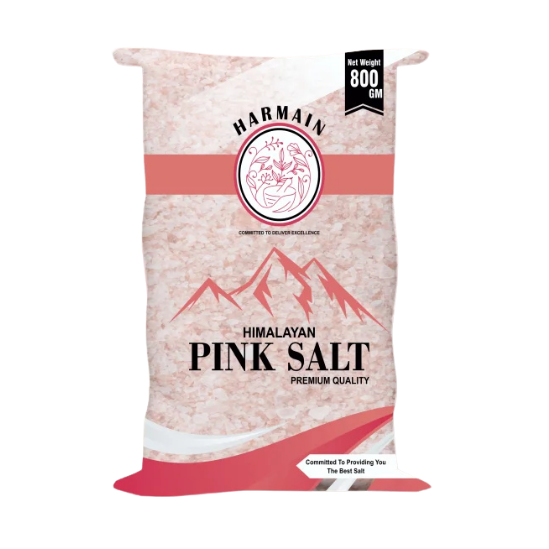
Himalayan pink salt breaks from the MOCCAE pathway entirely, because it's a mineral, not a plant commodity — there's no phytosanitary step. It moves instead through the general UAE food-standards framework: Dubai Municipality, ADAFSA for Abu Dhabi-bound cargo, and ESMA for conformity and labeling. Pakistan already supplies the majority of the UAE's Himalayan salt imports, ahead of every other origin country. Bulk wholesale shipments — the standard 25kg and 50kg commercial bag format — move on largely the same documentation as any other export: invoice, packing list, certificate of origin, certificate of analysis. Retail-ready consumer packaging is where ESMA conformity and full bilingual labeling come into play.
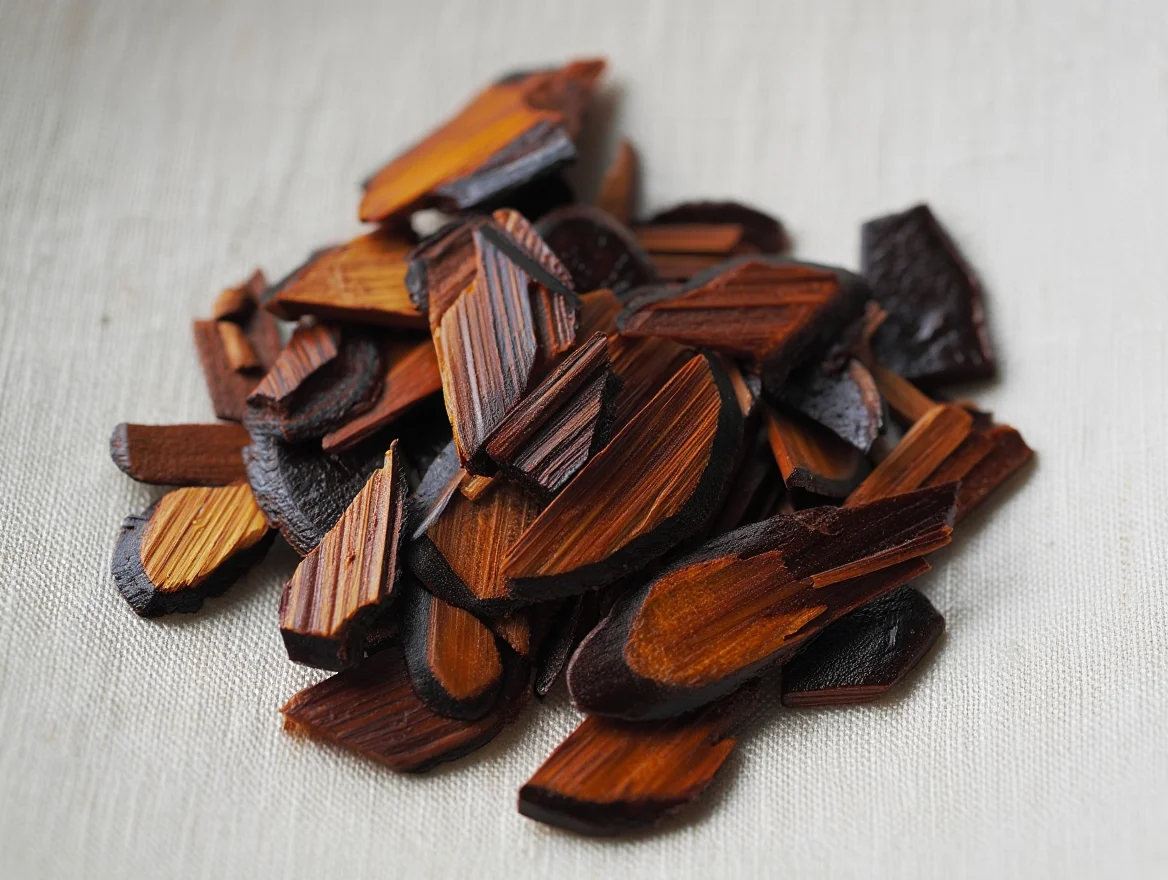
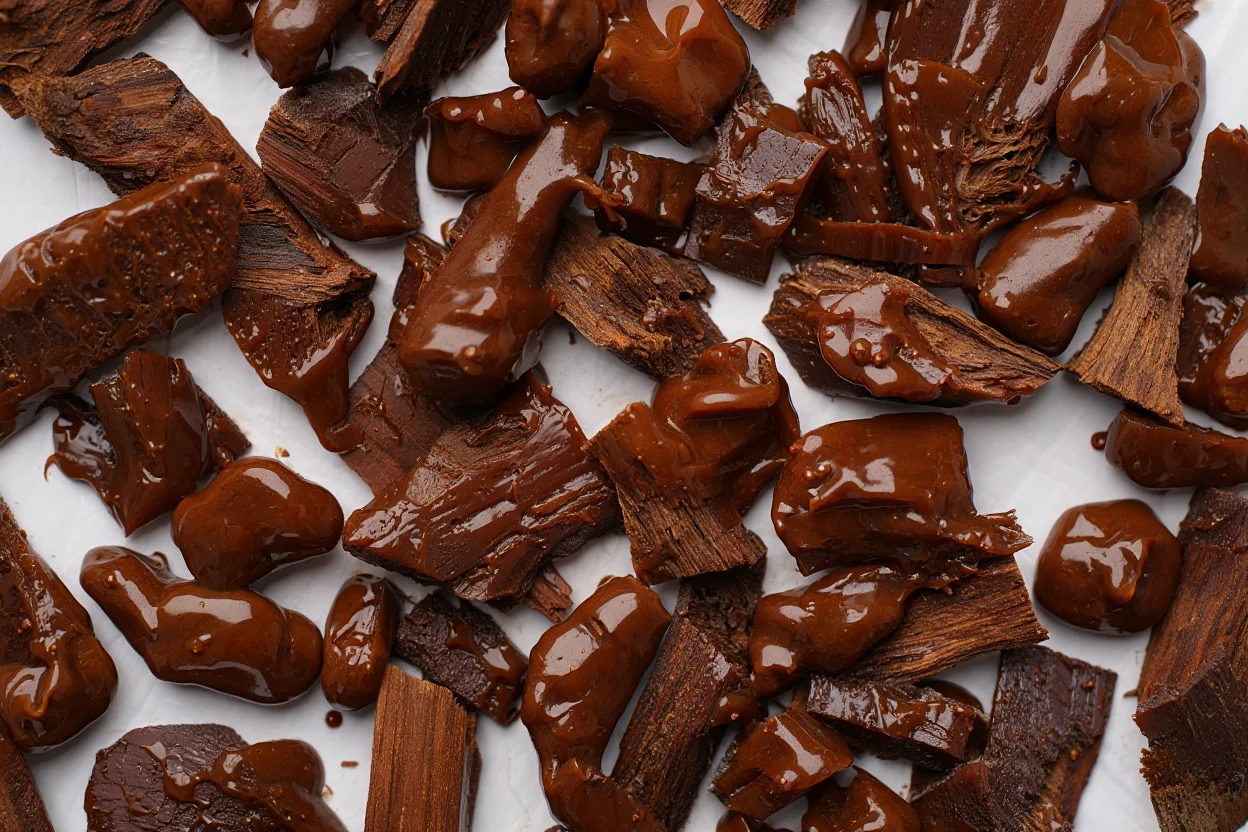
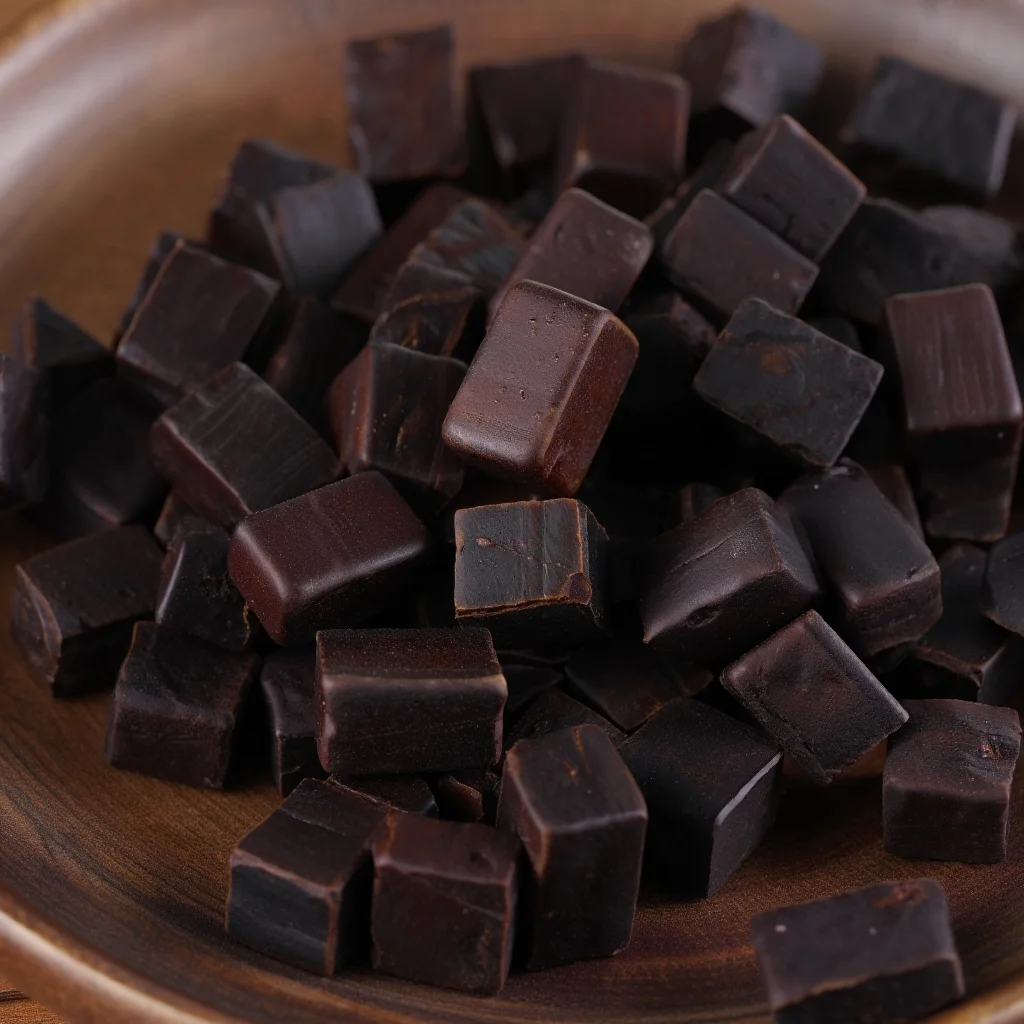
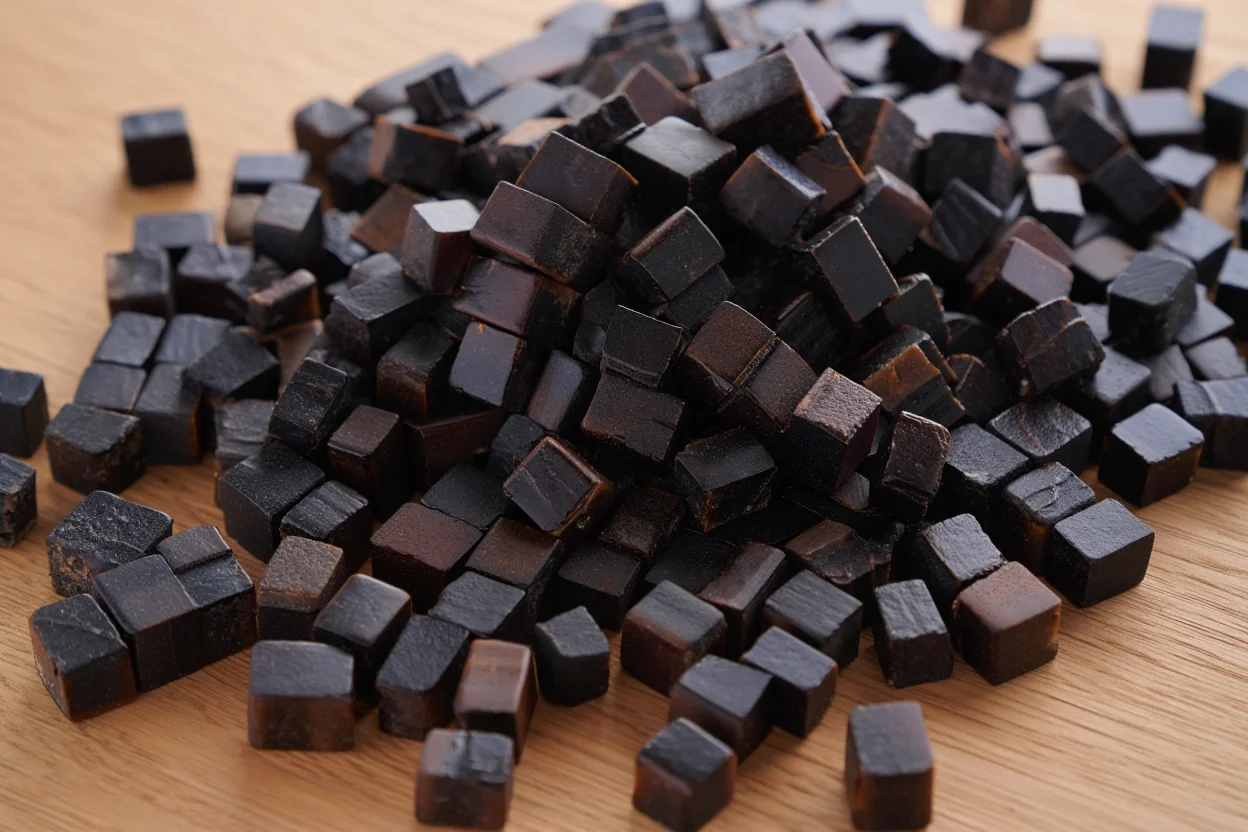
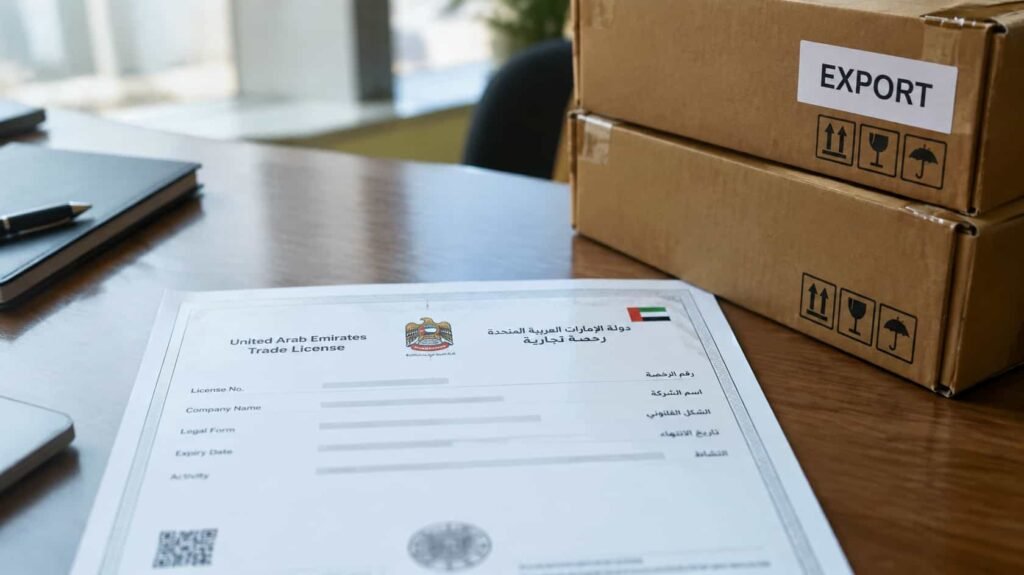
Bakhoor sits furthest from the other two. Finished bakhoor — the pressed chips and blocks sold as a consumer product — isn't food or agriculture in the UAE's eyes. It's regulated as a perfumery product, under Cabinet Decision No. 18 of 2014 (the Cosmetics Law) and Cabinet Decision No. 5 of 2014 (the Fragrances Law), and needs a Certificate of Conformity from ESMA through the Emirates Conformity Assessment Scheme before it can be sold, plus municipality-level product registration — in Dubai, through the Montaji system. Registering a finished product through that scheme requires the applicant to hold a UAE trade licence. Harmain Global holds one directly through its own Dubai-registered entity, alongside standard distributor-based routes. Raw gum benzoin resin sold to fragrance houses and incense manufacturers as a manufacturing input is a lighter case — it typically moves as a standard raw-material export, with certificate of origin, certificate of analysis, botanical-species verification, and IFRA compliance documentation where the buyer is formulating fragrance with it.
| Document | Spices, rice & dried botanicals | Himalayan pink salt | Bakhoor (finished) / resin (raw) |
|---|---|---|---|
| Commercial invoice & packing list | Yes | Yes | Yes |
| Certificate of origin | Yes | Yes | Yes |
| Phytosanitary certificate | Yes | Not applicable | Not applicable |
| MOCCAE import permit | Yes | Not applicable | Not applicable |
| Certificate of analysis | Yes | Yes | Yes (raw resin — botanical ID) |
| ESMA / ECAS conformity | Via ZAD registration | Retail pack only | Mandatory — finished product only |
| Municipality product registration | Not applicable | Not applicable | Mandatory — finished product only (Montaji in Dubai) |
| Halal certificate | Not legally required | Not legally required | Not legally required |