Licorice Root Bulk Export
Licorice root (Glycyrrhiza glabra) — known as Mulethi in South Asia, Aslussoos (عرق السوس) in Arabic, and Gan Cao (甘草) in TCM — sourced from Afghanistan and Pakistan. Pharmacopoeia-grade available (Ph. Eur. ≥4% glycyrrhizin). ISO 22000 · Halal · Organic. FOB Karachi.
The World's Sweetest Root — 30–50× Sweeter than Sugar
Licorice root (Glycyrrhiza glabra L., family Fabaceae) is one of the most historically documented medicinal plants on earth — present in TCM literature for over 3,000 years, referenced in ancient Egyptian and Assyrian records, and still one of the top five botanicals by pharmaceutical volume globally. Its primary active compound, glycyrrhizin, is a triterpene saponin naturally present at 6–14% concentration in the root — 30 to 50 times sweeter than sugar by weight — that simultaneously drives pharmaceutical anti-ulcer and anti-inflammatory applications, food industry sweetening and flavoring use, and cosmetic skin-brightening applications. That one compound serving three major industries is what makes licorice one of the few botanical commodities with genuinely diversified demand across pharma, food, and personal care.
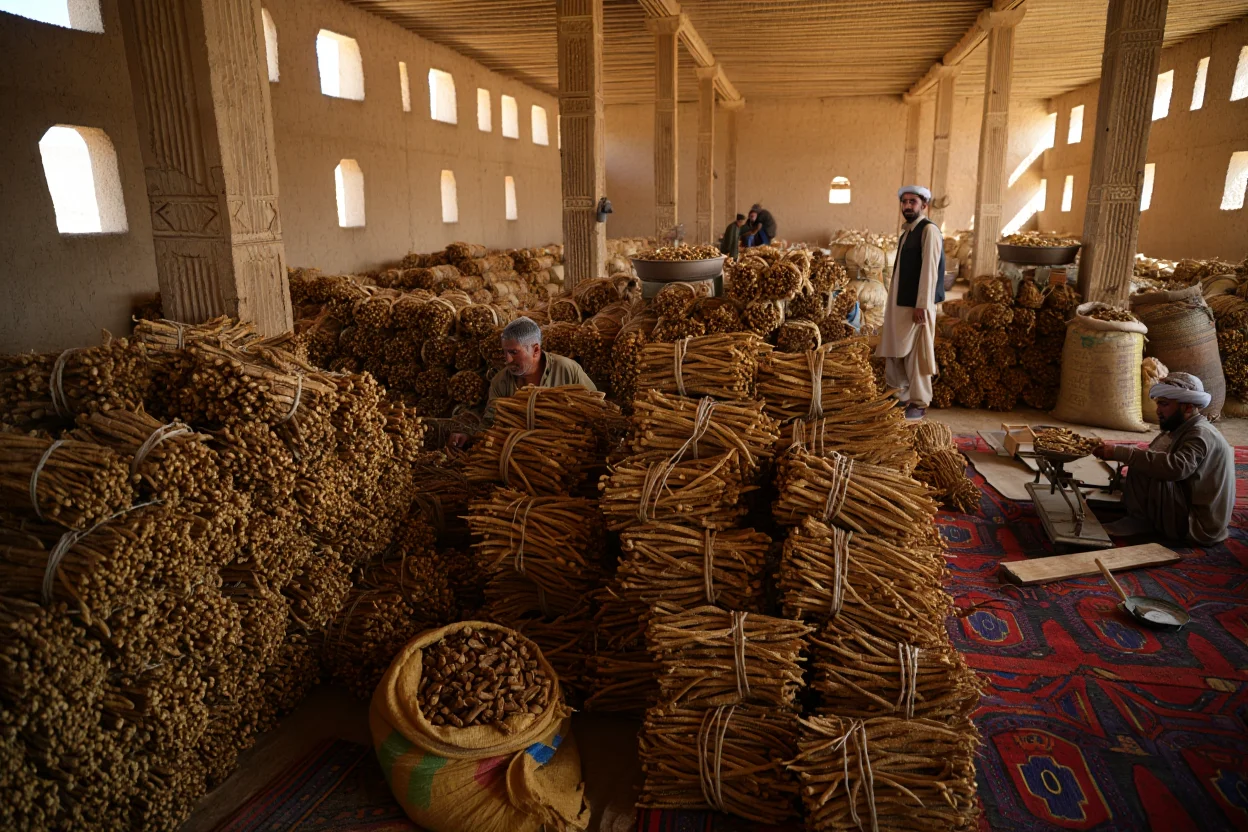
The world’s premium licorice root comes from a specific geography: Afghanistan and Pakistan’s arid highland regions, where wild-harvested Glycyrrhiza glabra develops the high glycyrrhizin concentration, deep colour, and robust flavour profile that distinguishes premium material from cultivated alternatives. Afghan origin is widely recognized in the trade as the benchmark — our primary source. Pakistan’s own documented growing zones (upper Chitral, Balochistan) supplement supply and provide origin diversity. Harmain Global is Pakistan’s top-3 licorice exporter — Pakistan holds approximately 14% of global licorice shipments, behind only Uzbekistan and China, making it a genuine force in world licorice trade with a citable market position, not a marginal supplier.
Pakistan’s position under the EU GSP+ scheme gives zero import duty on licorice root (HS 1211.40) — a direct cost advantage for European buyers over competing origins. UK DCTS provides equivalent duty-free access post-Brexit.
- Afghanistan Origin
- Glycyrrhiza glabra L.
- EU GSP+ Zero Duty
- Halal · Organic Available
- Pakistan Origin Available
- 14% Global Export Share
- Ph. Eur. ≥4% Glycyrrhizin
- Private Label Available
Licorice Root Products
 Quick View
 Quick View
 Quick View
 Quick View
- Quick View
 Quick View
 Quick View
 Quick View
 Quick View

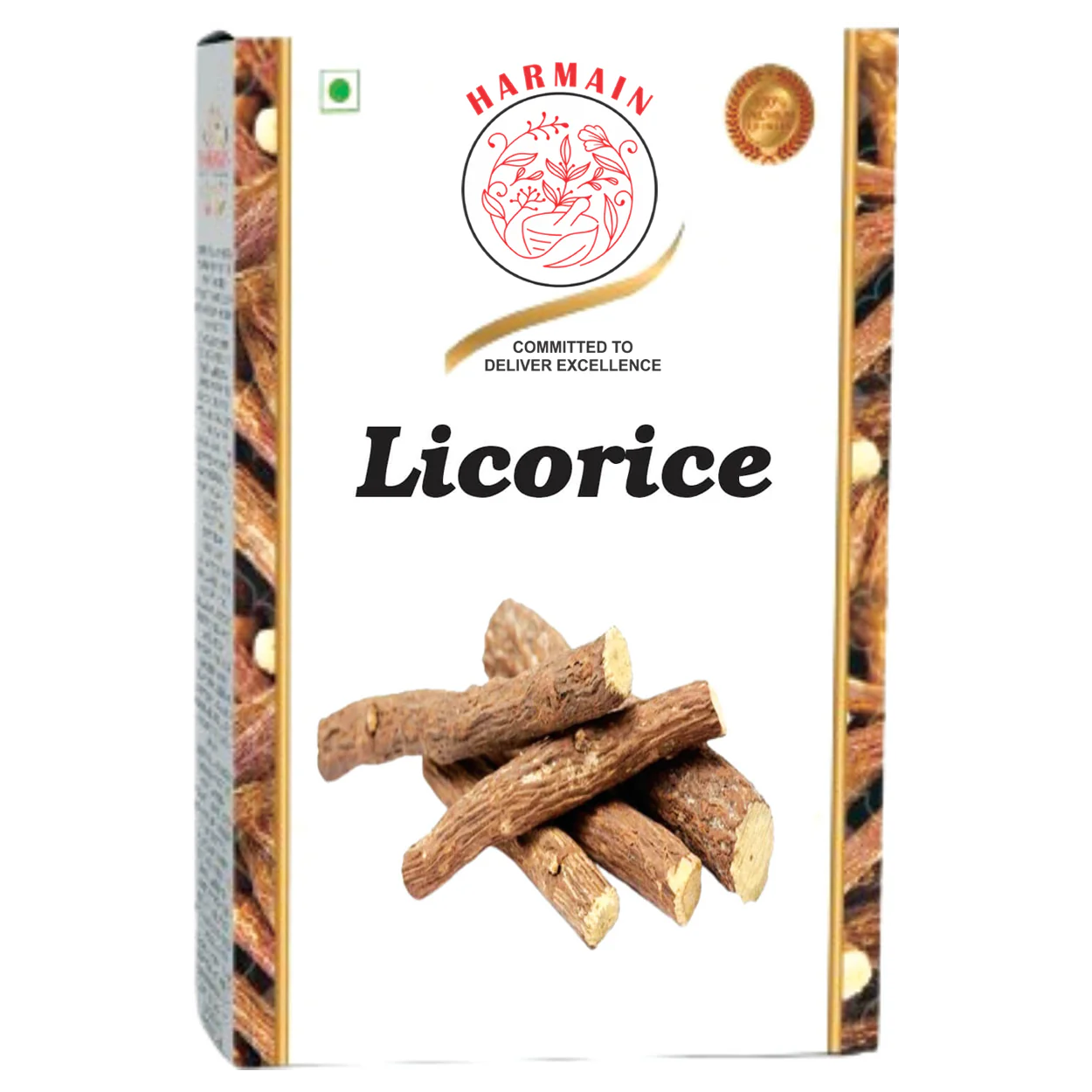
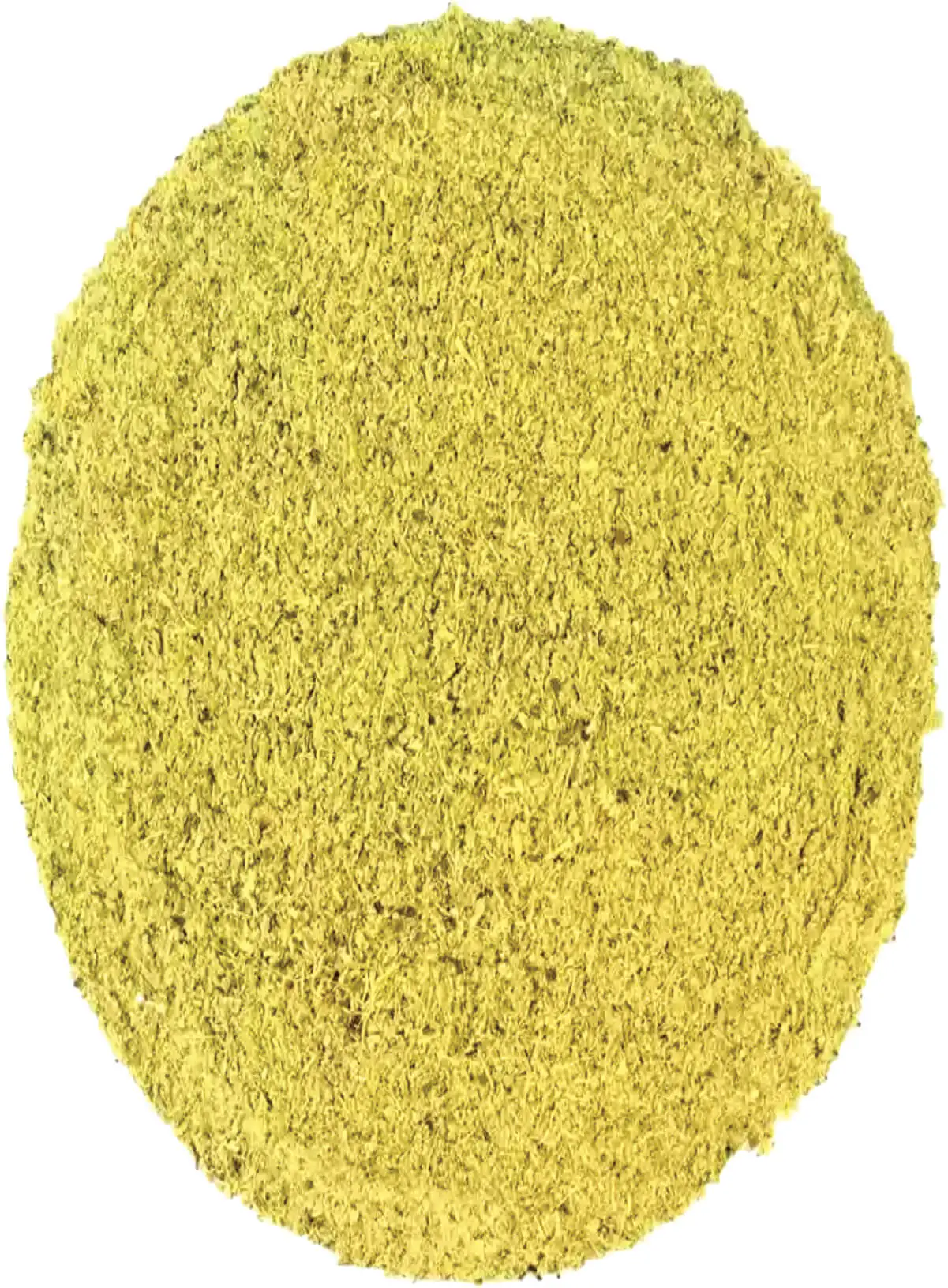
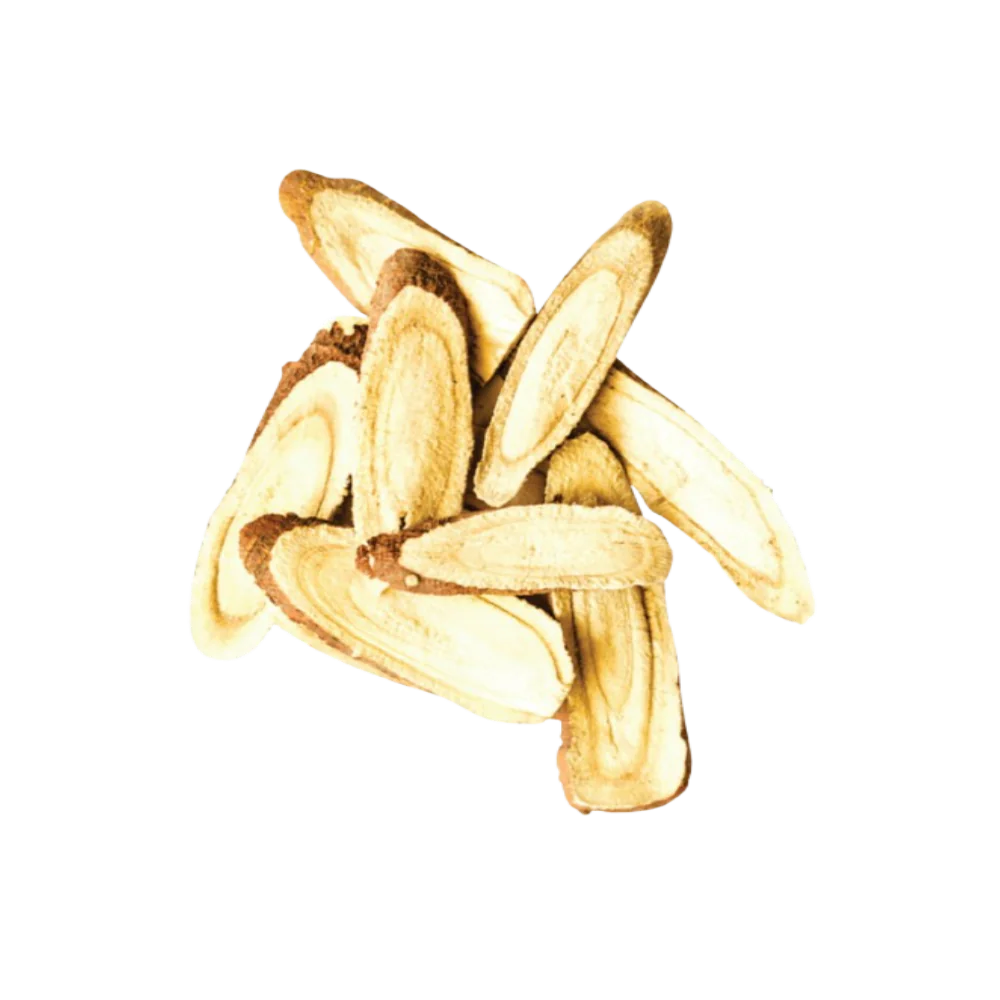
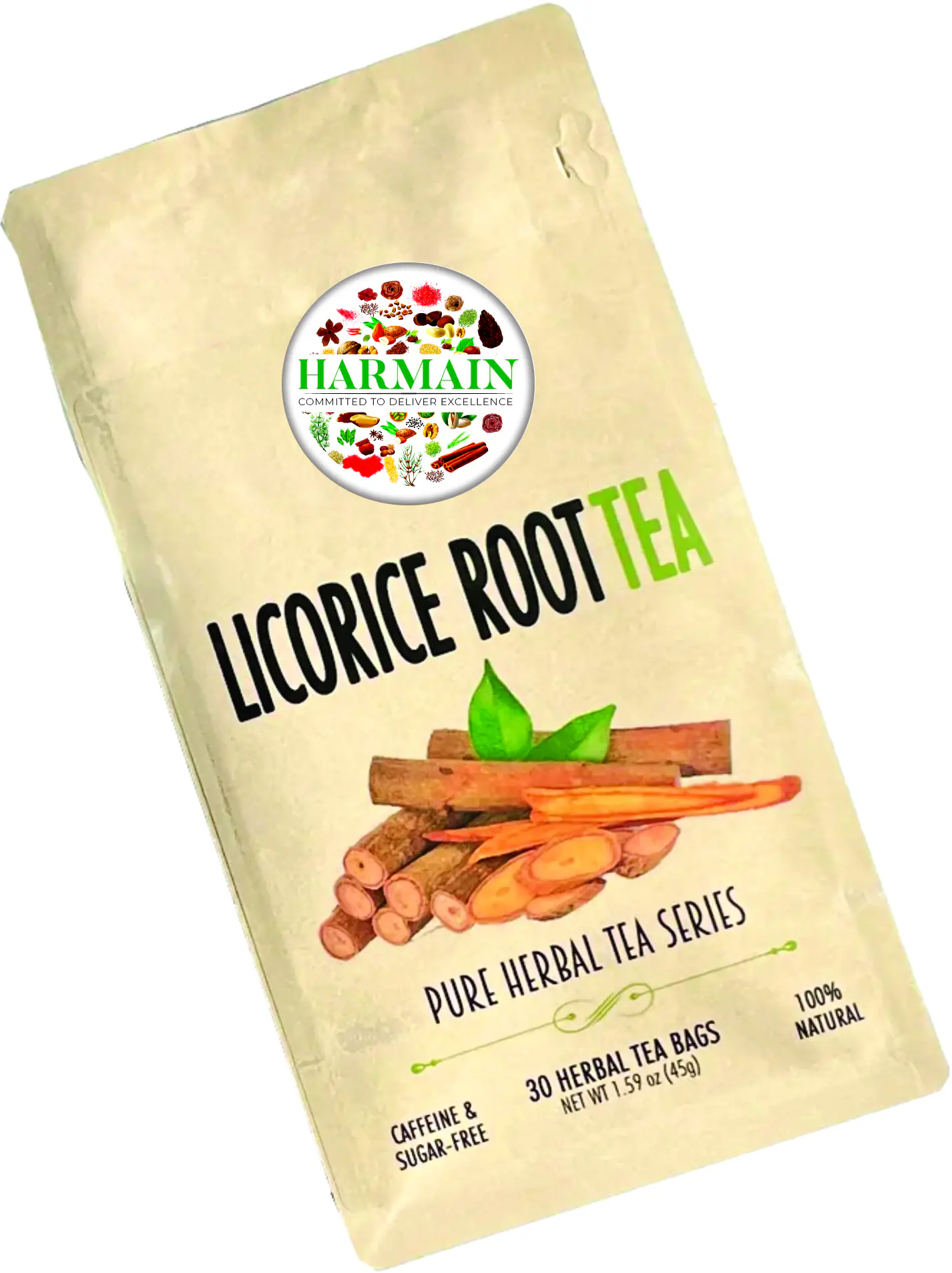
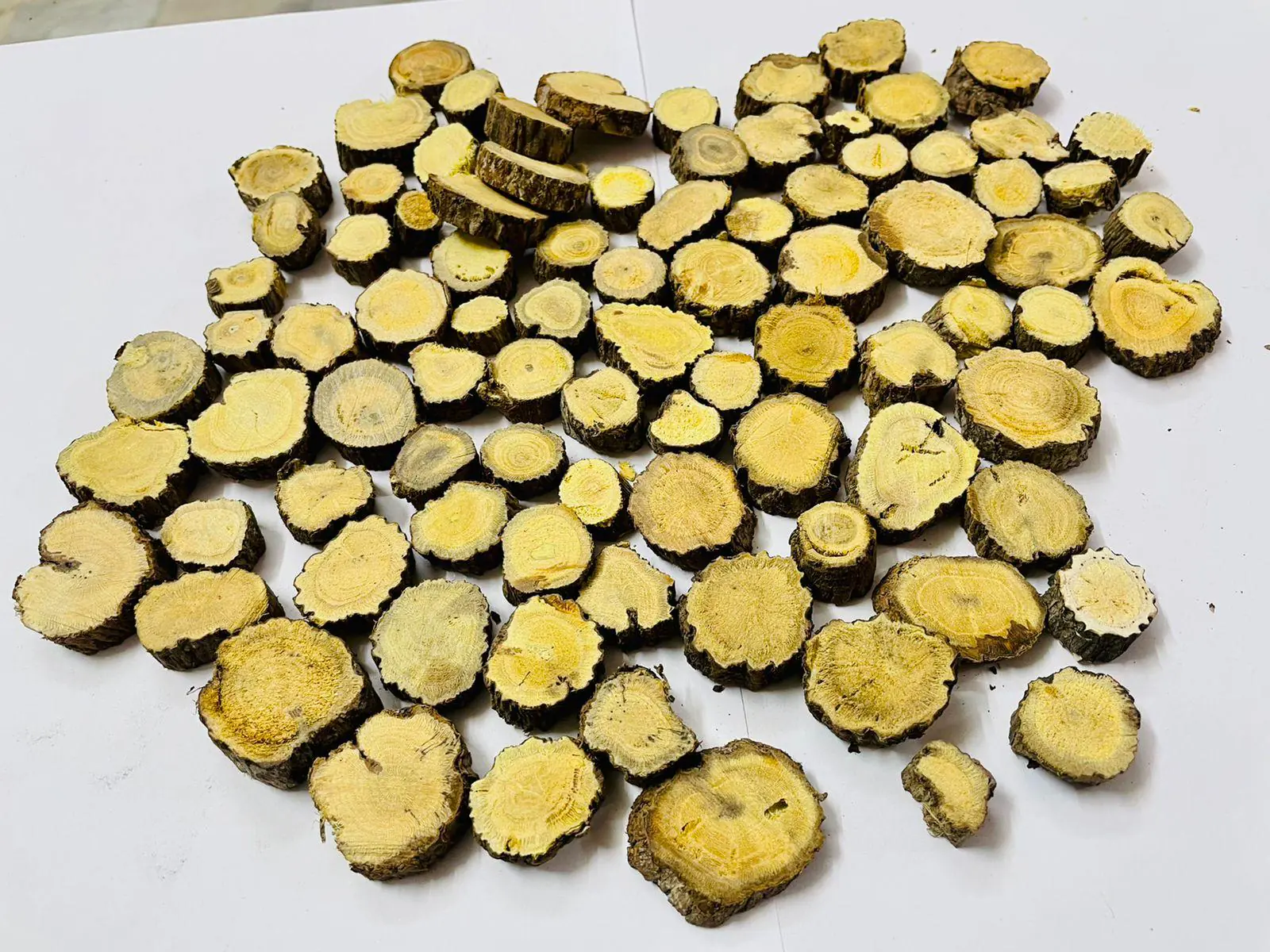
-Quality Specifications
Pharmacopoeia-Grade Licorice — The Standard That Separates Serious Exporters
Most licorice root listings on B2B platforms do not reference a pharmacopoeia standard because they cannot meet one. Pharmacopoeia compliance is what pharmaceutical buyers, regulated-market formulators, and quality-conscious food manufacturers actually check. Below are the standards we test against.
| Parameter | Premium Grade | Standard Grade | Industrial Grade |
|---|---|---|---|
| Species | Glycyrrhiza glabra L. — authenticated by botanical ID and HPLC profile | ||
| Origin | Afghanistan (primary) · Pakistan (Chitral, Balochistan) | Afghanistan / Pakistan | Pakistan |
| Glycyrrhizin Content | ≥4.0% (Ph. Eur. compliant) · HPLC-verified per batch | 2.0–4.0% — documented on CoA | ≥1.5% |
| Colour | Brown, uniform, golden-yellow cross-section; no artificial colouring, no blackening, no mould | Brown; minor colour variation | Dull brown acceptable |
| Moisture Content | <10% (root); tighter for powder to prevent caking | <12% | <13% |
| Purity | 98–99% (root sticks / cut root) | 95–98% | 90–95% |
| Foreign Matter | <1% | <2% | <3% |
| Aflatoxins | EU limit compliant — tested per batch | Tested per batch | Tested |
| Heavy Metals | Pb, As, Cd, Hg — typically below detection limits (wild-harvest, no industrial proximity) | Within international limits | Within limits |
| Pesticide Residues | EU MRL compliant — wild-harvested material; tested to confirm not-detected | Within importing country MRL | Tested |
| Microbial Safety | TPC · Yeast & Mould · E.coli absent · Salmonella absent (British Pharmacopoeia standard) | Standard food-grade limits | Standard limits |
| Adulteration Markers | No artificial colour · No blackened root (mould indicator) · No dusty/mouldy root · Authenticated G. glabra (not G. uralensis substituted without declaration) | No artificial colour | — |
| Shelf Life | 12–24 months when stored dry, cool, away from light | 12–24 months | 12 months |
| Testing Method | HPLC (glycyrrhizin/glycyrrhizic acid quantification) · SGS or Bureau Veritas · ISO/IEC 17025 accredited | ||
| HS Code | 1211.90 — "Licorice roots, fresh or dried, whether or not cut, crushed or powdered" | ||
| MOQ | 1 MT commercial bulk · 5–20 kg samples available with full CoA · trial orders welcome for first-time buyers | ||
| Packaging | 25–50 kg jute or woven PP bags (root/sticks) · 250g Pouches · multi-layer moisture-barrier bags/drums (powder) · retail 1 kg packs available | 25–50 kg PP/jute bags | Bulk 50 kg sacks |
| Incoterms | FOB Karachi · CIF · CFR · EXW | ||
| Certifications | ISO 22000HACCPHalalOrganic AvailableKosher AvailableCoA — HPLC + Full PanelPh. Eur. Grade on Request | ||
Adulteration in the Licorice Trade — What Cautious Buyers Screen For
The licorice root trade has well-documented adulteration problems that cause significant losses for buyers who don't test. Experienced procurement teams explicitly screen for:
- Artificially coloured root — darkened artificially to simulate premium colour; detected by water wash test and visual inspection of cross-section.
- Blackened or mouldy root — indicates poor post-harvest storage or moisture mismanagement; a food safety risk, not just a cosmetic issue.
- Dusty root — suggests old stock or improper storage conditions.
- Species substitution — G. uralensis substituted for G. glabra without declaration, or other Glycyrrhiza species mixed in; detectable by HPLC profile differences.
- Inflated glycyrrhizin claims — stated 5–6% glycyrrhizin that tests at 2%; always demand batch-specific HPLC CoA, not a general product specification sheet.
Every Harmain Global CoA documents batch-specific HPLC-verified glycyrrhizin content from the actual lot being shipped. Not a reference value. Not a product-level average. The specific batch you are buying.
– Grading System
Three Grades — Choose the Right One for Your Application
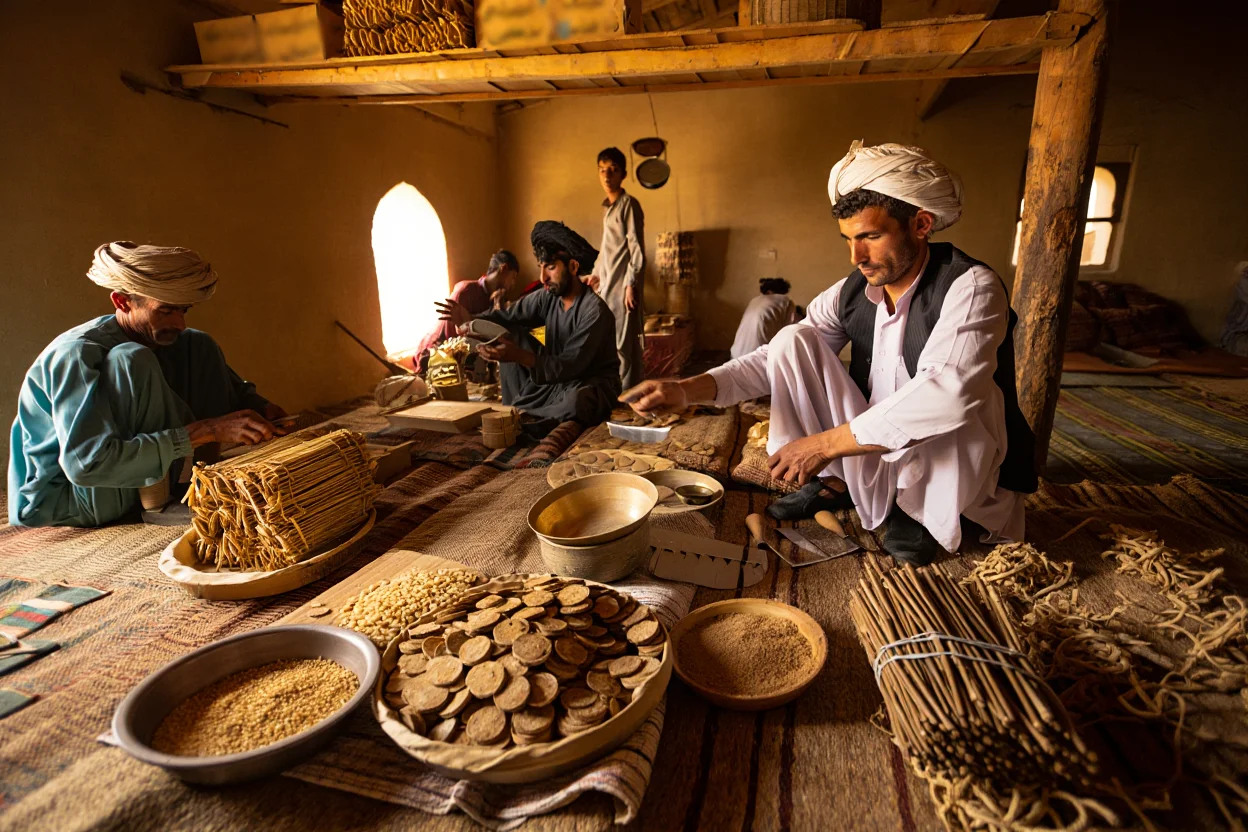
Licorice root is graded by glycyrrhizin content, physical appearance, and foreign matter level. The right grade for you depends on your downstream application — we are transparent about what each grade delivers and what it costs.
Pharmaceutical / Pharmacopoeia Grade
Glycyrrhizin ≥4.0% (Ph. Eur. compliant). Uniform colour, no blackening, no mould. Purity 98–99%. Foreign matter <1%. HPLC CoA per batch. Ph. Eur. / WHO monograph compliance documentation available. For pharmaceutical extract manufacturers, premium nutraceutical brands, and cosmetic ingredient buyers who need a defensible pharmacopoeia reference in their finished-product documentation.
Food / Herbal Tea / Supplement Grade
Glycyrrhizin 2.0–4.0%, documented on CoA. Good colour. Purity 95–98%. Foreign matter <2%. Food-grade certification. Meets EU and FDA food safety requirements. For herbal tea manufacturers, supplement formulators, food and beverage companies, and herbal wholesalers where Ph. Eur. pharmacopoeia compliance is not a mandatory requirement but consistent glycyrrhizin specification is.
Industrial / Extract Input Grade
Glycyrrhizin ≥1.5%. Less stringent colour grading. Purity 90–95%. Foreign matter <3%. For industrial extraction operations where the extract manufacturer does their own in-house standardization, tobacco industry flavoring applications, and price-sensitive bulk processing where the downstream extraction process removes the need for premium raw material specifications.
-Farm to Facility
Our Processing Chain — From Afghan Highlands to Export-Ready Container
Every step from harvest to container is documented — because consistent glycyrrhizin content, moisture control, and physical quality are produced in the field and processing facility, not just verified by a lab at the end.
1. Direct Farm Procurement — Afghanistan & Pakistan
Our primary source is Afghanistan — wild-harvested Glycyrrhiza glabra from the arid highland zones of northern and western Afghanistan, where the specific soil composition and climate stress that drives high glycyrrhizin concentration is found. We work directly with verified suppliers who have established harvesting operations in these regions, cutting out intermediary traders who add cost and reduce traceability. Pakistan’s own growing areas — upper Chitral in KPK, and Balochistan border regions — supplement supply and provide origin flexibility for buyers who require Pakistan-only documentation. Our agronomists monitor harvest timing, as glycyrrhizin content peaks at specific plant maturity — premature or over-mature harvest produces lower-specification material.
2. Sustainable Harvesting Practices
Wild licorice regenerates from horizontal underground stolons — the same root system that carries the alkaloid content buyers pay for. Overharvesting destroys the resource permanently. We train and require contracted harvesters to remove only mature roots while leaving younger plants and stolon networks intact for regrowth. Sustainable harvesting is not a marketing claim for us — it is the supply chain protection measure that ensures we can still deliver licorice root at consistent quality in year 10 as in year 1. Cleared patches take 3–4 years to recover; we do not trade future supply for short-term volume.
3. Intake Inspection — Hyderabad Processing Facility
All incoming root is inspected at our Hyderabad facility before processing begins. Visual inspection screens for: colour uniformity, presence of blackening (mould indicator), dust level (storage quality indicator), physical damage, and foreign matter. A trained QC team handles this — people who know what premium Afghan licorice root looks like versus inferior or adulterated material. Lots that do not meet intake standards are rejected before they enter the processing stream. No compromised material reaches the grading stage.
4. Cleaning, Sorting & Grading by Form
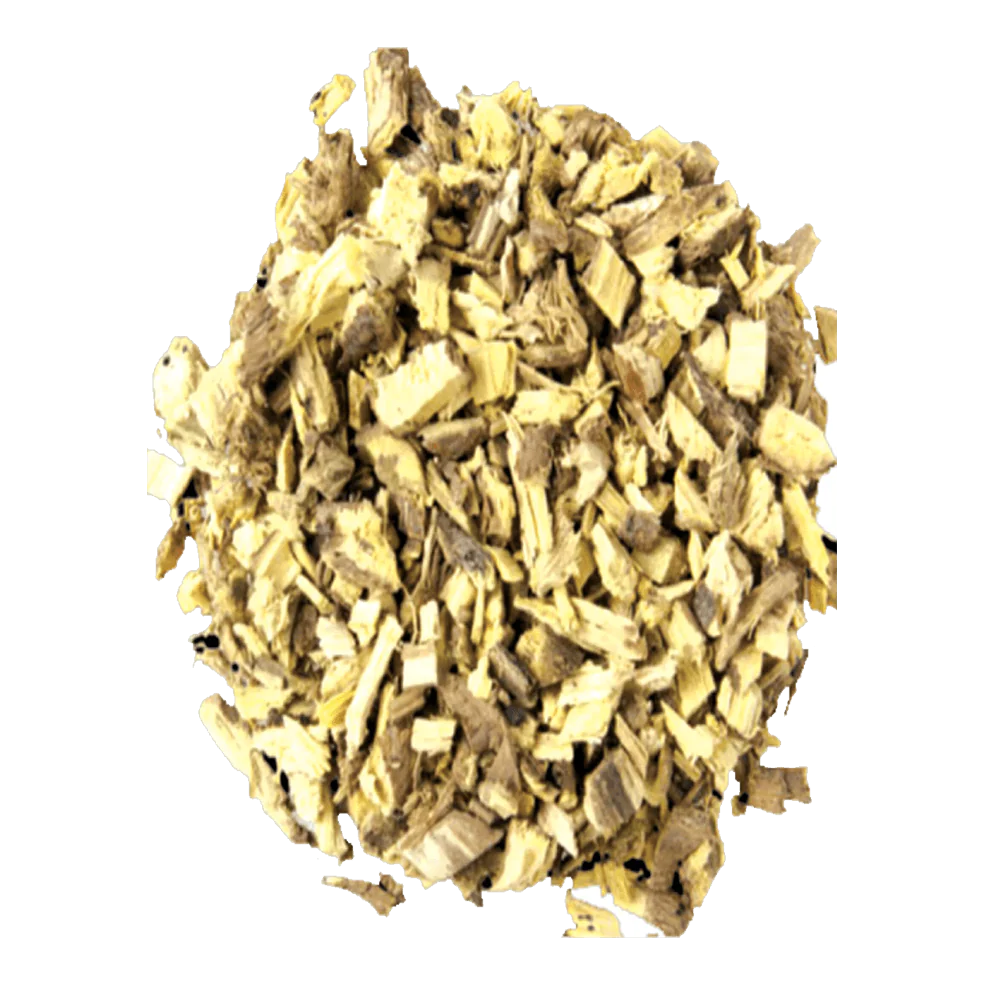
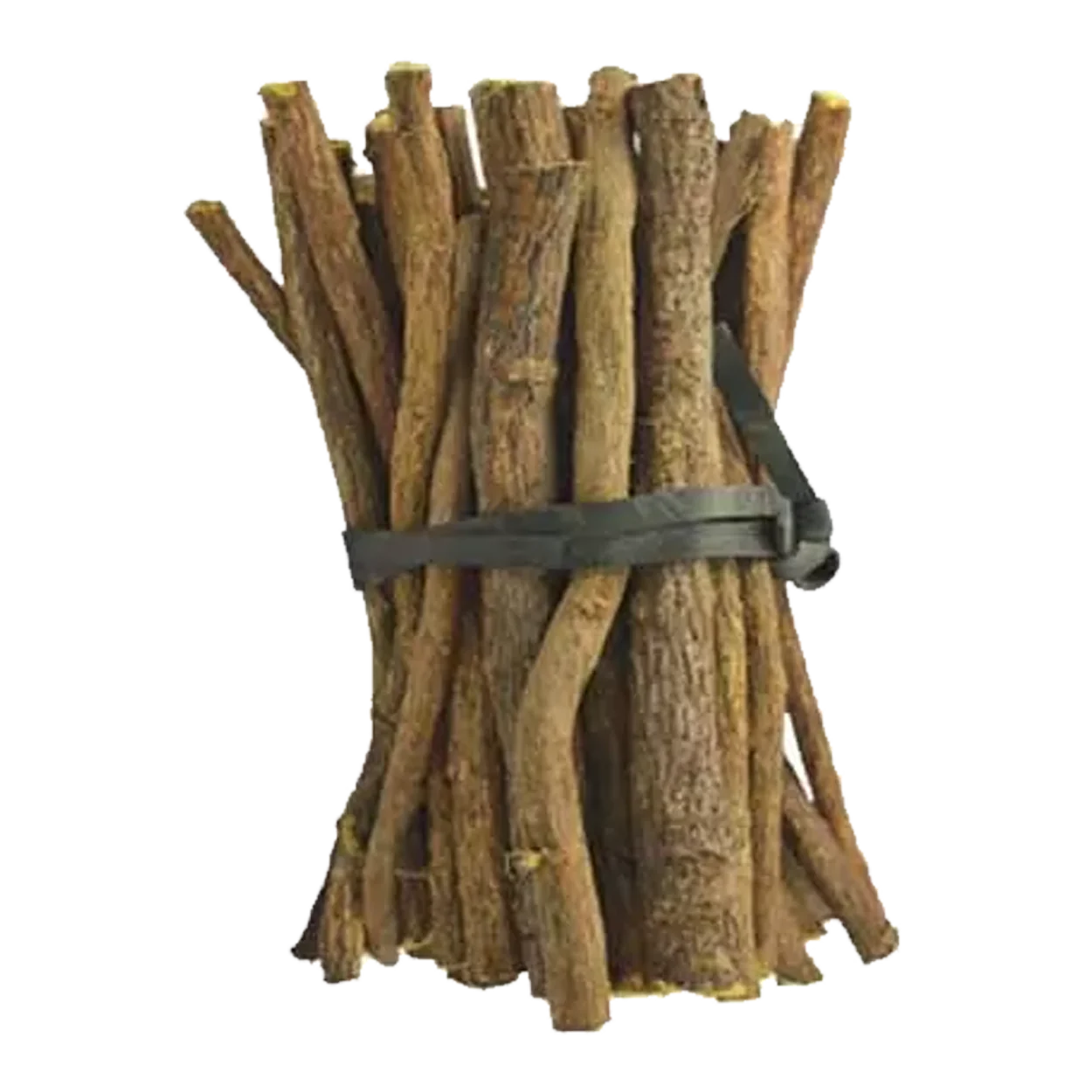
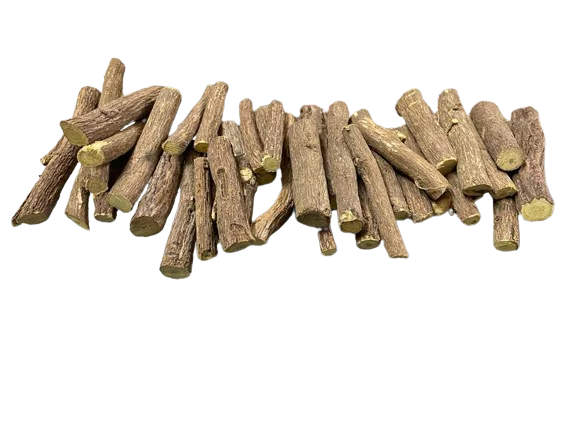
Accepted root is cleaned to remove soil, stones, and extraneous plant material. It is then sorted and graded by root size, colour uniformity, and condition. From this sorted pool, the nine product forms are produced: whole roots, premium sticks, regular sticks, long slices, finger-quality root, coin cut, TBC 0–3 fine cut, powder, and licorice green tea blend. Cutting is performed on food-grade equipment under hygienic conditions. Powder is milled to your specified mesh size (standard or custom) and immediately packed to prevent moisture uptake. All cut forms are sifted to remove dust fines created during cutting before packing.
5. HPLC Glycyrrhizin Testing — Per Batch
The single most important quality parameter for every licorice buyer is glycyrrhizin content — and the only credible way to document it is HPLC (High-Performance Liquid Chromatography) on the actual batch being shipped. We test every commercial export lot with SGS Pakistan or Bureau Veritas. The CoA documents: glycyrrhizin percentage (calculated on dried drug, in line with Ph. Eur. methodology), glycyrrhizic acid content, moisture, ash, foreign matter, aflatoxins, heavy metals (Pb, As, Cd, Hg), pesticide residues, and microbial safety. This is the complete panel that pharmaceutical, food, and cosmetic buyers require. Batch-specific — not a historical reference sample.
6. Packaging — Moisture Control is the Critical Variable
Moisture is the single most-cited quality-control issue in licorice powder and cut root — moisture uptake during storage or transit causes caking in powder, microbial growth, and glycyrrhizin degradation. Our packaging protocol addresses this directly: multi-layer moisture-barrier bags for powder (WVTR-tested), heat-sealed inner liners for all cut root forms before outer jute or PP bag sealing, and proper pallet stacking to prevent compression damage. Each pack carries batch number, processing date, grade, glycyrrhizin specification, origin, and certification references. Custom pack sizes — including 1 kg retail trial units for first-time buyers — available on request.
7. Export Documentation — Complete per Shipment
Certificate of Analysis (HPLC glycyrrhizin + full safety panel, SGS or BV signed) · Phytosanitary Certificate (Pakistan Department of Plant Protection) · Certificate of Origin (Chamber of Commerce — for EU GSP+ and UK DCTS duty claims) · Commercial Invoice (HS 1211.40) · Packing List · Bill of Lading · Halal Certificate · Organic Certificate (where applicable) · Kosher Certificate (where applicable) · Pharmacopoeia conformity statement (Ph. Eur. / WHO monograph, on request for pharma buyers) · FDA GRAS reference documentation (for US food-grade buyers). All documentation is prepared and verified before loading.
– Application & Industries
Industries — One Root, Multiple Markets
The licorice global market stands at USD 2.8 billion in 2024, projected to reach USD 4.6 billion by 2034. The pharmaceutical segment accounts for 38–45% of that market. Cosmetics 25%. Food and beverage 30%. Harmain Global supplies all five sectors.
Pharmaceutical Manufacturers
Cough syrups, digestive medications, anti-ulcer formulations, anti-inflammatory preparations, and hepatoprotective drugs. Require Ph. Eur. ≥4% glycyrrhizin, HPLC CoA, batch traceability, and pharmacopoeia conformity documentation. Largest demand segment globally (38–45%). Key markets: Europe, GCC, East Asia.
Nutraceutical & Supplement Brands
Digestive health supplements, adrenal support formulas, immunity boosters, and respiratory formulations. Require consistent glycyrrhizin specification, non-GMO documentation, Halal or Kosher where applicable. Standard or premium grade based on target market positioning.
Food & Beverage Manufacturers
Natural sweetener (30–50× sweeter than sugar — a flavour-profile fact relevant to formulators), confectionery, herbal teas, root beer and beverage flavoring, tobacco flavoring/moistening. FDA GRAS status (ammoniated glycyrrhizin, 21 CFR 184.1408) and EU flavoring register approval documented. Second-largest segment (~30%).
Cosmetics & Personal Care
Skin-brightening via glabridin and related flavonoids; anti-inflammatory serums and creams; dipotassium glycyrrhizinate-based hydration formulas (e.g. Estée Lauder Japan launch, Sept 2024). Third-largest segment (~25%). Cosmetic-grade specifications, dermal safety data (HET-CAM protocol), heavy metal clearance documentation available.
Herbal Tea & TCM
TBC 0–3 fine cut and coin cut for herbal tea brands; whole root and regular sticks for TCM formulators and Kampo medicine producers. Gan Cao (甘草) — "nine out of ten TCM formulae contain licorice" — is a widely cited trade fact that reflects the genuine centrality of this ingredient in East Asian traditional medicine supply chains.
Traditional Medicine & Herbal Wholesale
Unani, Ayurvedic, and South Asian traditional medicine markets where Mulethi/Yashtimadhu/Jethimadh has documented therapeutic use. Herbal pharmacies, wellness centres, and Hakeem suppliers across Pakistan, India, GCC, UK, and South Asian diaspora markets globally. Whole roots and premium sticks preferred.
– Certifications & Compliance
Certified for Pharma, Food, Cosmetic & Halal Markets
Licorice root carries no precursor or narcotics regulatory overlay — the real competitive barrier is consistent glycyrrhizin content, moisture control, and pharmacopoeia-referenced documentation. These are our certifications.
FDA Registered Facility
FDA-registered for US food and dietary supplement exports. GRAS reference documentation available (ammoniated glycyrrhizin 21 CFR 184.1408; EU flavoring register Regulation EC 1334/2008). FDA-compliant labelling guidance available.
ISO Certified
Food Safety Management System. Covers all sourcing, processing, and export operations. Required baseline for EU, UK, USA, and GCC food-grade and pharmaceutical buyers.
Halal Certified
Essential for GCC (UAE, Saudi Arabia, Qatar, Kuwait), Malaysia, Indonesia, and Muslim-majority markets globally. All product forms Halal certified.
Organic Certified
EU Organic-aligned and USDA NOP-aligned organic supply available from certified farms in Afghanistan and Pakistan. Full chain-of-custody documentation. NOP Import Certificate for US buyers.
GACC Registered
Registered with China's General Administration of Customs for direct export to Chinese food manufacturers, wellness brands, and distributors.
On-Demand Documents
Certificate of Origin · Certificate of Analysis · Non-GMO Declaration · Kosher · Allergen Statement · Free Sale Certificate · Declaration of Compliance (food-contact packaging)
– Export Markets
Where Harmain Global Supplies Licorice Root
The global Himalayan pink salt market is growing at 5.39% CAGR to USD 2.34B by 2030. The United States, Malaysia, and UAE lead global imports, with Malaysia (27%), Vietnam (15%), and the USA (14%) accounting for 56% of shipments. The UK, Germany, Japan, and France markets are also growing steadily.
– Logistic & Shipping
FOB Karachi — Sample-First, Then Scale
Licorice root buyers tend to start with small trial orders (5–20 kg samples, then 15–55 kg trials) before scaling to container volume. We are built for this pattern — sample with full CoA, trial order, then FCL or LCL at volume.
🚢 Sea Freight
20ft FCL / 40ft FCL (large orders)
LCL consolidated (trial / mixed orders)
Port of loading: Karachi (PKKHIA)
Incoterms: FOB · CIF · CFR · EXW
EU GSP+ Certificate of Origin for zero-duty entry
UK DCTS Certificate of Origin for duty-free
✈️ Samples & Air Freight
5–20 kg samples via DHL / FedEx (3–5 days)
Full CoA accompanying every sample
HPLC glycyrrhizin data + safety panel
1 kg retail trial packs available
Sample cost credited to first commercial order
📦 Packaging Options
25–50 kg jute bags (whole roots / sticks)
25–50 kg woven PP bags with moisture-barrier liner (cut grades)
Multi-layer moisture-barrier bags (powder — critical for caking prevention)
Sealed drums for extract / pharmaceutical format
1 kg retail packs for private label
Custom sizes on request
📄 Documentation
Certificate of Analysis (HPLC + full panel, SGS or BV)
Phytosanitary Certificate (DPP)
Certificate of Origin (Chamber of Commerce)
Commercial Invoice (HS 1211.40)
Packing List + Bill of Lading
Halal / Organic / Kosher certificates
FDA GRAS reference / EU flavoring register
Ph. Eur. conformity statement (pharma buyers)