Export From Pakistan to China
Harmain Global exports Himalayan pink salt, basmati rice, sesame, black seed, dry red chilli, pine nuts and more from Pakistan to China — GACC registration, quarantine protocols, and what’s confirmed for each product.
China runs import approval in two separate layers, and mixing them up is where most new exporters lose time. The first layer is facility registration — every overseas food producer needs to be registered with China’s General Administration of Customs (GACC) before any shipment clears, regardless of product. The second layer is species-specific: raw plant commodities also need to be on China’s plant-quarantine approved list before that particular species can enter at all, and that status varies product by product. Here’s what’s confirmed for each line, and what still needs checking before you contract.

The Product Range

 Quick View

 Quick View

 Quick View
 Quick View
 Quick View
 Quick View
 Quick View
- Quick View
 Quick View
 Quick View
 Quick View

 Quick View
 Quick View
 Quick View
- Quick View
- Quick View
 Quick View

 Quick View
- Quick View
 Quick View
 Quick View
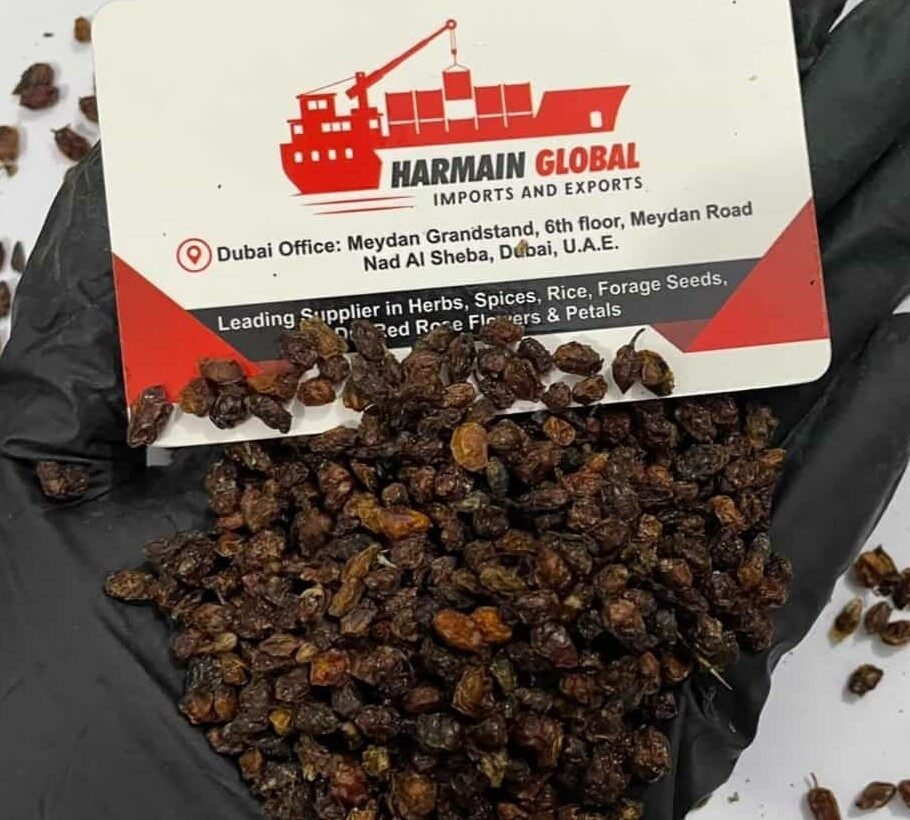
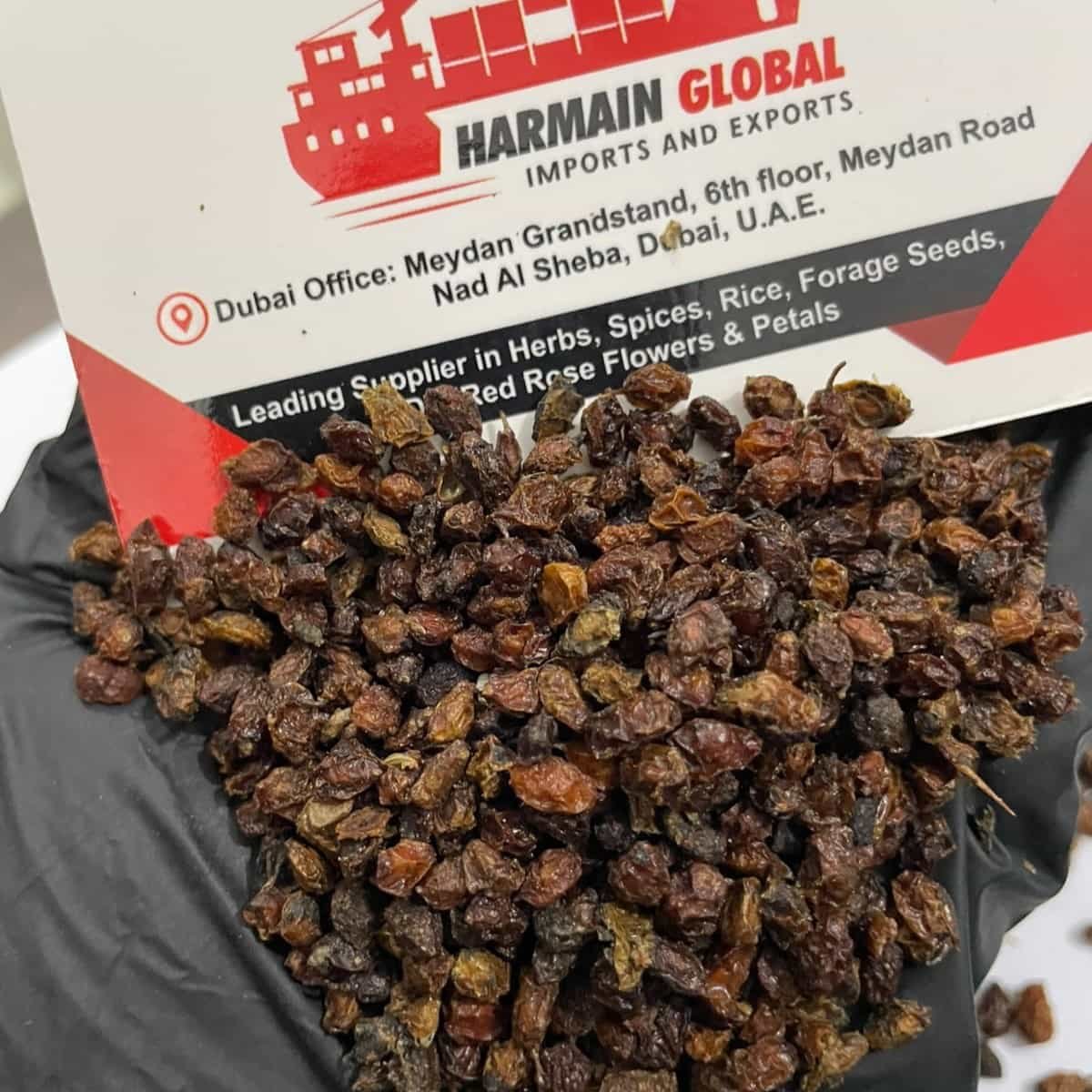
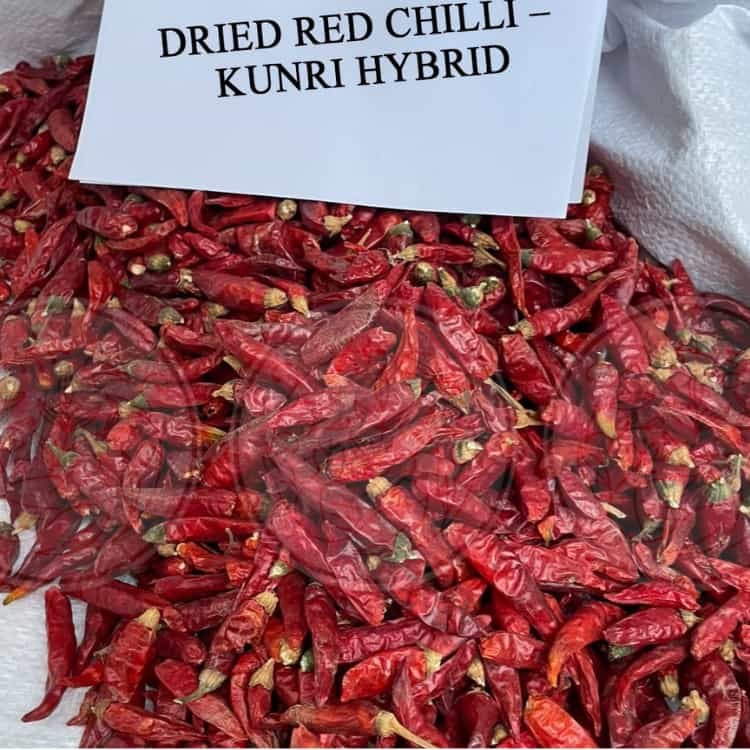
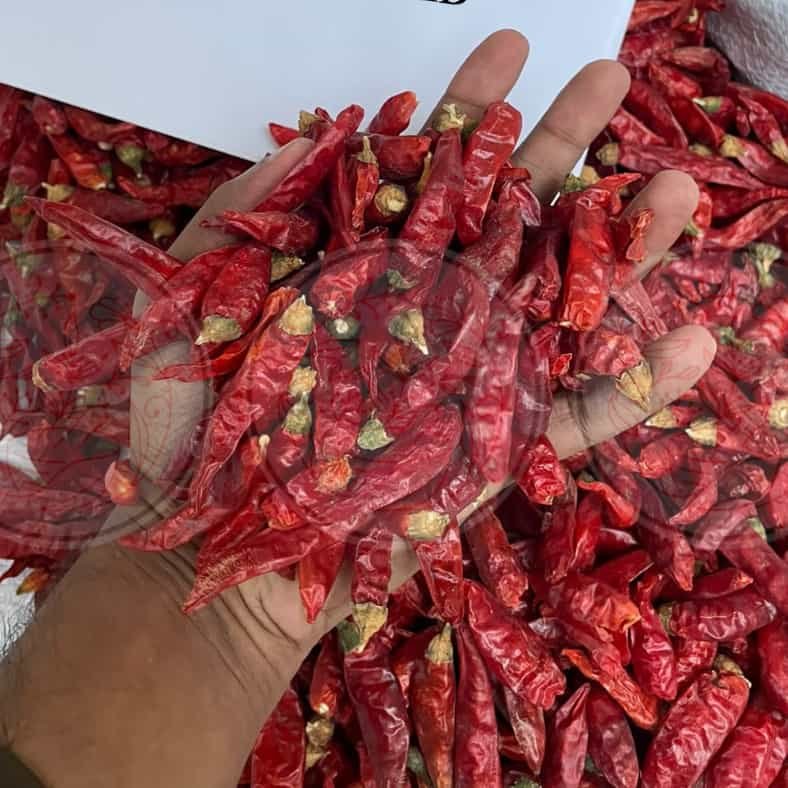
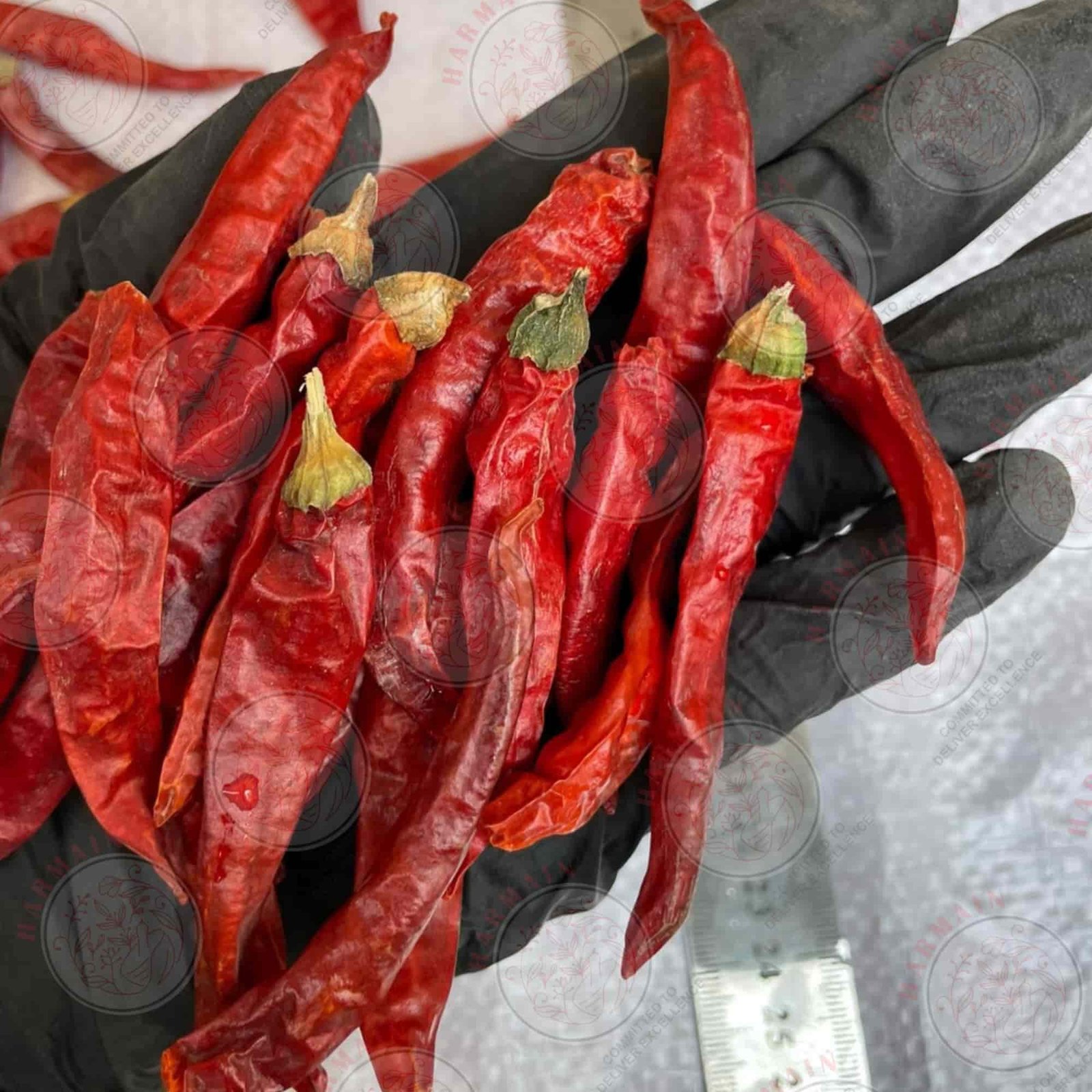
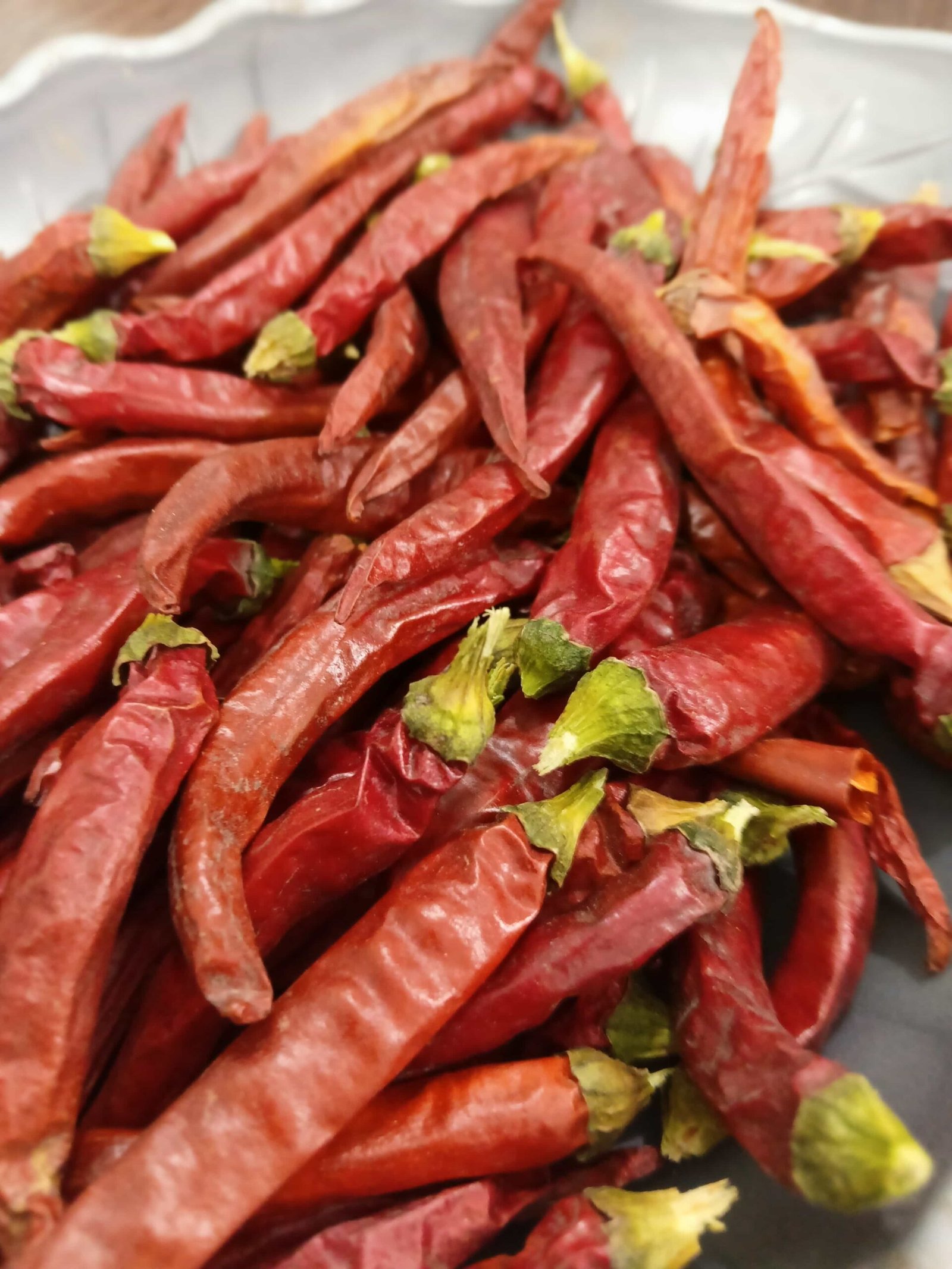
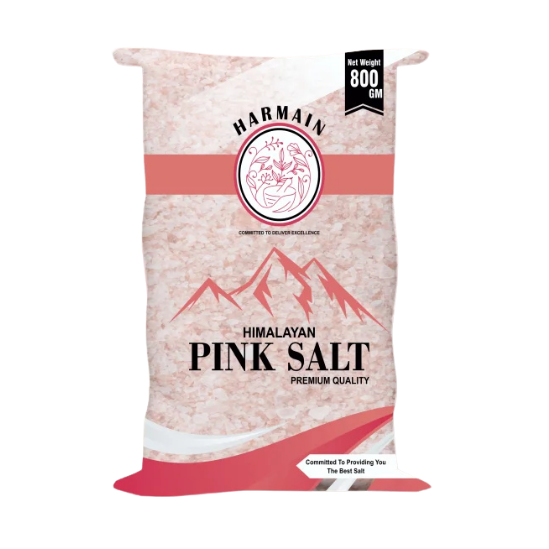
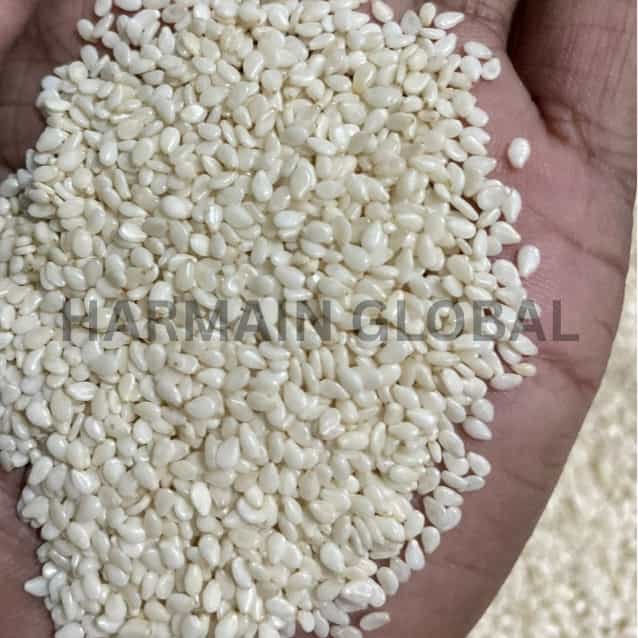
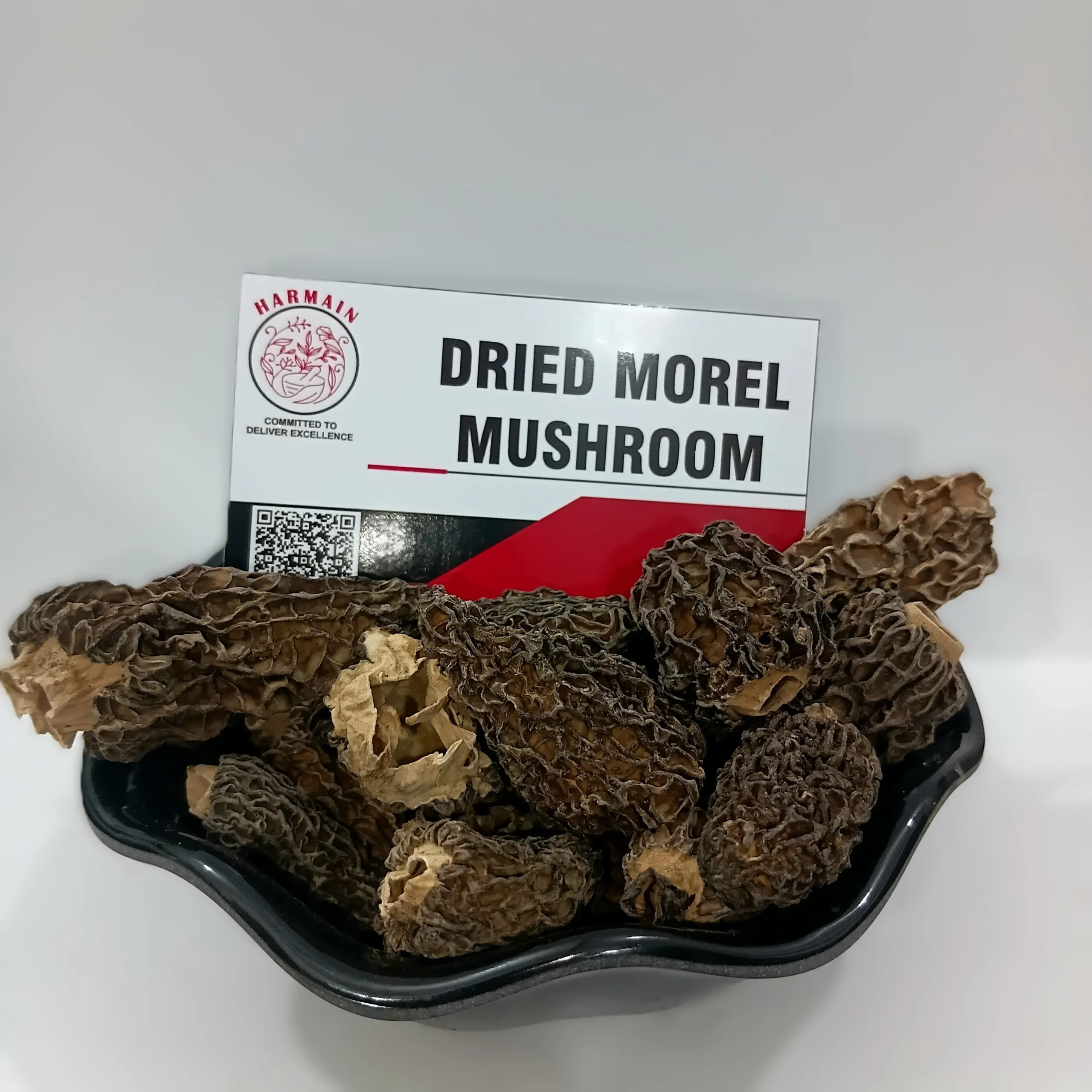
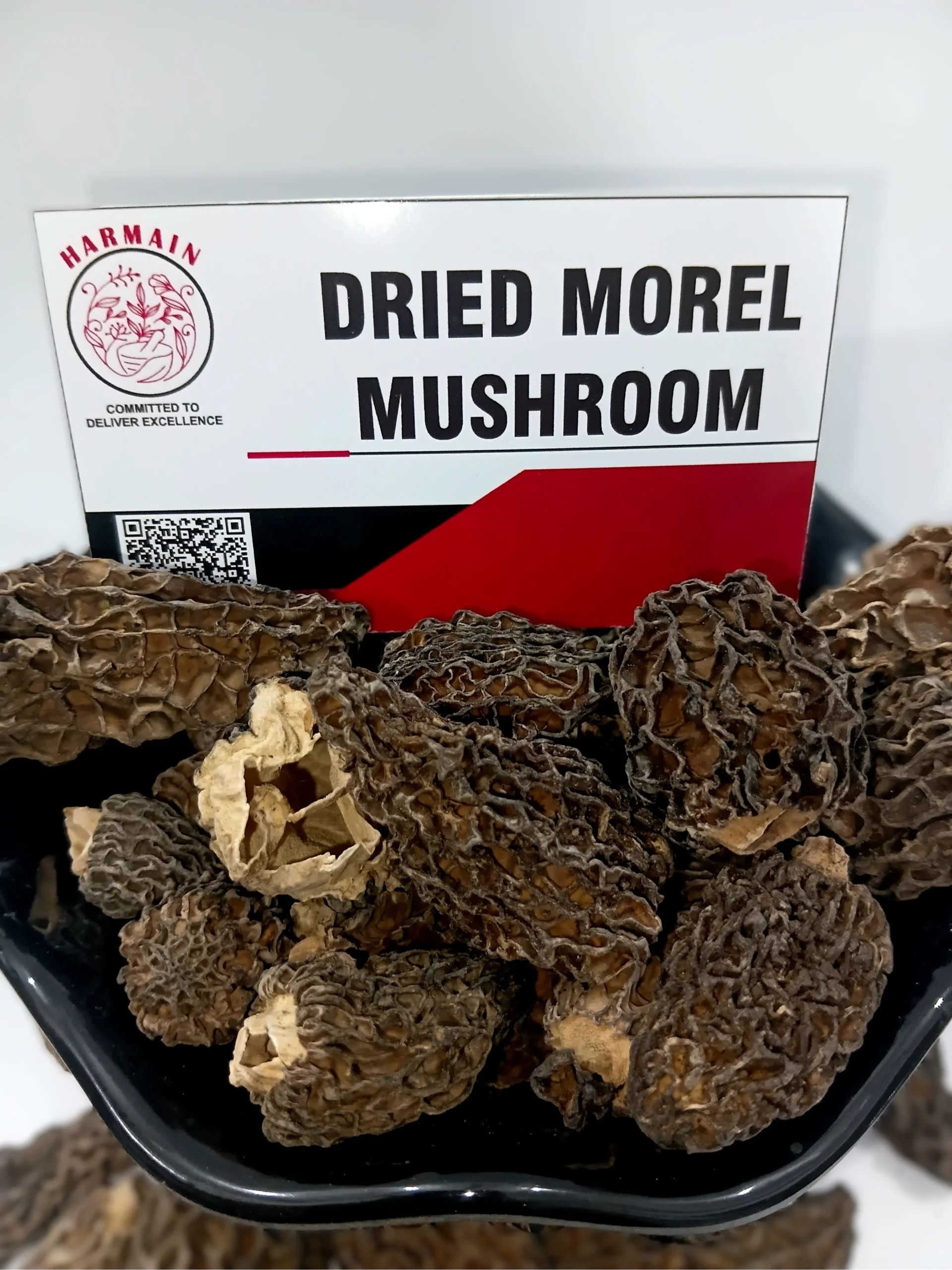
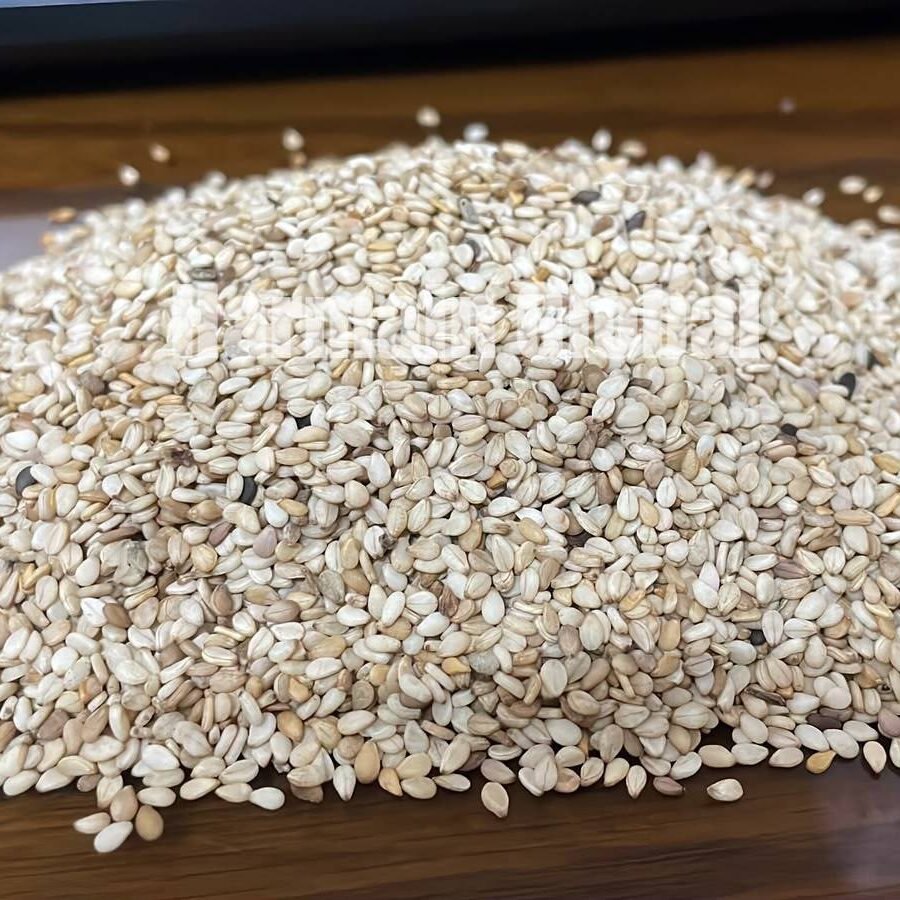
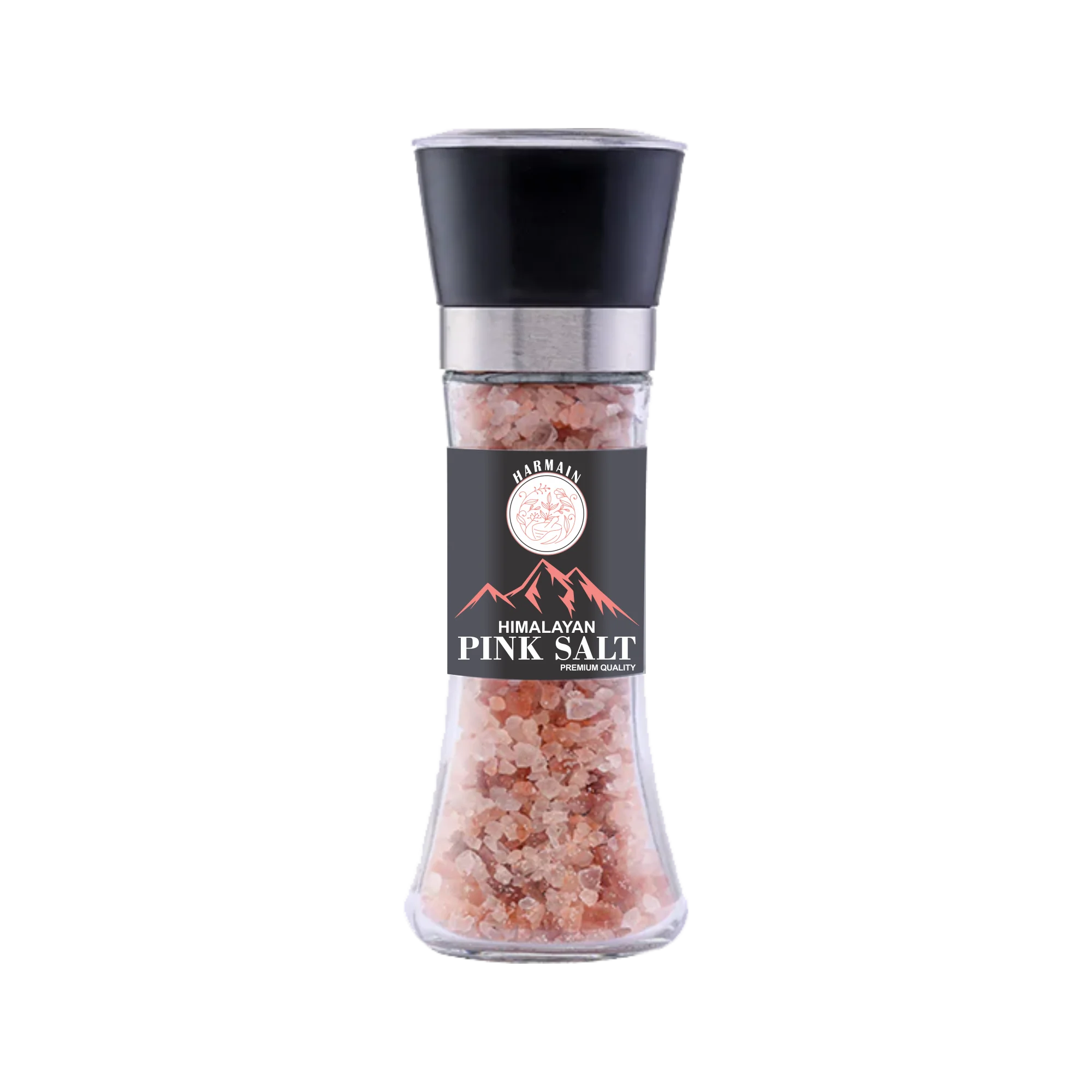




Two Layers of Approval
GACC Decree 248 requires every overseas facility producing food for the Chinese market to be registered on the CIFER system before export — this covers nuts and seeds, oilseeds, edible grains, and plant-origin condiments, which is most of what's on this list. Registration gets tied to a specific HS-CIQ product code, so the registered scope has to match what's actually being shipped.
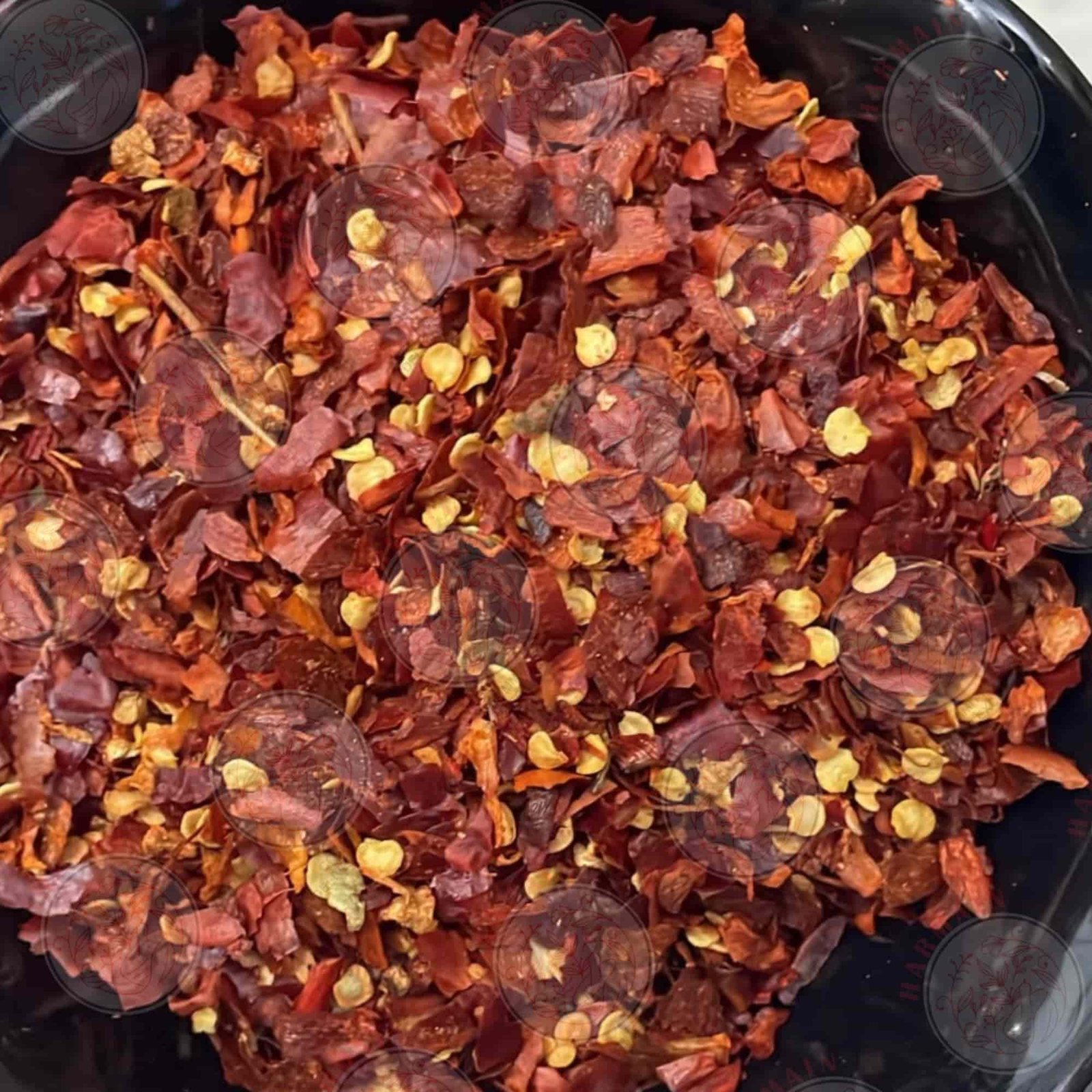
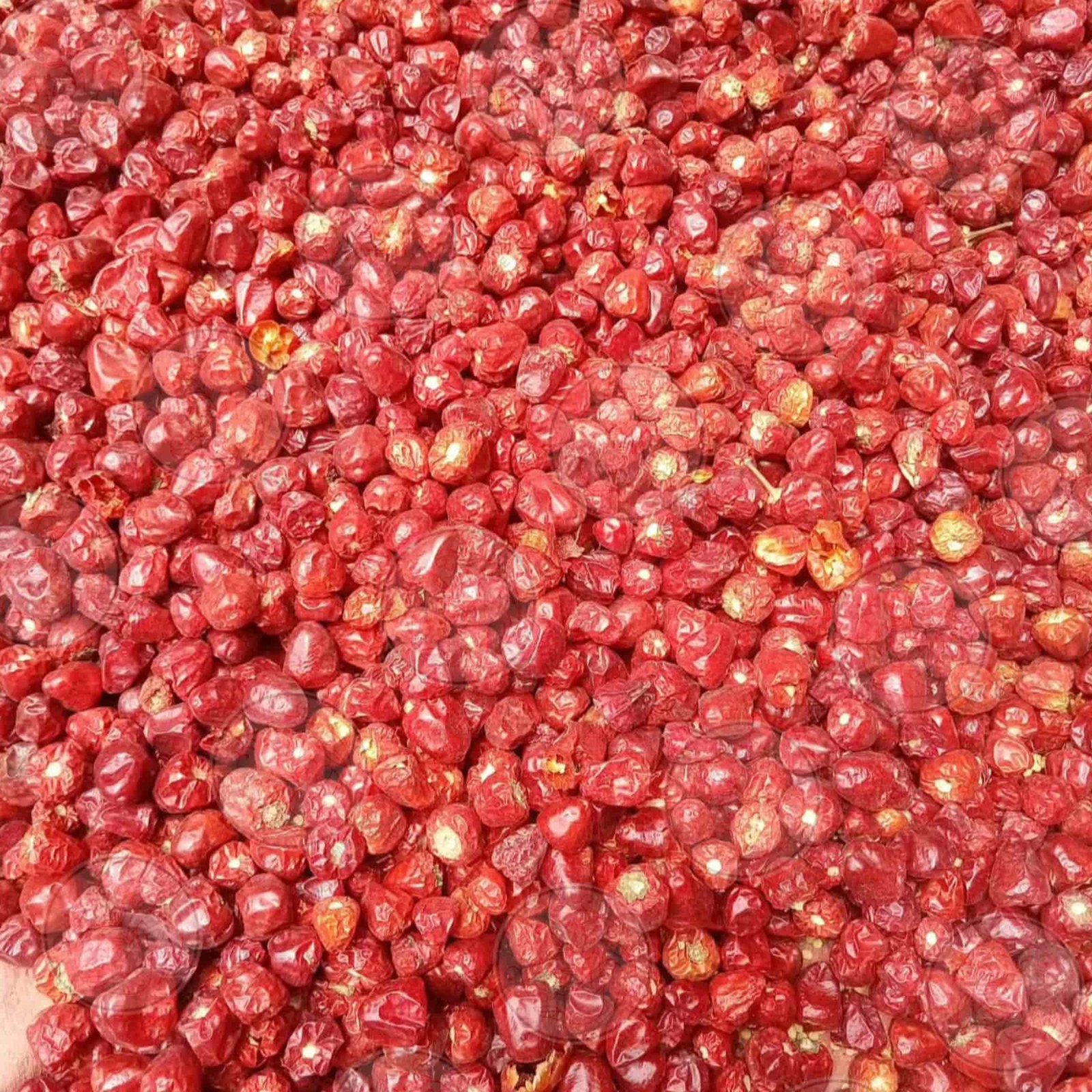
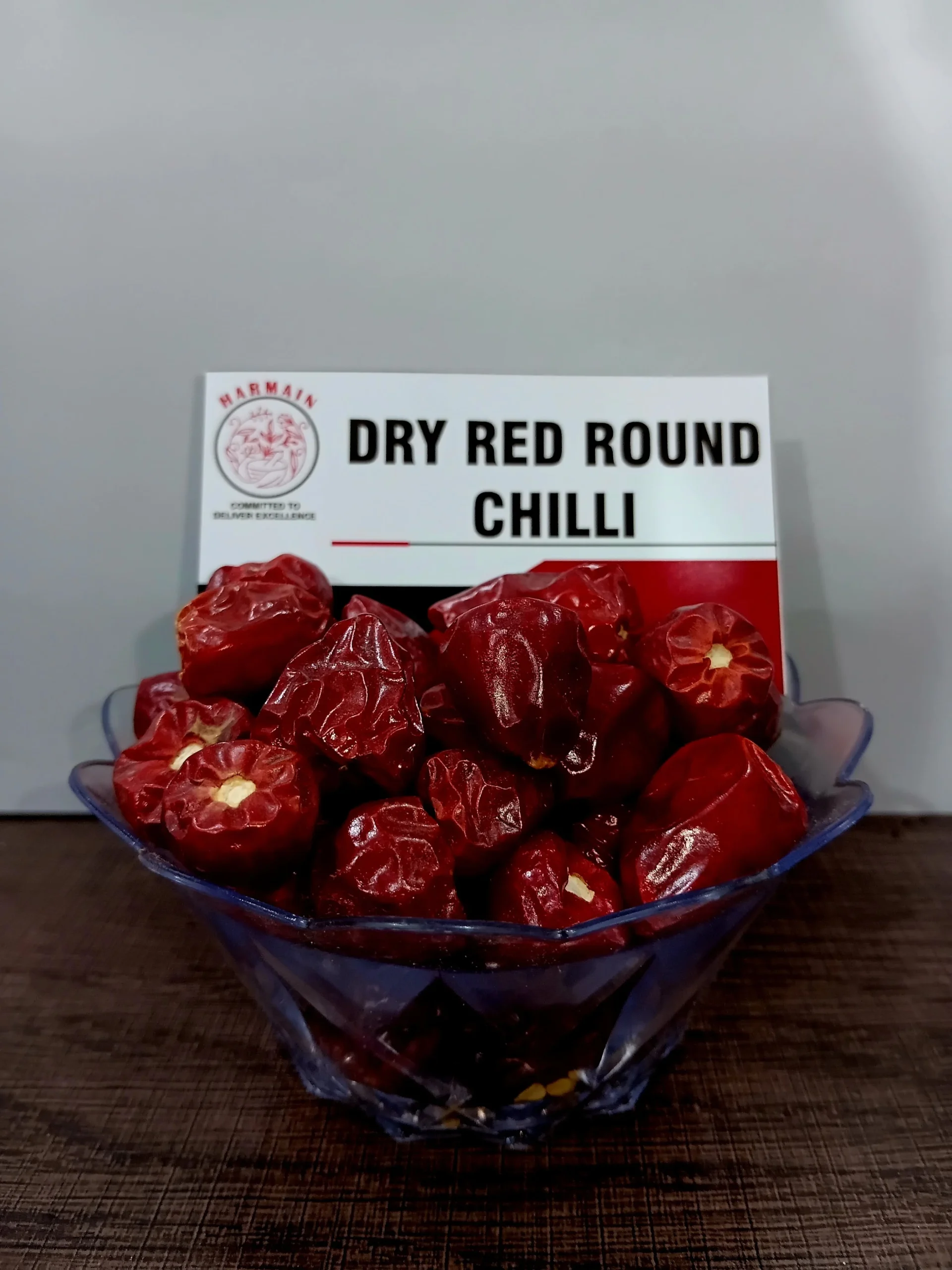
Separately, raw agricultural commodities need to clear China's plant quarantine process, run by the Department of Animal and Plant Quarantine (DAPQ) under GACC. This is where approval is granted species by species rather than blanket-covering "spices" or "seeds" as a category. Dried chilli is the clearest example: Capsicum annuum from Pakistan only became eligible for the Chinese market in August 2023, under GACC Announcement No. 96 of 2023, which required phytosanitary certification carrying a specific additional declaration, dual registration of the growing base and the processing facility, Chinese-language packaging, and sealed-container handling. That protocol doesn't automatically extend to other plant species — each one needs its own confirmed quarantine listing.
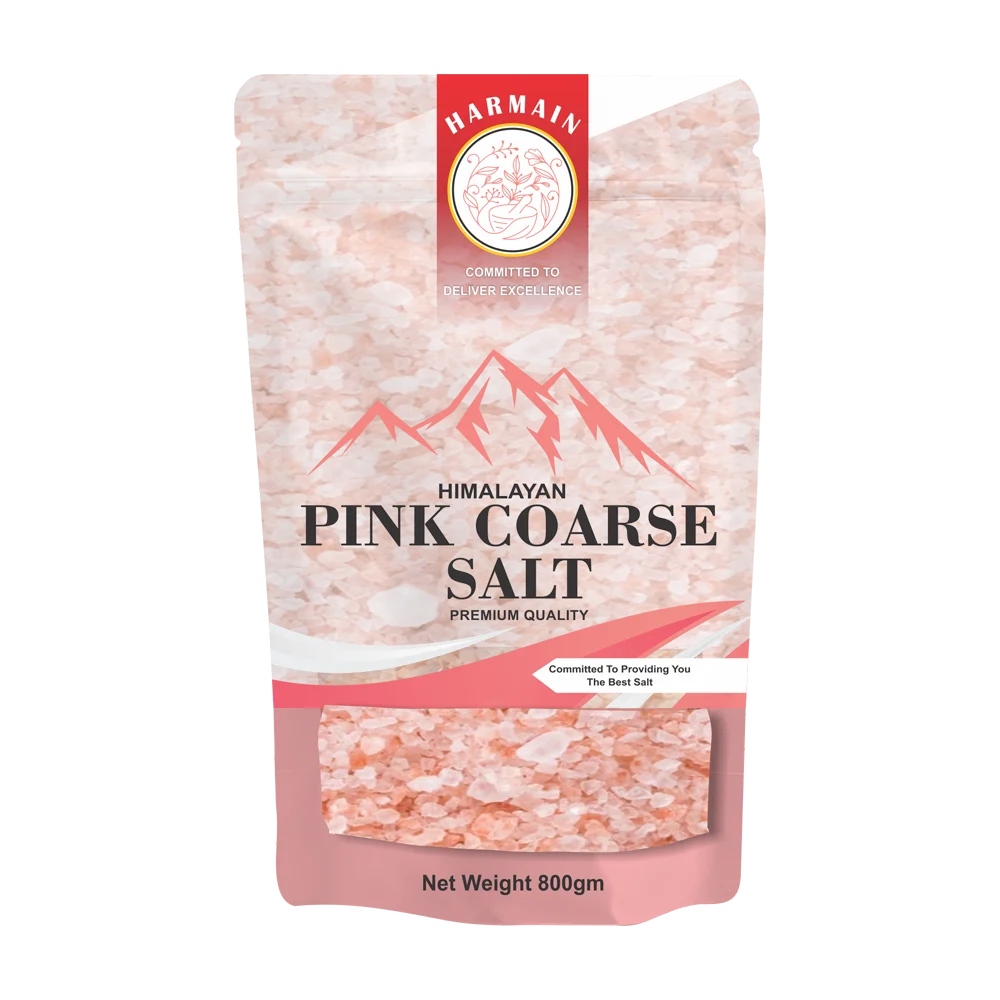
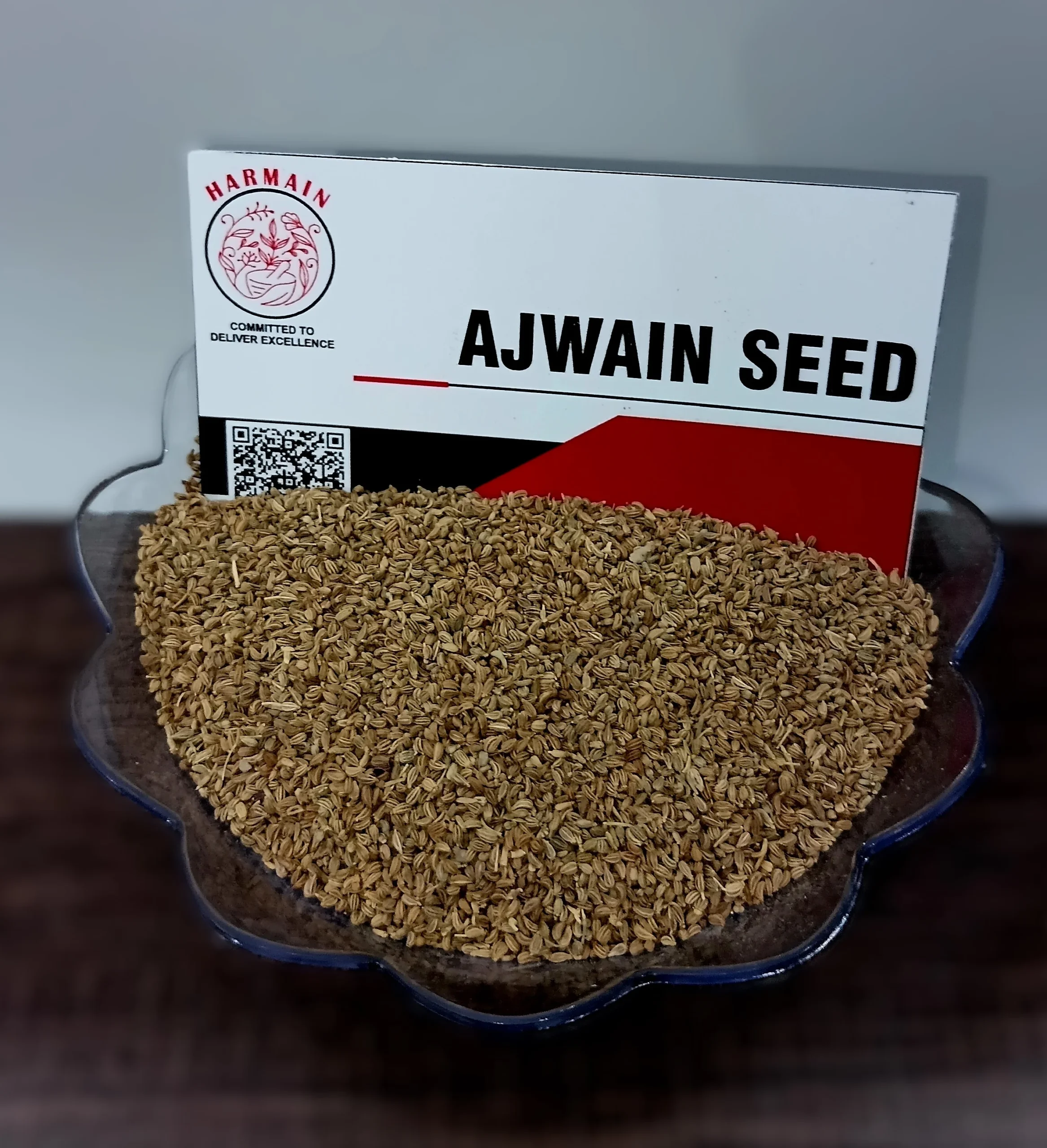
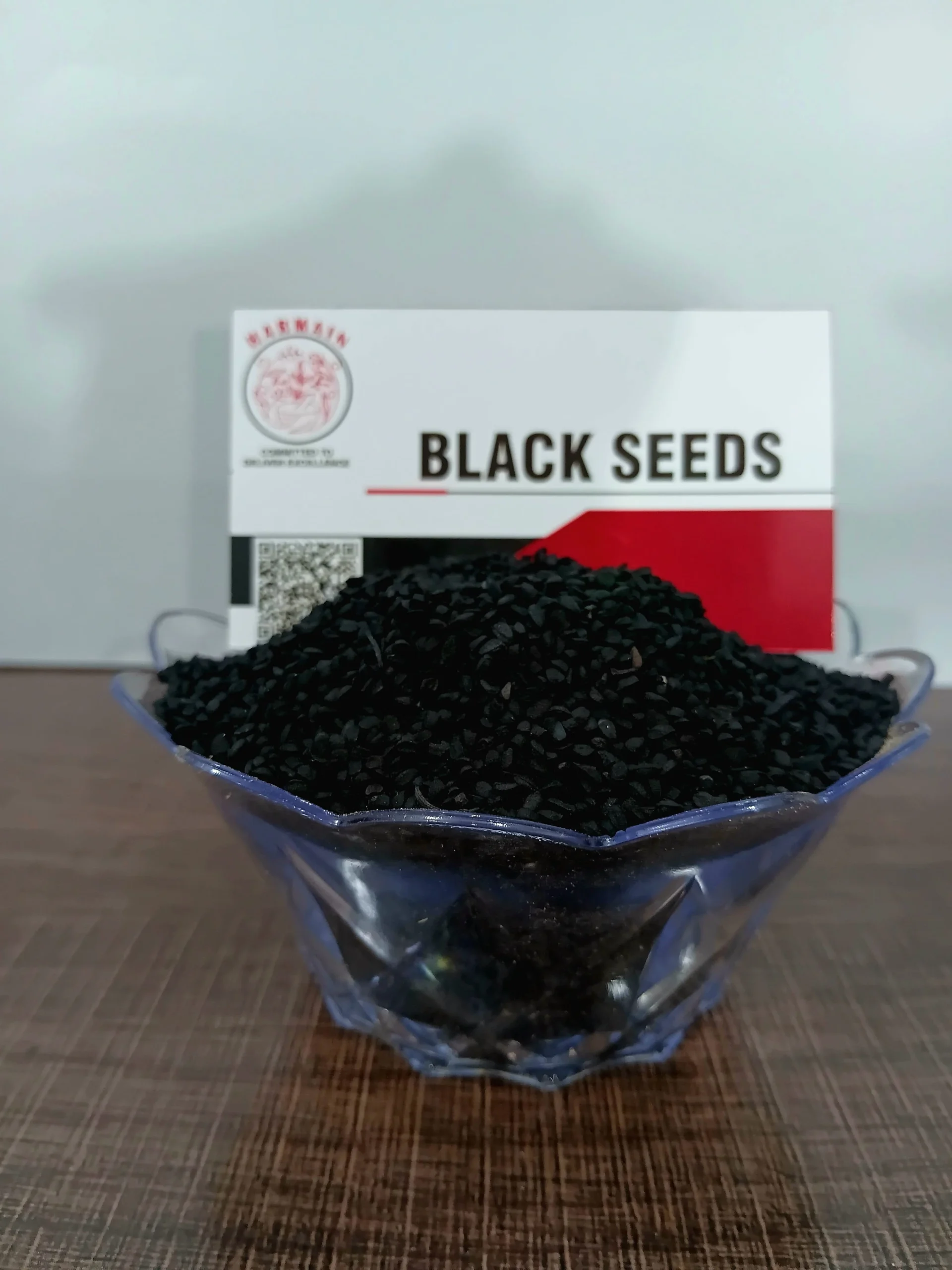
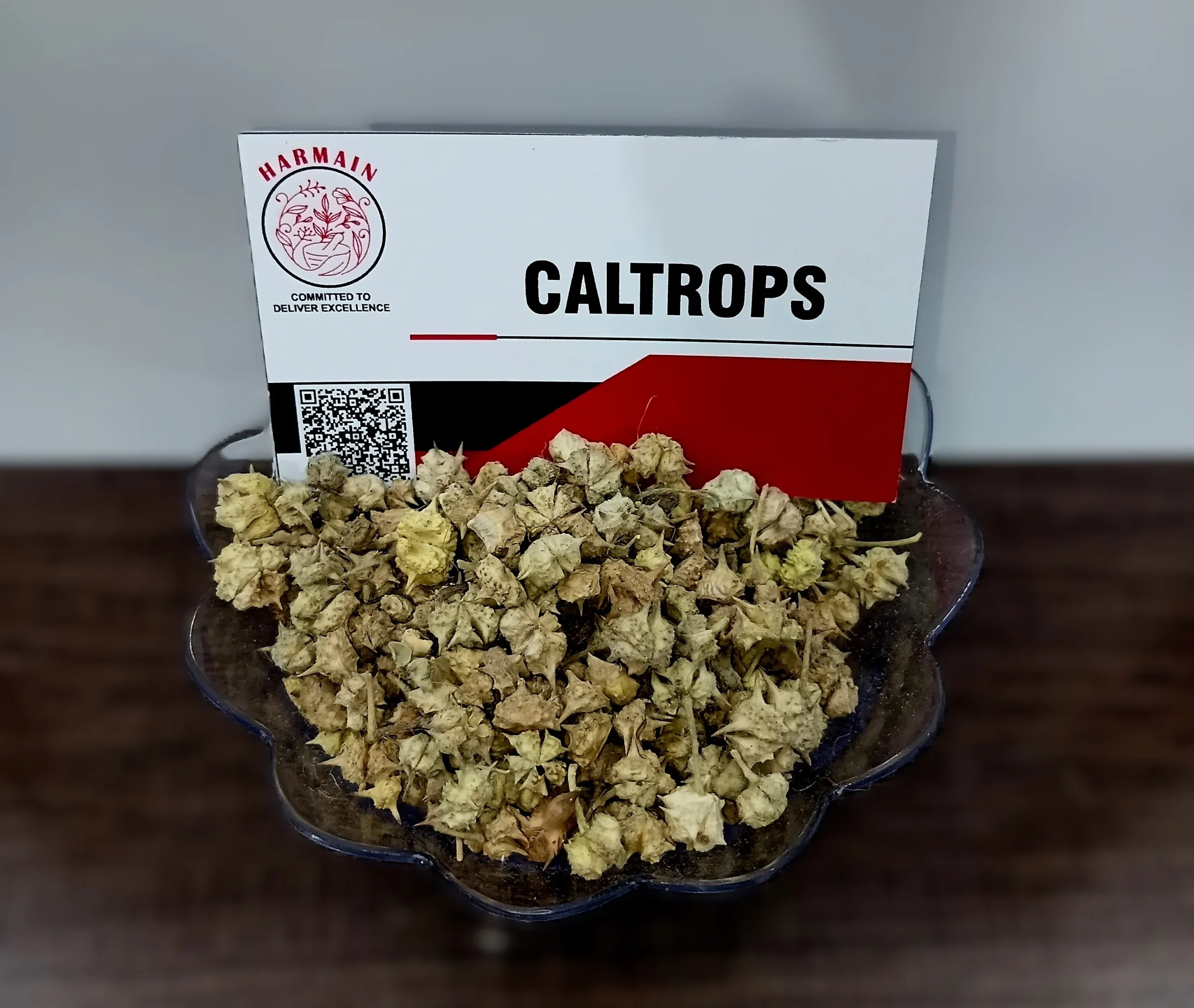
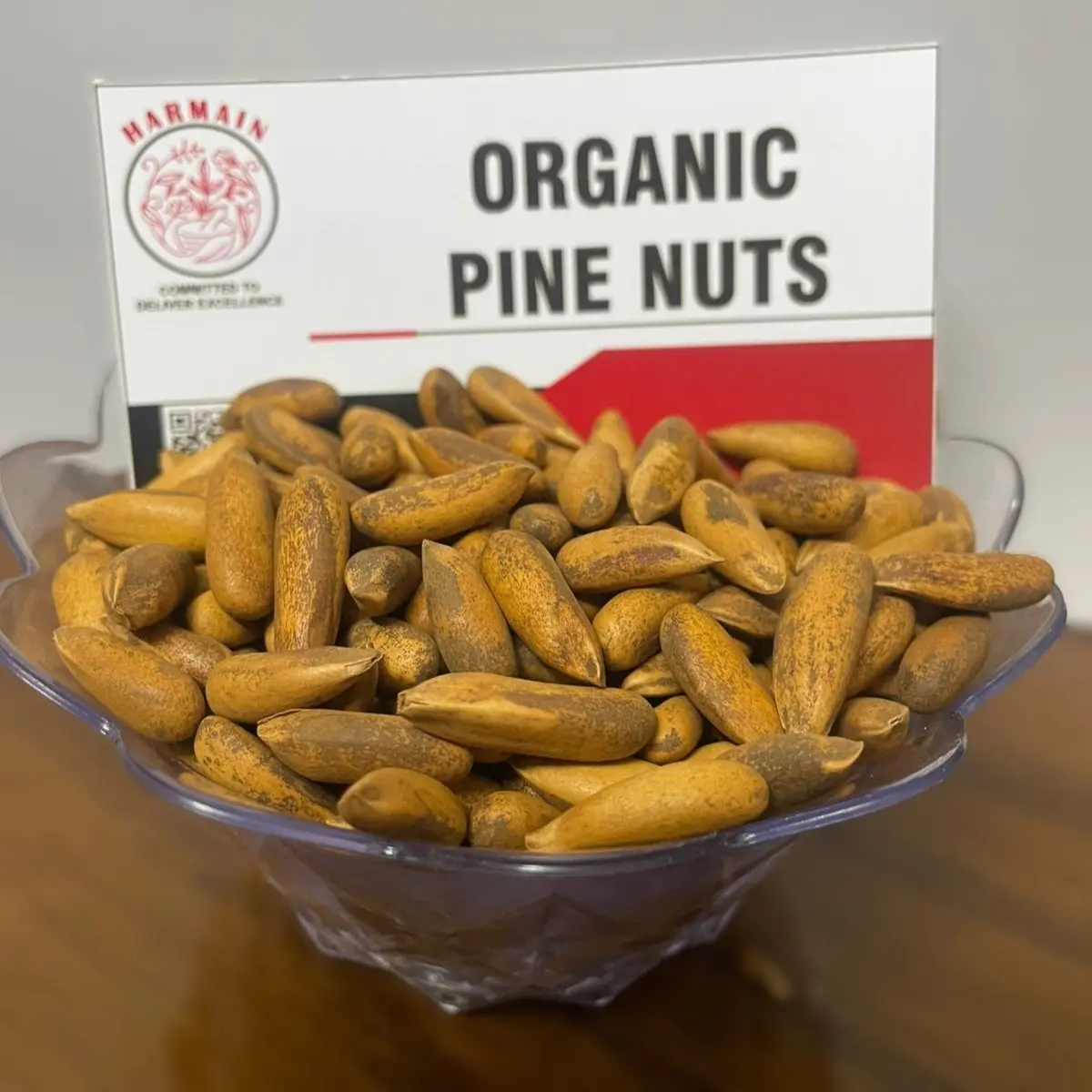
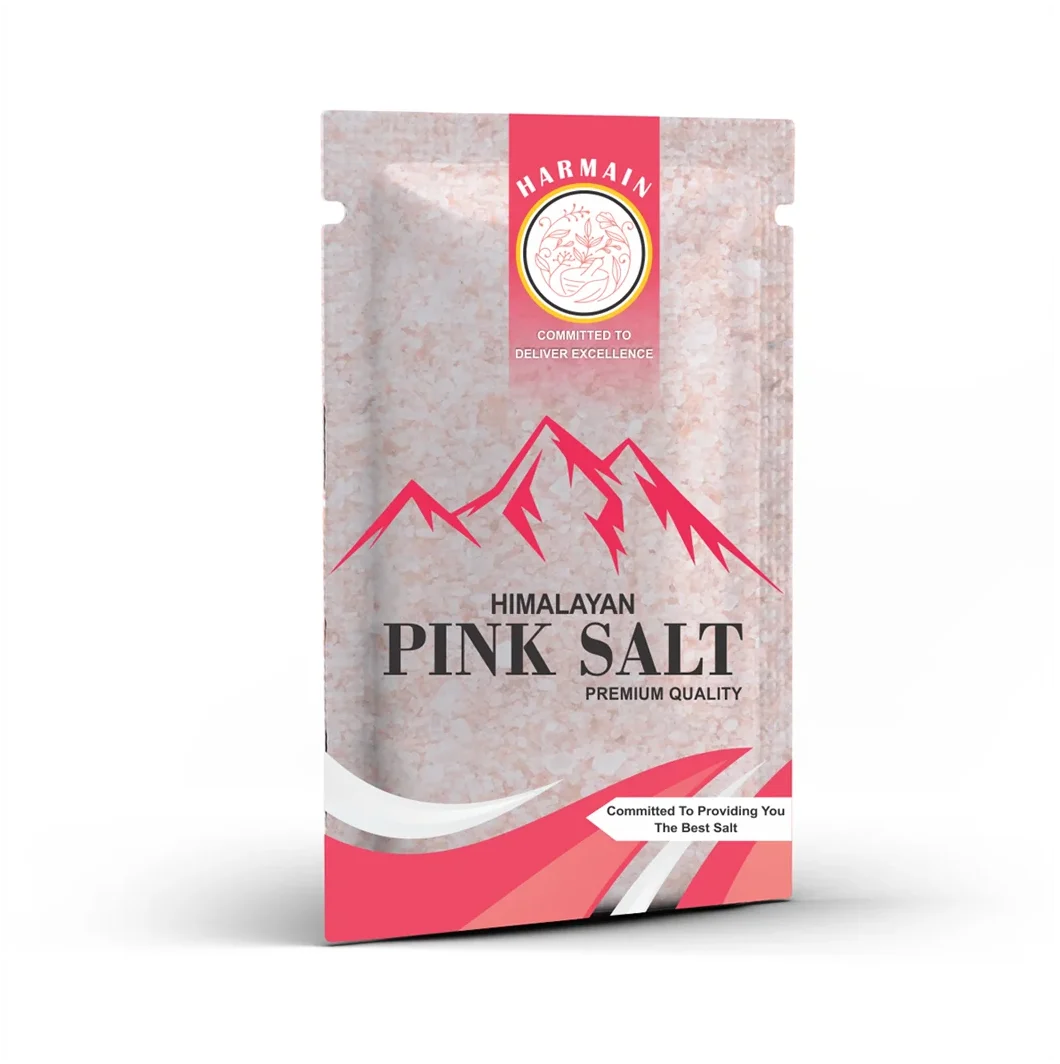
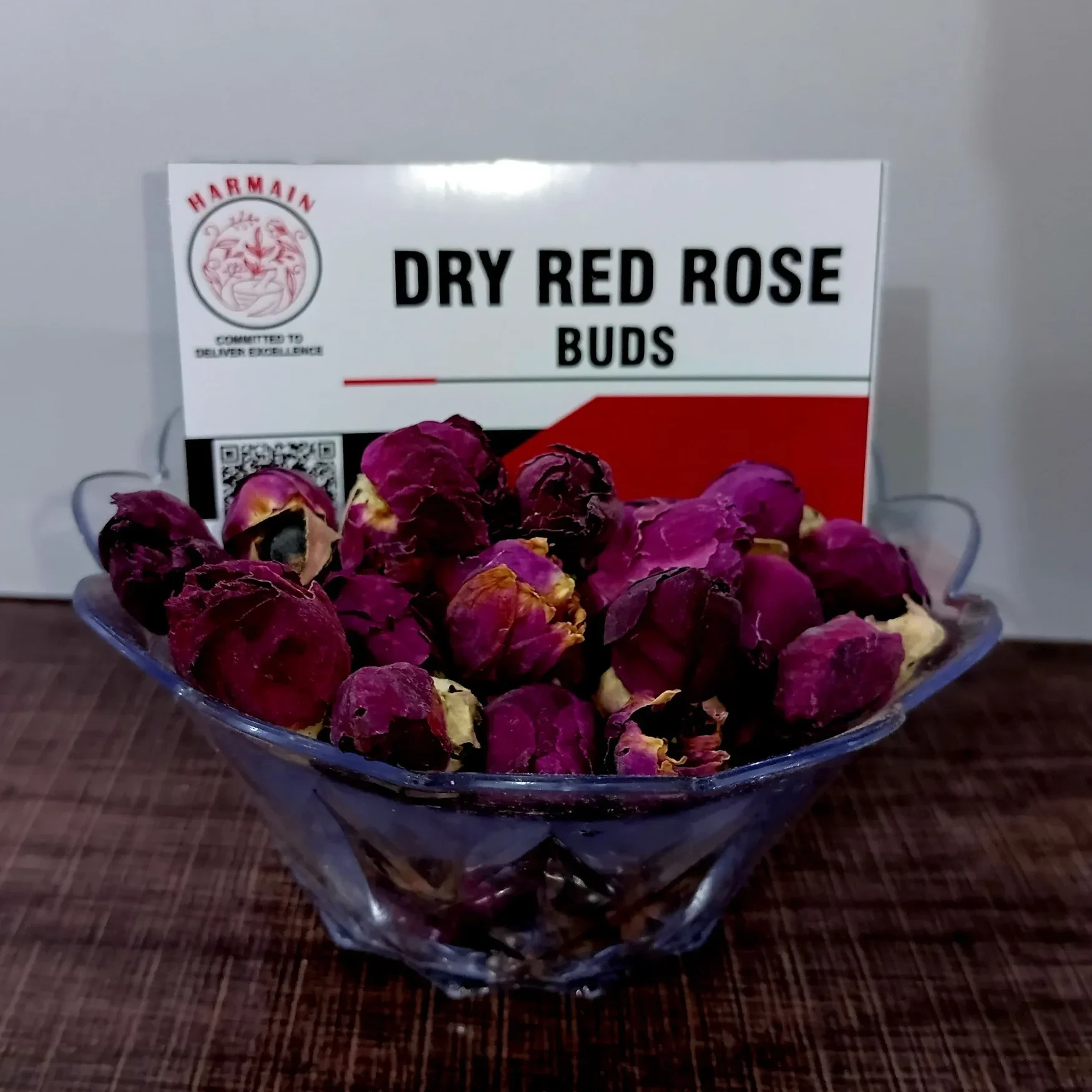
Rice and sesame are the two lines with the clearest evidence of an established lane: as of late 2025, Pakistan had more than 100 GACC-registered rice exporters and over 180 registered sesame seed processors shipping directly into China. Himalayan pink salt and pine nuts have a different kind of foothold — both are already being sold to Chinese consumers through e-commerce platforms including Douyin, JD.com, and Tmall, which points to an active retail channel rather than only a bulk trade one. For the remaining lines — black seed, licorice, rose, dried morel mushrooms, sea buckthorn, ajwain — quarantine and facility registration status should be confirmed against the current GACC list before a shipment is contracted, since that status isn't something to assume from the product category alone.
Documents at a Glance
| Document | Rice & sesame (established lane) | Dry red chilli (protocol-specific) | Other plant-origin lines | Himalayan pink salt |
|---|---|---|---|---|
| Commercial invoice & packing list | Yes | Yes | Yes | Yes |
| Certificate of origin | Yes | Yes | Yes | Yes |
| GACC facility registration (CIFER) | Yes — widely held | Yes | To be confirmed | Not applicable |
| Phytosanitary certificate | Yes | Yes, with protocol-specific declaration | Yes, subject to quarantine listing | Not applicable |
| Dual growing-base/facility registration | Not required | Yes | To be confirmed | Not applicable |
| Chinese-language labeling | Standard practice | Mandatory | To be confirmed | Common for retail/e-commerce |