
Leading Pakistani Rice Exporter
We Take it From Farm to Your World Market
Why Harmain Global is Your Reliable Basmati Rice Exporter in Pakistan
Harmain Global, headquartered in Pakistan and established in 1985, has been providing high-quality Pakistani rice for export to the Middle East, Africa, Europe, and Asia. When you buy Pakistani rice, you require quality assurance, full documentation, and seamless delivery to safeguard your business reputation. Pakistan is the world’s largest exporter of basmati rice in bulk. Our 1121 Basmati Exporter status relies on exclusive working relationships with certified mills from Punjab and Sindh; the regions running through the Indus River produce perfect conditions for extra-long grain products. As one of the reliable Basmati Rice Exporters, we never leave any space for quality compromise, export documentation, or delivery schedule.

BASMATI RICE PRODUCTS
 Quick View
 Quick View
 Quick View
 Quick View
 Quick View
- Quick View
- Quick View
- Quick View


SUPER KERNEL BASMATI PRODUCTS
 Quick View
 Quick View
 Quick View
 Quick View
 Quick View


IRRI RICE PRODUCTS
- Quick View
 Quick View
 Quick View


"Products Offered In Private Labeling"
Harmain Global was established with a clear vision to deliver premium agricultural products to both local and international markets. Within a short span of time, the company has grown into a trusted name, earning recognition for its quality standards, reliability, and strong presence in the export sector.
Frequently Asked Questions
From Punjab Fields to Your Warehouse: Our Complete Export Process
Stage 1: Direct Mill Partnerships and Procurement
We work exclusively with licensed rice mills meeting Pakistan’s Rice Exporters Association standards. These certified facilities have modern milling equipment, laboratory testing, and proper food safety certifications. Our procurement team regularly inspects storage conditions and equipment calibration.
For 1121 White Basmati Exporter requirements, we source from Gujranwala, Sheikhupura, and Hafizabad, where soil conditions produce the longest grains. Super Kernel Basmati Exporter varieties come from Muridke and Narowal regions. This geographic sourcing ensures authentic varietal characteristics, not mixed substitutes.

Stage 2: Quality Grading and Processing Selection
Rice undergoes strict grading at the mill. Our quality team inspects each batch for grain length, broken percentage, moisture content, and foreign material. For Long Grain Basmati Exporter clients, grain length must exceed 7.0mm. Broken grain percentage cannot exceed 5% for premium grades. Moisture content is controlled at 12 to 14%.
Processing options match your market requirements. 1121 Creamy Basmati Exporter varieties undergo parboiling for the golden color Middle Eastern markets prefer. Super Kernel White Rice Exporter varieties receive standard milling. Understanding why Pakistani rice is taking over global kitchens explains why processing standards matter.

Stage 3: Laboratory Testing and Certification
Every export batch receives comprehensive laboratory testing before shipment. We verify grain quality parameters, microbiological safety, and chemical residues that could cause customs rejection. Testing covers grain length measurement, broken grain percentage, moisture content, chalky grain identification, and foreign material screening.
For Organic Basmati Exporter and Organic Rice Exporter shipments, we coordinate with Pakistan’s organic certification bodies. Microbiological testing screens for total plate count, yeast and mold, E.coli, and Salmonella. Chemical analysis checks for pesticide residues, heavy metals, and aflatoxins.
We work with SGS Pakistan and Intertek for independent third-party certification providing certificates that customs authorities worldwide accept without question.

Stage 4: Export-Grade Packaging for International Transport
Our packaging system protects grain quality throughout sea transport. Standard packaging uses new polypropylene bags (25kg, 40kg, or 50kg) with heat-sealed moisture-proof closures. For Brown Basmati Exporter and Super kernel brown basmati rice exporter orders, we use additional moisture barriers.
Private label customers receive custom printing with brand name, nutritional information, and cooking instructions. Each bag carries net weight, batch number, packing date, expiry date, and contact information for complete traceability.
Container loading follows international best practices with proper ventilation spacing, thorough cleaning, fumigation, and humidity control materials.

Stage 5: Complete Export Documentation Package
Every rice export order includes complete documentation prepared by our experienced export department. The commercial invoice details what you are importing with proper HS codes and declared values. Our Basmati Rice Exporter invoices meet all customs requirements.
Certificate of Origin confirms rice genuinely comes from Pakistan. Phytosanitary Certificate certifies freedom from plant pests and diseases. Quality certificates from SGS or Intertek provide independent verification. Packing List matches the physical shipment. Bill of Lading serves as title document for your cargo.
For specific destinations, we arrange fumigation certificates, non-GMO declarations, halal certificates, and any specialized documentation your regulations require.

Stage 6: Shipping and Delivery to Your Port

Rice Export Specifications Meeting International Standards
1121 Basmati Rice Export Specifications
Our flagship Extra Long Grain Basmati variety sets the standard for premium rice exports.
Available Processing Types:
- Extra Long Grain Basmati 1121 White
- Extra Long Grain Basmati 1121 Steam
- Extra Long Grain Basmati 1121 Creamy
- Extra Long Grain Basmati 1121 Creamy Sella
- Extra Long Grain Basmati 1121 Creamy Parboiled
- Extra Long Grain Basmati 1121 White Silky Polished
- Extra Long Grain Basmati 1121 Steam Silky Polished
- Extra Long Grain Basmati 1121 Creamy Silky Polished
Technical Specifications:
Average grain length: 8.3 to 8.4mm (pre-cooked)
Broken grains: Maximum 5% premium, 7% standard
Moisture content: 10%
Damaged/discolored grains: Less than 1%
Purity: Minimum 95%
Super Kernel Basmati Rice Export Specifications
Super Kernel Basmati Exporter varieties offer excellent value for markets wanting shorter-grain basmati.
Available Processing Types:
- Super Kernel Basmati White
- Super Kernel Basmati White Silky Polished
- Super Kernel Basmati Creamy
- Super Kernel Creamy Rice Exporter varieties
- Super Kernel Basmati Creamy Sella
- Super Kernel Basmati Creamy Parboiled
- Super Kernel Basmati Creamy Silky Polished
- Super kernel brown basmati rice exporter
Technical Specifications:
Average grain length: 7.0 to 7.5mm (pre-cooked)
Broken grains: Maximum 5% premium, 7% standard
Moisture content: 10%
Aroma: Distinctive basmati fragrance retained
IRRI Rice Export Specifications
Long Grain IRRI Rice Exporter services provide economical rice for bulk buyers.
Available Varieties:
- Long Grain IRRI-9/C-9 White
- Long Grain IRRI-9/C-9 White Silky Polished
- IRRI White Rice Exporter bulk grades
Technical Specifications:
Average grain length: 6.0 to 6.6mm
Broken grains: 1-5% depending on grade
Moisture content: 10% maximum
High cooking yield
PK-386 Rice Export Specifications
Long Grain PK-386 Rice Exporter and PK 386 Rice Exporter varieties bridge premium basmati and economical IRRI.
Available Processing:
Technical Specifications:
Average grain length: 6.8 to 7.2mm
Broken grains: Maximum 5% premium grade
Moisture content: 10%
Mild aroma characteristics
Specialty Rice Export Varieties
Jasmine Rice Exporter services for markets wanting Thai-style aromatic rice. Kainat Basmati Exporter specialty grade for premium retail. Brown Rice Exporter and Brown Basmati Exporter varieties for health-conscious markets.
Quality Assurance How We Guarantee Export Excellence
Our Testing and Certification System
Every batch undergoes complete testing protocol before export approval. Physical quality testing uses calibrated digital equipment to verify grain length, broken grain percentage, moisture content, and foreign material. Microbiological testing screens for total plate count, yeast and mold, E.coli, and Salmonella. Chemical analysis tests for pesticide residues, heavy metals, and aflatoxins.

International Certification Partners

Export Compliance and Licensing

Understanding the Difference: Basmati vs Jasmine Rice
International rice buyers often ask about differences between premium aromatic varieties. Our comprehensive guide on basmati rice vs jasmine rice complete health and cooking guide covers cultivation origins, cooking methods, and nutritional profiles. Basmati offers longer grains and cooking properties Middle Eastern and South Asian consumers prefer. Jasmine provides sticky texture appealing to Southeast Asian markets. As both a Basmati Rice Exporter and Jasmine Rice Exporter, we supply either variety.

Why International Buyers Choose Harmain Global
Consistent Quality Through Mill Partnerships: We closely monitor our suppliers, and all quality material is delivered to us directly from the mill. Third-party testing verifies every batch.
Complete Export Documentation: All certificates, test reports, and customs documents done right and on time.
Reliable Supply Throughout the Year: Long-term relationships with multiple mills guarantee a constant supply, no matter what inconsistencies may be affecting local harvests.
Professional Communication: Questions answered in hours. Problems solved proactively. We talk when you want to discuss business.
Competitive Export Pricing: Mill direct partnerships reduce middleman markup. You’re paying for quality and service, not wasteful overhead.
Flexible Packaging Options: Whether it is a 50 kg bulk pack or your own private label retail packaging, we cover all your market needs.
Established Track Record: Four decades of uninterrupted deliveries in the Middle East, Africa, Europe, and Asia have earned our customers’ trust.

From Farm to Fork: Our Rice Export Journey
Step 1: Contracted Farming in Prime Growing Regions
Pakistani rice farming concentrates in Punjab and Sindh where the Indus River provides ideal water management. The 1121 White Basmati Exporter supply comes from Gujranwala, Sheikhupura, and Hafizabad. Super Kernel Basmati rice exporter varieties grow in Muridke and Narowal. Long Grain IRRI Rice Exporter supplies come from Sindh province.
Step 2: Harvest and Post-Harvest Handling
Rice harvest occurs twice yearly. Kharif crop (main season) harvests October through December. Rabi crop harvests March through May. Paddy is transported to mills within 24 to 48 hours to prevent moisture buildup.
Step 3: Milling and Processing
Licensed mills transform paddy to polished rice through cleaning, dehusking, whitening, and sorting. For 1121 Creamy Basmati Exporter orders, parboiling occurs before milling, creating the golden color Middle Eastern markets prefer.
Step 4: Aging for Premium Basmati
True premium Long Grain Basmati Exporter grades require aging. Basmati is stored in climate-controlled warehouses for 6 to 12 months. During aging, moisture stabilizes, starch structure changes, and basmati aroma intensifies.
Step 5: Our Quality Control and Export Preparation
Our procurement team inspects rice against specifications. Only batches meeting our standards enter export inventory. Laboratory testing verifies quality. Export packaging is prepared. Documentation is compiled.
Step 6: Container Loading and Shipping
Approved batches transport to Karachi Port. Our logistics team coordinates with freight forwarders and shipping lines. Containers are cleaned, fumigated if required, and loaded under supervision.
Step 7: Delivery to Your Warehouse
Your cargo clears customs using our complete documentation package. From Indonesian importers receiving IRRI White Rice Exporter containers to Saudi distributors unloading shipments, our export process ensures rice arrives in the same condition.

Rice Export Varieties for Different Markets
Premium Retail Markets
Extra Long Grain Basmati varieties like 1121 White and 1121 Silky Polished serve premium retail in the Middle East, Europe, and North America. Kainat Basmati Exporter specialty grades and Super Kernel Silky Polished appeal to quality-conscious consumers.
Food Service and Catering
Super Kernel Basmati Exporter varieties and 1121 Steam grades perform excellently in restaurant applications. Long Grain PK-386 Rice Exporter varieties are perfect for mid-market restaurants.
Bulk Institutional Buyers
Long Grain IRRI Rice Exporter varieties serve institutional catering, military contracts, food aid programs, and industrial processing.
Health-Conscious Markets
Brown Rice Exporter and Brown Basmati Exporter services target health food stores and organic retailers. Super kernel brown basmati rice exporter supplies maintain the bran layer for maximum fiber.
Middle Eastern Markets
1121 Creamy Basmati Exporter and Super Kernel Creamy Rice Exporter varieties dominate GCC and Levant markets with their golden color and firmer texture.

Export Certifications: Meeting Global Standards
Food Safety Certifications
.
Halal Certification
Organic Certification
Phytosanitary and Health Certificates
Third-Party Inspection Certificates

Flexible Payment Terms for International Buyers
Letter of Credit (L/C)
Advance Payment
Documentary Collection
For medium orders, documentary collection (D/P or D/A) provides middle ground between L/C formality and open account trust.
Open Account Terms

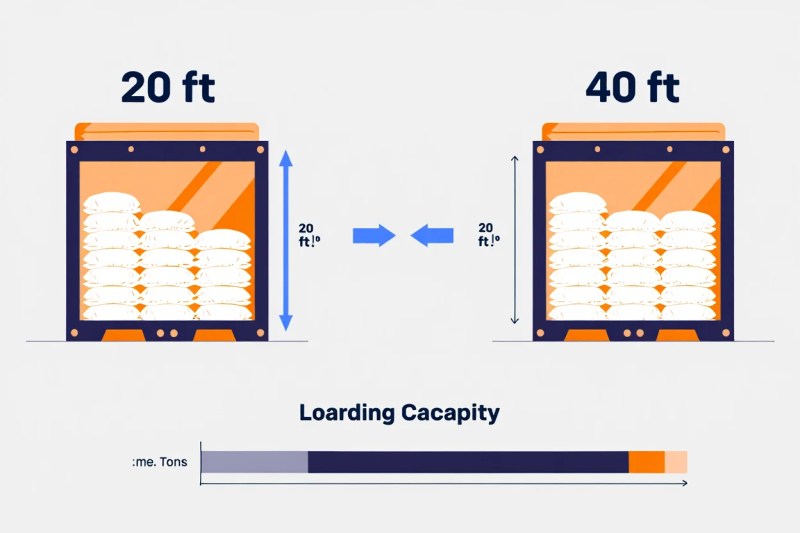
Container Loading Capacity: Planning Your Orders
20-Foot Container:
- Capacity: 24 to 26 metric tons
- Ideal for: Trial orders, monthly reorders
- 50kg bags: 480 to 520 bags
- 25kg bags: 960 to 1,040 bags
40-Foot Container:
- Capacity: 50 to 54 metric tons
- Ideal for: Quarterly orders, bulk buyers
- 50kg bags: 1,000 to 1,080 bags
- 25kg bags: 2,000 to 2,160 bags
We arrange mixed container loading with different varieties. Example: 40-foot container with 20MT 1121 White Basmati, 15MT Super Kernel Sella, and 15MT IRRI-9 White.
Rice Nutrition: Fueling Your Body Right
Understanding rice nutrition facts helps make informed dietary choices. Rice calories vary by type: one cup of cooked white rice contains approximately 205 calories, while brown rice provides about 216 calories with significantly more nutrients. The rice nutrition profile includes carbohydrates as the primary macronutrient, moderate protein levels, and minimal fat content.
Rice vitamins include B-complex vitamins, particularly thiamine, niacin, and folate in brown rice varieties. Rice protein provides essential amino acids, though it’s not a complete protein on its own. What rice contains beyond basic macronutrients includes minerals like manganese, selenium, and magnesium, especially in less processed varieties.
The question “are rice gluten free” has a definitive yes answer, making rice an excellent choice for those with celiac disease or gluten sensitivity. Rice benefits extend beyond nutrition to include easy digestibility, sustained energy release, and versatility in preparation methods.

Rice for Beauty and Wellness
The beauty world has rediscovered ancient secrets of rice water for skin care. Rice water contains vitamins, minerals, and amino acids that benefit both skin and hair. How rice water works on face involves its natural enzymes brightening skin tone while providing gentle hydration.
Rice water for hair has gained popularity for its strengthening properties. The question “can rice water grow hair” is answered through its amino acid content, which may support hair protein structure. How rice water works on hair involves coating strands with protective proteins while adding shine.
Rice face mask preparations combine ground rice powder with various ingredients for different skin benefits. Rice mask benefits include gentle exfoliation, oil absorption, and skin brightening. Rice hair mask treatments using fermented rice water provide deep conditioning benefits.
Rice toner preparations use rice water’s natural astringent properties to minimize pores and balance skin pH. Rice face wash products incorporate rice enzymes for gentle cleansing without stripping natural oils. Rice serum formulations concentrate these benefits into potent anti-aging treatments.

Rice and Health Considerations
Addressing concerns about rice disadvantages provides balanced perspective. Why rice is bad for you arguments typically cite its carbohydrate content and potential arsenic exposure in some regions. However, these concerns are manageable through variety selection and preparation methods.
Can rice increase cholesterol is generally not a concern, as rice contains no cholesterol and may actually support heart health when part of a balanced diet. How much rice should I eat daily depends on individual caloric needs, typically ranging from 1-3 servings as part of a varied diet.
The question “will rice make you constipated” relates primarily to white rice consumption. Choosing brown rice and maintaining adequate hydration helps prevent digestive issues. Are rice healthy depends on the variety chosen and preparation methods used.
Purity test rice methods ensure quality and safety, particularly important for rice exporters meeting international standards. These tests screen for contaminants, moisture content, and grain quality parameters.


Rice Comparisons: Making Informed Choices
Understanding comparative nutrition helps optimize dietary choices. The rice vs wheat debate reveals complementary benefits: rice offers easier digestibility and gluten-free properties, while wheat provides more protein and fiber in whole grain forms.
Rice or bread for weight loss depends on processing levels and portion sizes. Whole grain options of either provide better satiety and nutrition compared to refined versions. Rice or potatoes comparisons show rice containing more carbohydrates per serving, while potatoes offer more potassium and vitamin C.
Rice vs brown rice highlights processing differences: brown rice retains its nutritious bran layer, providing more fiber, vitamins, and minerals than white rice. Rice or wheat for diabetes considerations favor whole grain versions of either, with brown rice often having a lower glycemic index than whole wheat.
Creative combinations like rice and spice enhance both flavor and nutrition, while rice and chicken provides complete protein when combined. Rice and honey face mask preparations offer natural skincare benefits, combining rice’s gentle exfoliation with honey’s antimicrobial properties.
Your Next Steps to Reliable Pakistani Rice Supply
Step 1: Contact Our Export Team
WhatsApp/Phone: +92 333 2095256, +92 345 3629580, (022) 6119540
Email: harmainpk92@yahoo.com, info@harmainglobal.com
Tell us your intended use, quantity requirements, desired varieties, preferred packaging, destination port, and timeline.
Step 2: Request Samples for Quality Verification
Test samples in your laboratory, evaluate cooking characteristics, and review our communication standards. Samples ship via DHL or FedEx within 3 to 5 business days with certificates of analysis. Sample costs credit toward your first commercial order.
Step 3: Review Complete Specifications and Documentation
We provide specification sheets for all varieties, sample certificates, copies of export licenses, packaging options, and standard terms enabling informed decision-making.
Step 4: Place Your First Order
We prepare formal quotation including specifications, quantity, pricing (FOB Karachi or CIF), payment terms, and estimated shipping dates. After receiving your order and payment security, we coordinate stock allocation, quality inspection, documentation, and container booking with regular updates.
Step 5: Receive Your Shipment
Your container arrives with complete documentation ready for customs clearance. We provide advance notice with tracking details and assist your customs broker during clearance.
Step 6: Build a Long-Term Partnership
After successful first delivery, we transition from supplier to partner. Most customers establish quarterly or monthly ordering schedules. Long-term customers receive priority allocation, flexible payment terms, advance market notices, and first access to new products.

About Harmain Global: 40 Years of Export Excellence
Harmain Global began in 1985 when Pakistan’s rice export industry was developing. Today, we are recognized as one of Pakistan’s leading agricultural exporters. Our success comes from understanding international buyers need reliability, consistency, and partners who understand the stakes.
Our team includes export specialists, quality controllers trained in international food safety standards, logistics coordinators with shipping line relationships, documentation specialists understanding customs requirements, and procurement managers with deep knowledge of Pakistan’s rice regions and mills.
We operate from Hyderabad, Sindh, strategically positioned between Punjab’s rice mills and Karachi’s port enabling efficient coordination.
Office Address:
A/2786, Alam Chand Street, Tilak Incline
Hyderabad, Sindh, Pakistan
Contact Information:
WhatsApp/Phone: +92 333 2095256, +92 345 3629580
Office: (022) 6119540
Email: harmainpk92@yahoo.com, info@harmainglobal.com
Office Timings:
Monday to Saturday: 11:00 AM to 8:00 PM (PKT)
WhatsApp support available 24/7 for urgent inquiries
Connect With Us:
LinkedIn | Facebook | Instagram | Pinterest | Twitter

Our Commitment: Partnership Over Transactions
Quality Promise: Third-party verified testing of every batch. Specifications confirmed through laboratory analysis. International food safety standards maintained.
Supply Promise: Honest communication about product availability. Realistic delivery timelines. Proactive notification if delays occur.
Documentation Promise: All export documents prepared correctly and on time. Certificates from recognized international institutions. Compliance with destination country requirements.
Service Promise: Questions answered promptly during your business hours. Problems solved proactively. Professional communication respecting your business practices.
Long-Term Commitment: We are building relationships spanning decades, not chasing one-time transactions. Our business model depends on repeat customers, which is only possible through consistent quality delivery.

Ready to Experience Premium Pakistani Rice Exports?
Whether you are a rice importer, wholesaler, retailer, food service distributor, or industrial buyer, Harmain Global is your source for premium Pakistani rice exports.
For 40 years, we have built our reputation one shipment at a time. Every container leaving Karachi Port carries our commitment to quality, consistency, and partnership. When you select Harmain Global as your rice exporter, you are receiving 40 years of experience, relationships, and systems specifically designed to make international rice trade predictable and reliable.
Our customers across the Middle East, Africa, Asia, and Europe trust us because we eliminate supply chain disruptions, quality inconsistencies, documentation delays, customs complications, communication barriers, and payment security concerns.
Contact us today to discuss your rice requirements and discover why we are the trusted choice for rice importers, wholesalers, and distributors worldwide.
Harmain Global: Your Trusted Source for Premium Pakistani Rice Exports Since 1985
Committed to Deliver Excellence

