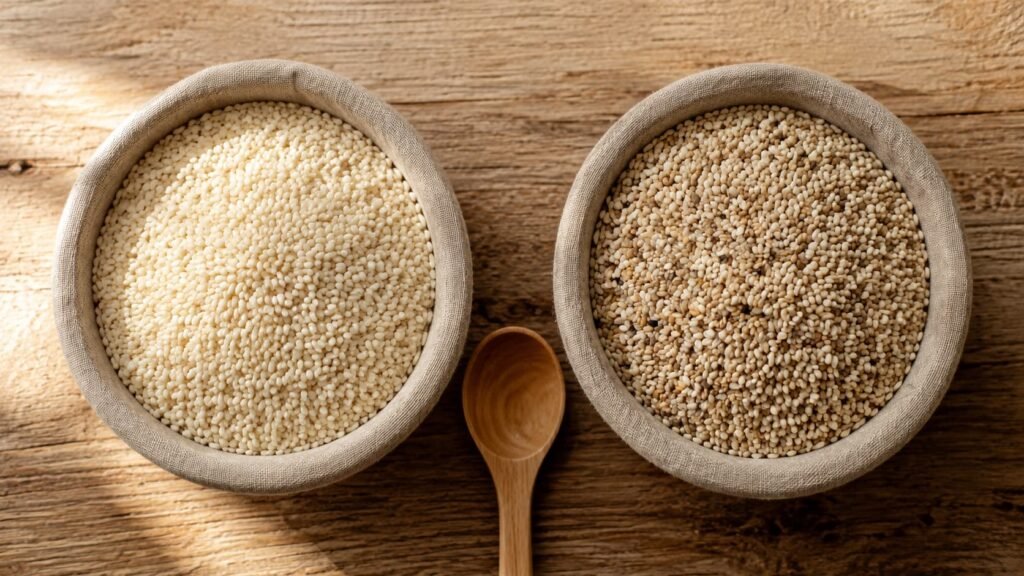
Sesame is okay but my batch of tahini goes wrong? 🌰 If you take away one of those questions that show up in the production manager’s inbox at the worst time, right after an entire run has gone through the stone mill and is now grainy instead of silky, or the color is darker and more bitter than the customer expects from a jar labeled premium tahini; finally packaged into jars that look like premium tahini without anyone realizing the primary ingredient was the problem! But most times it’s got nothing to do with freshness or supplier reliability. The problem boils down to one missing piece in the order, whether the seed was hulled or unhulled, because those two little words designate really different raw materials that just happen to have the same name.
The thing about sesame is it’s not a single spec in the way buyers might treat commodities like flour or sugar. When a buyer orders sesame seeds without a qualifier—so, ordering them to directly guess at which seed is needed—a mill doesn’t always supply the grade that the recipe requires. Getting it right the first time is why more manufacturers are engaging a hulled sesame seeds bulk supplier that asks all the right questions before the first sample ships.
Hulled sesame explained
Hulled sesame is a seed just like any other and, in fact, it goes through a process which removes the outer hull —the thin fibrous coating that provides the darker color and mildly bitter flavor of natural sesame. What remains is a smaller, paler sesame kernel with a markedly milder, sweeter taste and smoother mouthfeel. then it’s passed through sortex color sorting equipment afterwards to pull out any seeds that do not make the cut—clean white standard buyers expect.
That uniformity is not just a cosmetic preference, it is a functional requirement for a huge chunk of the food industry. Premium tahini makers prefer hulled sesame; it has a smoother, less bitter flavor which allows tahini to be creamy and balanced instead of harsh, and the very finely ground hulled seed gives good tahini its signature silky consistency (not gritty!). Bakeries also love it for the very same reason—a bagel or loaf of bread with hulled sesame on top looks pristine and uniform sitting on a shelf, and confectionery makers producing halva bars, sesame candy, and seed brittle require that identical hue and flavor so that the final product comes out tasting consistent time after time. So Buyers sourcing specifically for these applications are usually the ones asking for a genuine supplier relationship for sesame seeds used in tahini manufacturing rather than settling for whatever grade happens to be sitting in a warehouse.
Unhulled sesame explained
Unhulled sesame, which in commercial discussions can be referred to as natural sesame, retains the entire outer hull. And the outcome is a seed that, even when unroasted, looks and feels darker and more textured than its hulled cousin (the pearly white seed we normally see), has a bolder, earthier, toastier taste profile pre-roast and retains more of the calcium, dietary fiber and many micronutrients that reside in that outermost layer—since stripping the bran for hulled sesame strips away a real chunk of the seed’s mineral content along with it.
That nutritional density and bolder flavor are exactly why two very different buyer groups reach for unhulled sesame on purpose rather than by accident. Cold pressed oil producers care most about total oil yield and natural character rather than visual uniformity, which matters when 48 to 50 percent oil content is the number a presser is actually trying to hit. Traditional halva makers, especially the ones producing the darker, more rustic style of halva rather than the pale confectionery version, often prefer unhulled sesame specifically because the deeper flavor and coarser texture are part of what makes that style of halva taste authentic rather than generic. Buyers building either of these product lines are the ones who should be talking to a genuine sesame seeds for halva production partner rather than defaulting to whatever grade a hulled focused supplier happens to stock.
Neither version is the upgraded one and neither is the downgraded one, they are simply built for different jobs, and a supplier worth working with should be asking which job you are solving for before quoting a price, not after the container has already shipped.
The purity and safety numbers that actually matter
After sorting through the hulled or unhulled question, the next conversation for a buyer should be specs. Because sesame is one of those commodities that you need to tighten up the purchase order on because it creates real issues later on if you don’t. Oil producers need an oil content around 48 to 50 percent, while bakery and confectionery buyers may work to different oil-content specifications since visual and taste consistency are more important for them than squeezing every possible drop of oil. Purity is another specification buyers should define according to the intended end use, with many food-grade programs targeting 99% or higher, moisture content must be maintained and regulated to avoid mold formation while in transit, and any legitimate exporter should provide a laboratory report specifying a batch as opposed to just sending over a mocked-up spec sheet which gets circulated across each shipment.
For this reason, food safety testing should have its own line item in the purchasing specification. In 2020, Belgian food inspectors detected ethylene oxide – a substance not authorized for use as a food treatment in the EU — in seemingly innocent sesame shipments from India, at levels exceeding by far the legal residue threshold, prompting one of Europe’s largest food recall operations ever and ultimately affecting thousands of products across the bloc from bread and biscuits to chocolate and sesame oil. Salmonella contamination linked to sesame from the same region compounded the problem and reshaped how European buyers source this ingredient to this day, with mandatory pre export testing, official certificates, and border checks now standard for shipments from higher risk origins.
That transition has really opened up a door for suppliers that can substantiate clean sourcing, rather than make empty claims. Over the last few years Pakistan has become the third largest sesame exporter in terms of value, credited largely to the government backed National Oilseeds Enhancement Program that has supported significant growth in sesame cultivation and exports, with export value crossing one billion dollars per year. Much of that volume heads toward China, but European buyers seeking suppliers to complement more closely-monitored origins have turned even more towards Pakistan as part of the supplier mix, something which only works if the documentation supports it. Our export programs can provide Ethylene Oxide-free declarations, Salmonella testing results, and per-container laboratory verification where required, not a blanket assurance printed once and reused for every order. Buyers who ask for exactly this level of documentation are the ones working with a real Ethylene Oxide-free sesame supplier rather than taking a seller’s word for it.
The exporter who tests every batch before it’s sealed
This is precisely the standard Harmain Global has built its sesame operation around. Sourcing runs through contracted farms inside ontracted farms across Punjab and Sindh, with no synthetic pesticide or ethylene oxide fumigation used at any stage, and fields inspected before harvest rather than checked only once the seed reaches a warehouse. Raw seed goes through multi stage mechanical cleaning, destoning, and gravity separation before grading even begins, and both natural unhulled seed at 99 percent plus purity and sortex sorted hulled seed are available depending on what a buyer’s production line actually needs.
Packaging a full batch traceability and documentation on exactly the attributes that the food-safety and traceability requirements relevant to the destination market helps reduce the risk of documentation issues at the border why there is part of its order at the border. This is the kind of documented, batch tested relationship that avoids running a production from going sideways over a spec which should have been locked down in the first email; whether you are maintaining a food-grade sesame seeds bulk program for a bakery chain or sourcing raw material for a tahini or halva production line. Find out current sesame grades and specifications here — or read this (and contact us directly) if you would like to request lab reports, samples and pricing for your next order.
Ready to source hulled or unhulled sesame with real documentation behind it? Contact Harmain Global to request batch lab reports, sample orders, and pricing for tahini, halva, bakery, or oil pressing applications.
2 Responses
It’s fascinating how crucial the choice between hulled and unhulled sesame is in tahini production. During our client inspections, we frequently discover moisture issues that can lead to spoilage, affecting the final product’s quality. We always advise our property owners to monitor humidity levels closely in storage areas. Have you considered how moisture control might influence your tahini’s consistency?
Absolutely. Moisture control is a critical part of maintaining sesame quality, especially when consistency and shelf life are priorities in tahini production. Excess moisture can affect grinding behavior, texture, and storage stability. We always recommend keeping storage conditions tightly controlled and monitoring moisture from receiving through processing.