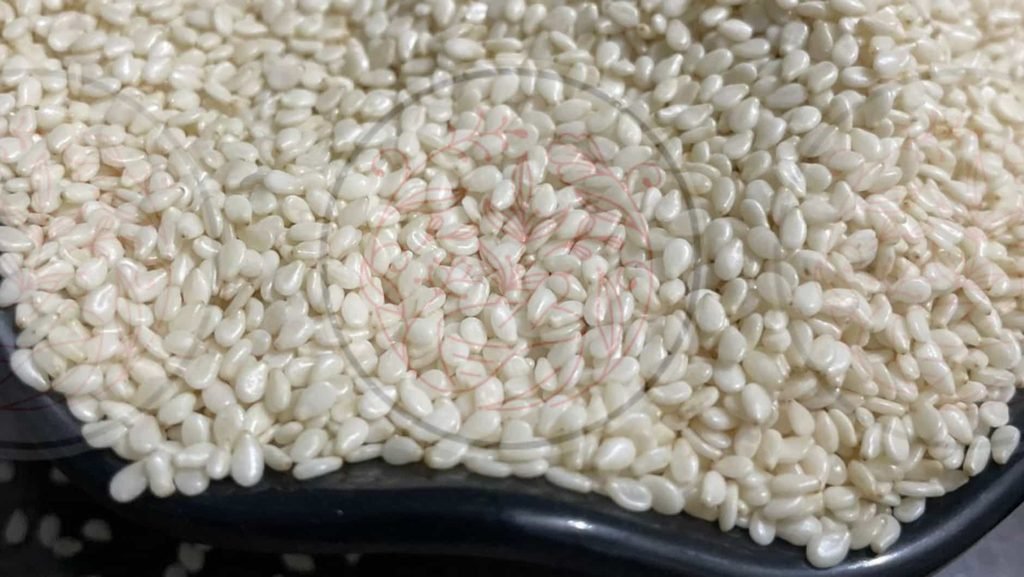
Why do the buyers who book early always seem to get the better lots? 🤔 It’s not luck, and it’s not some secret handshake happening behind closed warehouse doors. It’s just timing, and once you see how the sesame calendar actually works, the pattern becomes almost too obvious to ignore. The buyers who reach out before the crop peaks get first pick of the cleanest, best graded lots, they get more attentive communication because the exporter isn’t juggling forty urgent requests at once, and they get room to actually negotiate terms instead of accepting whatever’s left over. The buyers who wait until October, once everyone else has already seen the same trade headlines and started calling around, are the ones stuck comparing whatever remains.
So let’s talk about how this actually works in practice. Not the vague “book early!” advice you see plastered across every trade blog, but the real mechanics. What happens between harvest and your warehouse door, what specifications you should nail down before you commit to anything, what paperwork you should be asking for before a single bag gets loaded, and the mistakes that quietly cost buyers their best sourcing window every single year.
What actually happens between harvest and your warehouse 📦
Pakistan’s sesame harvest lands early August through September, and this window isn’t a soft suggestion, it’s a genuine agricultural clock that the entire trade calendar runs on. Once the crop starts coming in, it doesn’t all arrive processed and export ready on day one. Clean, sorted, moisture tested lots become available on a rolling basis as harvest progresses through the season, which means the earliest lots off the line are often the freshest and most consistent, before later batches start blending in mixed field conditions or slightly higher moisture from later cutting.
This is exactly why a new crop sesame booking Pakistan conversation started in July or early August, ahead of the physical harvest, tends to land buyers a spot at the front of that rolling availability line rather than the back of it. You’re not booking a mystery. You’re booking a relationship and a production slot, and exporters naturally prioritize the buyers who committed early, communicated clearly, and made the process easy on both sides.
👉 The honest version of “book early”: you’re not beating the harvest calendar, you’re positioning yourself at the front of it. The crop still needs to grow and get cut on its own schedule. What changes is where you land in the queue once it does.
If you’re the kind of buyer who prefers to book sesame seeds early Pakistan rather than scramble later, the practical move is reaching out a few weeks before the harvest window opens, getting your specifications on record, and confirming quantity expectations so the exporter can plan your allocation into the very first processing runs.
The five specs to lock in before you commit 📋
Here’s where a lot of buyers accidentally shoot themselves in the foot. They rush to place a sesame seed pre-harvest order without pinning down exactly what they’re ordering, and then they’re surprised when the lot that arrives doesn’t quite match what they pictured. Locking in specifications upfront isn’t bureaucratic overkill, it’s the single easiest way to avoid a mismatched shipment months later. Here’s the checklist that actually matters.
| Specification | Why it matters |
|---|---|
| Oil content target | Critical for oil pressing buyers, since even small percentage differences affect crush yield and processing economics |
| Moisture ceiling | Higher moisture risks spoilage and mold during transit, so confirming a maximum percentage upfront protects shelf life |
| Foreign matter percentage | Determines how much additional cleaning your facility needs to do before processing, which affects your own costs |
| Hulled vs unhulled | Completely different end uses, hulled suits tahini and confectionery, unhulled suits oil pressing and certain bakery applications |
| Color grade | Natural white, hulled white, and black sesame carry different market positioning and price points, so this should never be assumed |
Get these five confirmed in writing before you commit to a quantity, and you eliminate the vast majority of “this isn’t quite what I expected” conversations that otherwise happen after the container is already at sea.
What documentation to request before shipment 📄
This is the part buyers skip when they’re in a hurry, and it’s almost always the part they regret skipping. Before your shipment ever leaves origin, you should be requesting a sample based certificate of analysis, meaning lab results run on an actual sample from your specific lot, not a generic template document reused across every buyer. You should also get written price and quantity confirmation, plain and simple, an email or formal document that states exactly what you’re paying for exactly how much product. It sounds obvious, but verbal understandings have a funny way of getting fuzzy once a shipment is already in transit.
Given the increased scrutiny sesame is facing in markets like the EU around contamination testing, it’s also worth explicitly confirming Ethylene Oxide free status and Salmonella testing results before shipment, not after your goods have already cleared customs somewhere and a problem surfaces downstream. A sesame seed contract booking exporter who can produce this documentation without hesitation, before you’ve even paid a deposit, is telling you something important about how their operation runs.
Have questions about specs, documentation, or booking your allocation for this year’s harvest? Learn more here and get answers directly rather than guessing.
The mistakes worth naming plainly. Waiting until the crop has already moved through its best availability window and then wondering why the remaining lots feel inconsistent. Failing to specify grade requirements upfront and receiving a shipment that technically matches “sesame seed” but not what your production line actually needs. And skipping documentation requests until after the goods have shipped, which turns a simple confirmation into a stressful scramble if anything doesn’t match expectations.
The exporter ready to move on day one of the new crop 🚀
This year’s booking decision carries a little more weight than usual, and it’s worth being upfront about why. Verified trade data shows China’s demand for Pakistani sesame surging well ahead of this season’s new crop even fully arriving, which means the pool of premium, early availability lots is going to be more competitive than a typical year. Buyers who delay aren’t just risking a slightly later shipment, they’re risking having to settle for whatever’s left once the strongest demand has already been served.
This is exactly the kind of season where working with a secure sesame supply Pakistan 2026 partner that already has testing infrastructure and documentation processes built in from day one makes the difference between a smooth booking and a stressful one. Harmain Global’s export program is built around per batch lab verification, Halal certification, and Ethylene Oxide free declarations that are ready before a buyer even asks, which means the conversation can move from inquiry to confirmed specification and quantity quickly, without sacrificing the documentation quality that serious buyers need.
If you’re comparing options and want a reliable sesame seed exporter for booking that treats specification confirmation and lab testing as standard practice rather than an afterthought, that infrastructure is worth weighing heavily this season. And if your priority is working with a verified sesame seed supplier Pakistan that can actually back its documentation with per container lab results rather than a generic certificate, you can check this out before finalizing your sourcing plan for the year.
This piece is the direct follow up to Harmain’s recent look at Pakistan’s sesame export surge to China, and pairs well with the earlier deep dive on hulled versus unhulled specifications for anyone still finalizing which grade fits their production line.
Ready to place your bulk sesame seed order new crop before allocation tightens?
The team at Harmain Global can walk you through current specification options, documentation, and available booking windows for the 2026 harvest. Reach out through the contact page to start the conversation, or explore the full product range at HarmainGlobal.com. You can also browse everything the company exports at https://harmainglobal.com as a starting point.
Frequently Asked Questions
When is the best time to book new crop sesame seed from Pakistan?
Reaching out a few weeks before the harvest window opens, which runs early August through September, positions buyers at the front of the rolling availability line as clean, processed lots start coming through.
What specifications should I confirm before booking a sesame seed order?
Buyers should lock in oil content target, moisture ceiling, foreign matter percentage, hulled versus unhulled requirement, and color grade before committing to a quantity.
What documentation should I request before a sesame shipment ships?
Request a sample based certificate of analysis specific to your lot, written price and quantity confirmation, and confirmation of Ethylene Oxide free and Salmonella testing status.
What is the difference in booking hulled versus unhulled sesame seed?
Hulled sesame typically suits tahini and confectionery applications, while unhulled sesame suits oil pressing and certain bakery uses, so this should be specified clearly before ordering.
What moisture and oil content should new crop sesame seed meet?
Target moisture and oil content depend on your intended use, particularly for oil pressing buyers, which is why confirming these figures directly with your exporter before booking matters more than relying on general assumptions.
What mistakes do buyers commonly make when booking sesame seed too late?
Common mistakes include waiting until the best availability window has passed, failing to specify grade requirements upfront, and not confirming documentation requirements before the shipment leaves origin.
Can I request a sample based certificate of analysis before committing to an order?
Yes, buyers should request lab results run on an actual sample from their specific lot rather than a generic template document before finalizing a booking.
What is the typical timeline between sesame harvest and shipment availability?
Since the harvest lands early August through September, clean and processed export ready lots become available on a rolling basis as the season progresses, rather than all at once.